
Autor
Coach de desempeño de equipos en Montreal | Destacado
Una coach de Montreal está sacudiendo a los equipos
Coaching de rendimiento de equipos en Montreal
A continuación, una entrevista entre MontrealTips y Melissa Dawn, fundadora de CEO of Your Life. Melissa es Leadership and Team Performance Coach con sede en Montreal. Trabaja con personas, equipos y organizaciones para ayudarles a descubrir sus fortalezas y valores únicos y a aprovechar ese poder innato para llevarse a sí mismos al siguiente nivel. Su organización de coaching, CEO of Your Life, fue nombrada recientemente por Hubspot como uno de los mejores servicios de coaching.MTLTips: ¡Qué gusto tenerte hoy con nosotros, Melissa!
Melissa Dawn: ¡Gracias! Es un gusto estar aquí.
¿Qué hace un Team Performance Coach?
MTLTips: Ahora, tú eres Leadership Coach, algo que creo que mucha gente conoce, pero también eres Team Performance Coach y creo que eso es nuevo para muchas personas. ¿Nos puedes contar qué significa?Melissa Dawn: So, to understand Team Performance Coaching, the first thing to understand is that teams - and in terms of my coaching I’m talking about business and corporate teams of all sizes, levels and industries - each team functions as a system. That system has its own values, strengths, challenges and unwritten rules that govern everything from how the team approaches problems, to how they view management, to how they interact with clients, and so on. The system is powerful and often the people within the system and those around them are not even fully aware of that system.MTLTips: Si no son conscientes... o sea, cuando dices "sistema", ¿no te refieres a procesos documentados o a la cultura?
Melissa Dawn: Cultura, sí, pero "documentados", rara vez. O al menos no del todo, y los aspectos no documentados suelen ser los más poderosos. Lo que quiero decir con "sistema" es ese organismo casi vivo, que respira y que surge de la combinación de distintas personalidades, de los estilos y enfoques de liderazgo, del entorno de trabajo en general, de la historia del equipo, de cómo se formó, de cómo encaja en el ecosistema de la organización, de los desafíos que enfrenta ahora o que ha enfrentado en el pasado... todos estos elementos se juntan para crear el sistema del equipo. Entonces, lo que el equipo ha vivido en el pasado, por ejemplo, influye en cómo enfrenta los obstáculos en el presente, esté o no documentado ese enfoque como un proceso oficial.

Melissa Dawn: When clients come to me they’re almost always in a sort of stuck feeling, or they feel like they’re running up against the same challenges over and over again. They want to move forward, but every new process they put in place or approach they try keeps butting up against the same issues and the status quo is maintained. Whatever those issues may be - lack of engagement, conflict within the team, people just not wanting to try new things, goals or objectives not clearly communicated or understood, negativity, lack of motivation… when you continually get held back by the same issue or assortment of issues, it actually comes down to the system. This is a characteristic of the system that has been learned and has grown with the team. It’s a part of the team. In this case, the issue can’t be fixed with a new process. We have to get to the root of how it’s thriving so we can cut off that negativity and grow the team in a stronger direction.MTLTips: Tiene mucho sentido, pero también... ¿cómo es eso en la práctica? ¿Cuál es el proceso? ¡Me imagino sesiones de terapia grupal o algo así! (risas)
Melissa Dawn: (laughs) Not quite, but there certainly is a level of introspection that takes place. Believe it or not, there are quantitative assessments involved. I really do believe that what gets measured, gets managed. That’s a fundamental aspect of Team Performance Coaching. The assessments I use have been designed and perfected over the years by top coaches, business leaders, coaching institutions and yes, even some input from therapists. We have to remember that, ultimately, we’re working with humans. Human emotions, human drives, human instincts. So there is a great deal of compassion involved in the process, but also, these assessments that take real measurements of the current status of the team - elements like productivity, engagement, employee satisfaction, leadership effectiveness, collaboration, etc. - these assessments are what start the deep dive into the coaching process. They give a clear picture of the current team system and a benchmark from which to measure progress. From there, we identify the main challenges of the team but, most importantly, we identify the unique strengths - strengths of the team itself and strengths of the individual members. These strengths give us something to grow from.

Crecimiento en el rendimiento del equipo
MTLTips: Esa es la segunda vez que usas la palabra "crecer". Supongo que el crecimiento es una parte importante de este proceso, ¿no?Melissa Dawn: A huge part! However the team functions today, it grew that way because certain things were fed - ideas, beliefs, habits, etc. Just as negative elements can be fueled and grown, positive elements can, too. So, a key aspect of Team Performance Coaching is identifying those amazing opportunities for growth. It’s not just about getting rid of the negativity or the undesirable habits. It’s about feeding the strengths of the team so that the best parts of the team become stronger, confidence and engagement grow, and collaboration and creative problem solving become a natural part of the evolving team system. Now, a lot of teams struggle with motivation. What motivates people more than seeing the best parts of themselves or their teams grow even stronger? We focus on growing these strengths because that’s where the greatest value lies, but also because it fuels motivation, engagement and productivity like nothing else.MTLTips: Suena increíble e incluso inspirador, pero ¿cómo logras realmente que la gente haga esto? Mencionaste antes que la gente no quiere probar cosas nuevas. Todo esto suena... muy nuevo. ¿No volverán todos a sus viejos hábitos?

MD: Tiene que haber un deseo de cambiar, claro. Pero no tiene que ser grande al principio. Otro elemento clave del Team Performance Coaching es guiar a las personas para que tengan las conversaciones difíciles que hay que tener. Creo que todos podemos entenderlo. Esas conversaciones que, si pudiéramos tenerlas abiertamente y sin juzgar, con todos manteniendo la calma y hablando con respeto y compasión, realmente podrían cambiar las cosas para el equipo y abrir posibilidades.MTLTips: ¡Ah sí, eso lo entiendo perfectamente!
MD: Pero ¿por dónde se empieza, no? ¿Cómo va a reaccionar todo el mundo si abro de golpe esa lata de gusanos que todos hemos estado esquivando de puntillas?MTLTips: ¡Exacto!
Melissa Dawn: This is where the right coach can have a huge impact. Because having these conversations is not a skill most of us have. When it comes down to it, most of us just weren’t raised that way! We’re raised or conditioned in some way to avoid these conversations completely, but all that does is establish more and more bottlenecks. The right coach will help people learn techniques to approach and guide these conversations in a way that honours the human on the other side of the table, but also holds people accountable - not in a “this is your fault” way, but in a “let’s dig into this together” way. What I’ve found is that all you need is one person to take that first courageous step. One person to really embrace the techniques, embrace the mindset, embrace the challenge and step into it. When someone does that, it has this amazing domino effect! It’s like it suddenly gives other people permission to start speaking more openly and honestly. Really speaking from the heart.

Melissa Dawn: Cuando pensamos en un sistema de equipo atrapado en hábitos negativos o limitantes, se gasta mucha energía en eso. Ya sea tratar de mantener las apariencias, esquivar personalidades difíciles, evitar hablar, el miedo al cambio, los conflictos con otros miembros del equipo, la falta de claridad en los objetivos... sea lo que sea, le quita mucha energía a las personas de tu equipo. Cuando un equipo logra superar esos desafíos y empieza a desarrollar sus fortalezas, el rendimiento se dispara. Toda esa energía que antes se desperdiciaba en áreas improductivas ahora puede dirigirse al verdadero trabajo del equipo: colaborar para cumplir objetivos, inspirar la innovación y superar desafíos. Y así como una sola persona que da ese primer paso puede provocar un efecto dominó en los demás, el equipo que da estos pasos en conjunto provoca un efecto dominó en toda la organización. Mencionamos la cultura antes. Se trata de cocrear una cultura de confianza, respeto y valentía para hablar abiertamente de las cosas en lugar de dejar que se conviertan en obstáculos. Cuando logras eso, ya sea como equipo, como persona o como organización, el rendimiento sube de forma natural cada vez más alto. La gente se siente bien con lo que hace y con el entorno en el que lo hace, está más feliz de hacerlo, se siente desafiada de la mejor manera y está entusiasmada con lo que puede lograr.
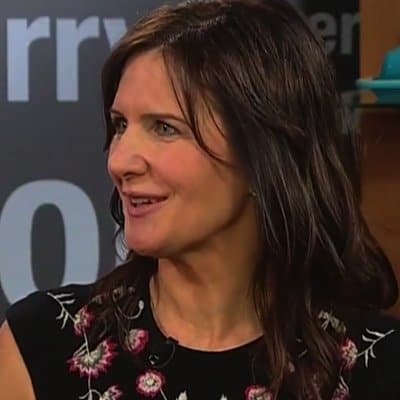
El proceso del Team Performance Coaching
MTLTips: O sea que claramente esto no pasa de la noche a la mañana.Melissa Dawn: No. Definitivamente requiere dedicación y perseverancia, pero la buena noticia es que los primeros pasos realmente empiezan a abrir tu perspectiva. Empiezas a ver de inmediato lo que es posible y eso es emocionante, tanto a nivel personal como de equipo. Y como mencioné antes, eso es muy poderoso en términos de motivación. Esos primeros pasos alimentan los siguientes, y así sucesivamente. Con frecuencia doy talleres puntuales sobre esto, y los disfruto mucho. Es increíble ver ese "clic" en alguien. Esa chispa en los ojos cuando empieza a entenderlo y se entusiasma con su propio potencial. Pero lo que más amo es cuando puedo hacer un programa de coaching completo o un seguimiento después de un taller, porque ahí tengo la oportunidad de ser testigo, y parte fundamental, de un cambio real. He tenido una larga carrera. Casi dos décadas en distintos puestos e industrias de marketing y desarrollo de negocios, incluidos varios años como VP de marketing. Así que he sido miembro y líder de equipos muy variados. Sé cómo un equipo sólido puede elevar a toda una organización y sé cómo un equipo en dificultades puede hacer lo contrario. Lo que de verdad me emociona ahora es saber cómo ayudar a quienes están en dificultades, y es increíble ver el impacto que eso tiene en toda la organización.MTLTips: Bueno, creo que eso nos deja con una última pregunta... ¿cómo puede la gente trabajar contigo?
Melissa Dawn: ¡Esa es la parte fácil! Toda la información sobre los distintos talleres y programas de coaching que ofrezco está en mi sitio web, ceoofyour.life. La mayoría usa el formulario de contacto de mi sitio para pedir más información o consultar disponibilidad, pero también pueden escribirme directamente a joyful@melissadawn.ca.MTLTips: Muchas gracias, Melissa. Fue un gusto conversar contigo y conocer el Team Performance Coaching.
Melissa Dawn: ¡Gracias a TI!
Enlaces en este artículo
- Leadership and Team Performance Coach ceoofyour.life
Compartir