Empoderamiento femenino
Coach de liderazgo consciente en Montreal
El liderazgo consciente podría ser la próxima gran evolución del liderazgo empresarial y del mercado global, y Canadá está en una posición única para tomar la delantera en este nuevo camino. En Montreal, el liderazgo consciente ya lo practican o exploran muchas organizaciones. 
¿Qué es el liderazgo consciente?
To understand what it is, we need to understand what it is responding to. For a long time, leadership was about command-and-control. You were the boss and your job was to get people to do what you told them to do. It makes a certain sense. You are the boss. You decide what’s best for the team or the company, you tell your employees what to do, and they should do it. Right? Well, it turns out, that isn’t very motivating or engaging for employees. It also doesn’t allow much room for creativity, innovation, out-of-the-box thinking, designing new solutions and all those great qualities and skills that organizations need in order to grow and succeed. Conscious leadership is a leadership movement in response to that. The aim is to shift our leadership approach so that the focus is on creating cultures of growth - growth of individuals, teams and the overall organization - where employees are highly engaged, fulfilled and dedicated to bringing their best selves to the work that they do.¿Por qué las empresas canadienses deberían adoptar el liderazgo consciente?
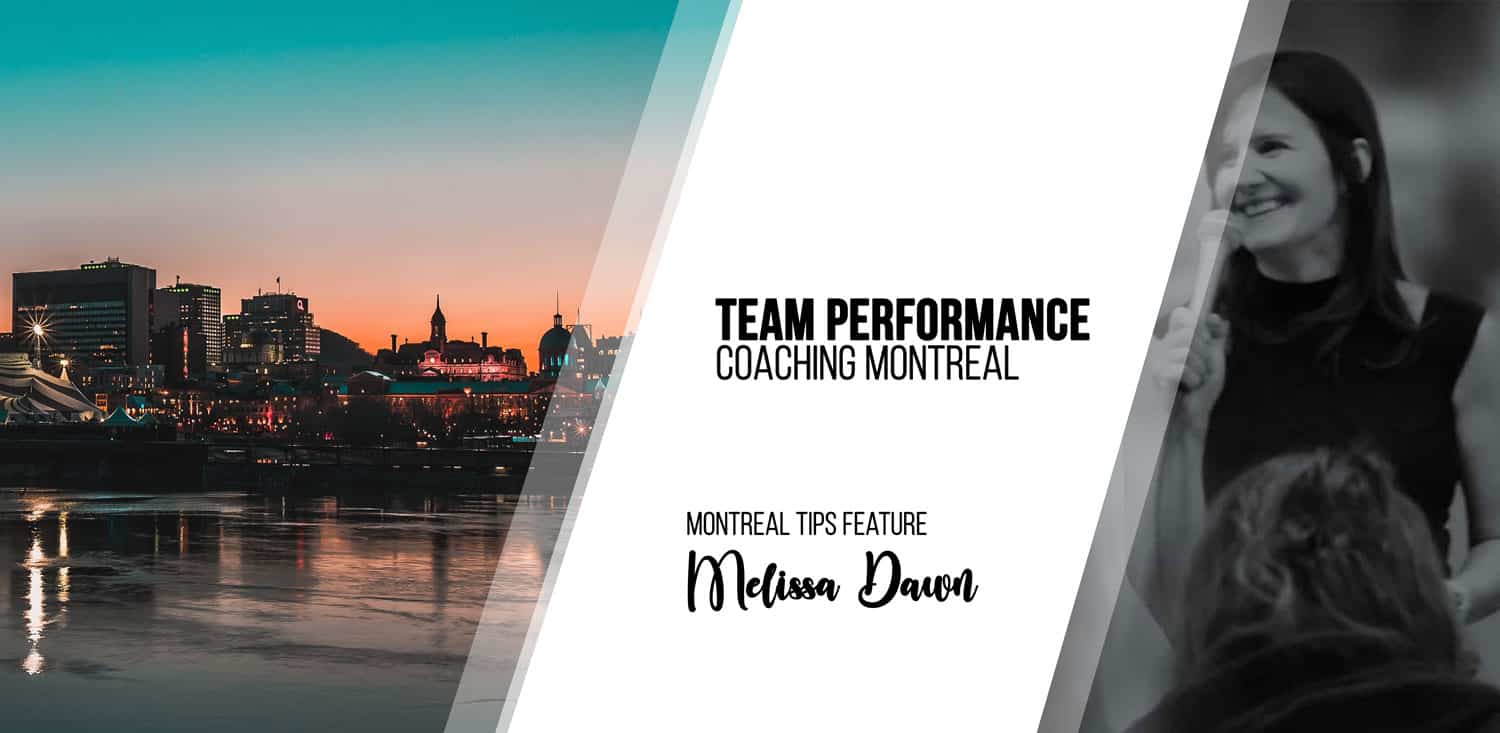
Melissa Dawn es coach de liderazgo consciente aquí en Montreal y fundadora de los servicios de coaching CEO of Your Life. Trabaja con individuos, equipos y organizaciones para desarrollar su liderazgo y ayudarlos a evolucionar.Según Melissa, un líder consciente es alguien que:
- Alinea la estrategia, la toma de decisiones, la contratación y todas las demás prácticas del negocio con el propósito, la visión, la cultura y los valores de la organización;
- Busca nuevos miembros del equipo cuyos talentos y valores estén alineados con los de la organización y aporten fortaleza al equipo;
- Busca activamente las fortalezas y talentos únicos de los actuales miembros del equipo y los ayuda a sacarlos a la luz;
- No evita las conversaciones difíciles, sino que las asume como oportunidades para aprender, superar desafíos y fortalecer las relaciones interpersonales;
- Busca cultivar culturas de confianza, integridad, responsabilidad y apertura;
- Trabaja de forma continua en su propio desarrollo personal y profesional;
- Prioriza el desarrollo personal y profesional de quienes lo rodean;
- Sabe combinar lo práctico de hacer que las cosas se hagan con compasión y cuidado por las personas que hacen el trabajo, para que tanto el trabajo como las personas avancen con éxito.
«En su libro Conscious Capitalism, John Mackay afirma: “La calidad de nuestros líderes afecta la calidad de nuestras vidas”».We all know this to be true,” says Melissa. “We’ve all experienced the stress, frustration and even anger that can result from ineffective or toxic leadership, or even just a culture where we don’t feel valued as whole people, or free to just bring the best parts of ourselves out at work. However, the opposite is also true. Really great leaders - leaders who value others, uplift them, encourage them forward - have a truly positive impact on our wellbeing and quality of life. It makes us better people and better at our jobs. And that matters to the organization because it’s great people who help businesses succeed. As a leader you’re in a position to bring out the greatness in others and conscious leadership is a powerful way to do that.
“When it comes down to it, conscious leadership is about co-creating with employees, teams, management, clients, suppliers, communities, stakeholders and so on. It’s about creating workplace cultures where people feel comfortable being themselves, which makes them happier, more engaged, more productive, more collaborative… all of which we know leads to higher ROIs. And finally, it’s about keeping a mindset of what is best for the general good of the people and the community. When you put conscious effort in your employees and the people around you, you build genuine trust and a reputation for integrity that people - customers included - want to support.”

¿Cuándo necesita una empresa liderazgo consciente?
Le preguntamos a Melissa qué tipo de problemas puede ayudar a resolver el liderazgo consciente.Nos dio varios ejemplos de en qué puede ayudar, tanto al líder individual como a la organización:
- A feeling of being stuck - like you need to move forward or change direction, but you just can’t see how;
- Problemas de conducta como actitud defensiva, procrastinación, sentimientos de hostilidad, agresividad pasiva, culpar a otros, etc.;
- No cumplir objetivos de forma constante o tener dificultad para aclararlos;
- Atravesar transiciones;
- Motivar a empleados o compañeros de equipo;
- Encontrar y retener al mejor talento;
- Buscar una ventaja en el mercado laboral de los millennials;
- Problemas interpersonales o dificultad para comunicarse con eficacia.
«Las conversaciones difíciles. ¡Todos las tenemos y todos las conocemos! Son esas conversaciones que sabemos que, si pudiéramos tenerlas con apertura, honestidad, sin juicio ni miedo, todos avanzaríamos con más facilidad y nos entenderíamos mejor».
¿Cómo empezar con el liderazgo consciente?
In Montreal, conscious leadership coaching is just starting to take hold with some business and leadership coaches training in this specific branch of leadership coaching. Montreal has always had a very forward-thinking business community, so it’s no surprise that local organizations are open to the benefits of conscious leadership. If you’d like to get started on your own or look into adopting conscious leadership within your organization, you could start by reading up on case studies and other resources, but one of the best ways to really dive in is to get a conversation started with a specialized coach like Melissa Dawn of CEO of Your Life.Enlaces en este artículo
- Conscious leadership ceoofyour.life
Compartir