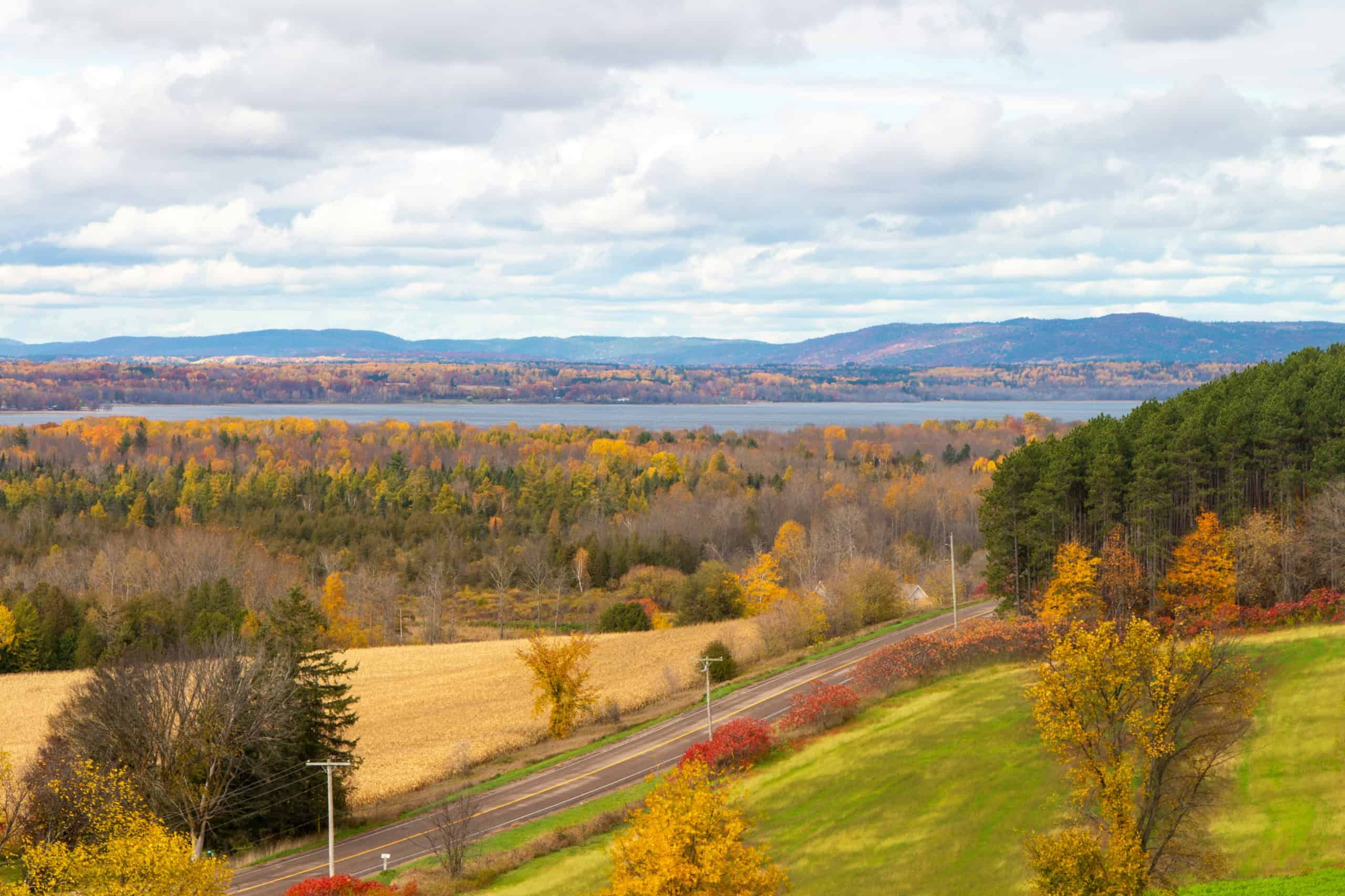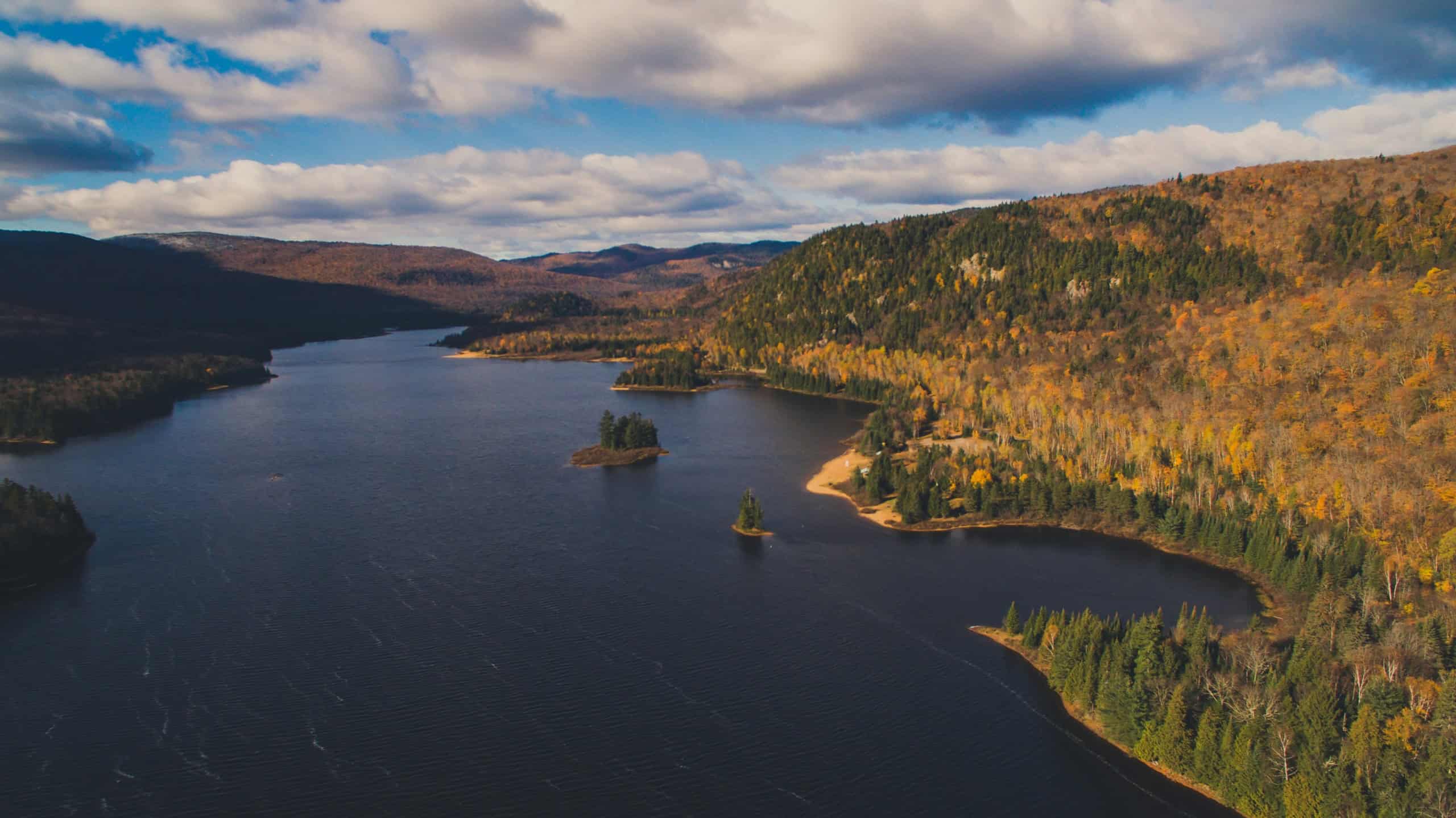
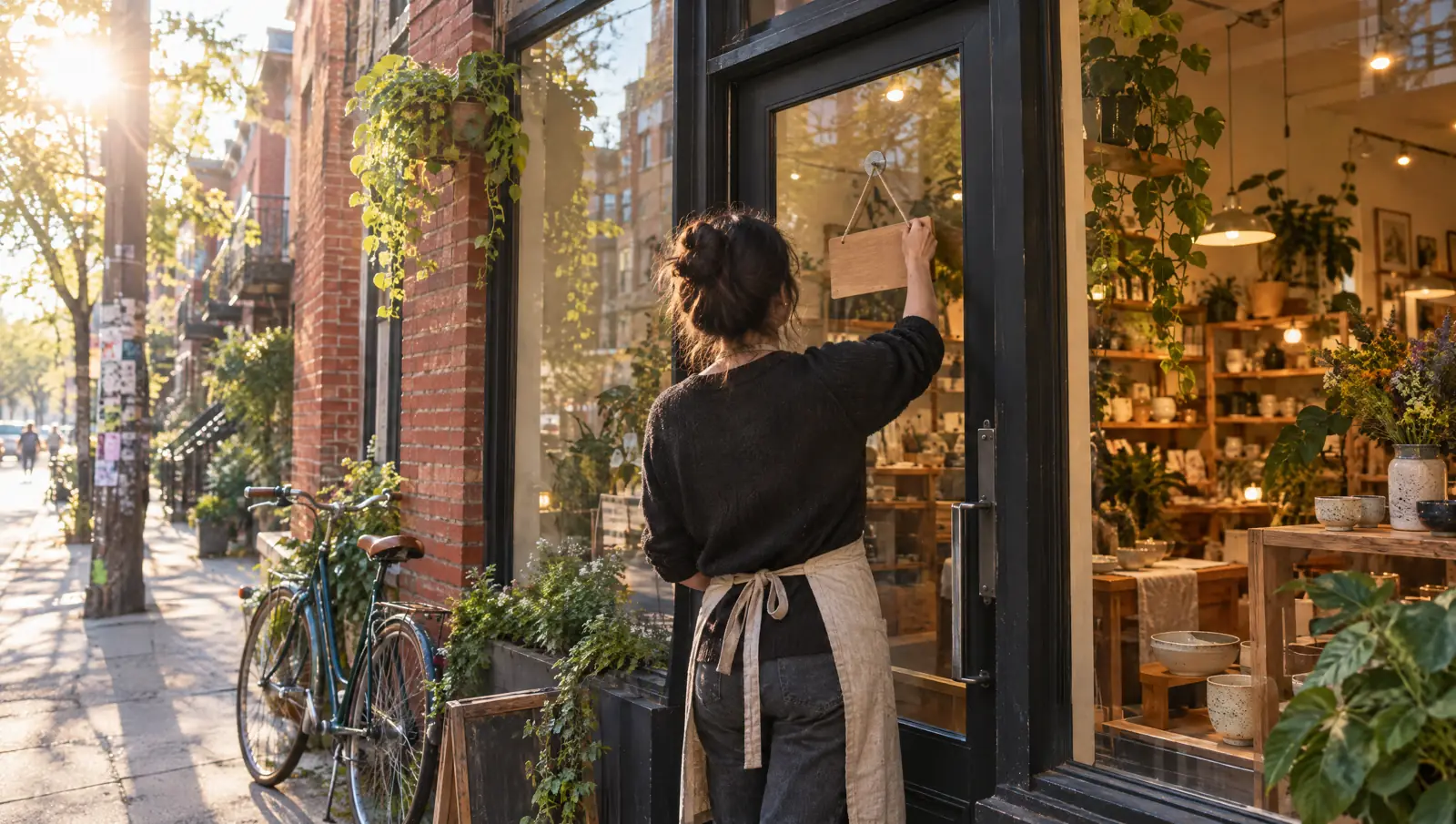
Fall trees in Montreal

The story of Québec begins long before the city was officially founded. Its strategic location along the St. Lawrence River made it a natural meeting point, trading hub, and cultural crossroads. Over the centuries, it evolved from a fortified settlement into the heart of New France and one of the most historically significant cities in North America.

Below is a clear and accessible overview of the key events that shaped the founding and early development of Québec.


Early Explorations Before the Founding

Long before Québec City existed, European explorers recognized the importance of the region.

1535 — Jacques Cartier arrives in Stadacona (present-day Québec City) during his exploration of the St. Lawrence River.
1541 — France’s first attempt at settlement, Charlesbourg-Royal near Cap-Rouge, is established but quickly collapses due to harsh conditions and conflict.

These early efforts demonstrate both the promise of the region and the immense challenges that awaited future settlers.


The Founding of Québec City (1608)

The true beginning of Québec City came with Samuel de Champlain.

July 3, 1608 — Champlain establishes the Habitation de Québec at Cap-Diamond, a fortified trading post that marks the birth of the city.

The winter that followed proved devastating, with many settlers succumbing to cold, hunger, and disease. Despite this hardship, the settlement endured and slowly expanded.

1616 — Louis Hébert and Marie Rollet arrive as the first permanent settlers. Their work in agriculture helps stabilize and grow the young community.


Growth and Institutional Development (1608–1663)

As the settlement took root, religious, administrative, and social institutions began shaping its identity.

1615 — Récollet missionaries arrive, becoming the first religious order in Québec.
1629–1632 — Québec is temporarily captured by the English but returned to France by the Treaty of Saint-Germain-en-Laye.
1635 — Jesuit missionaries establish the Collège de Québec.
1636 — Governor Charles Huault de Montmagny oversees construction of Notre-Dame de la Paix.
1639 — The Ursulines found a school, and the Augustinians establish Hôtel-Dieu, the city’s first hospital.

The city expands its religious and social footprint:

1647 — Construction of the first Notre-Dame de Québec Cathedral.
1648 — Work begins on Château Saint-Louis, the future administrative hub of New France.

These foundations set the stage for Québec’s transformation into a colonial capital.


Québec Becomes Capital of New France (1663)

A major turning point arrived when France tightened its control over its colonies.

1663 — New France becomes a royal colony under King Louis XIV. Québec is named its capital, and major governing institutions, including the Sovereign Council, are established.

1665–1667 — Intendant Jean Talon and the Carignan-Salières Regiment strengthen defenses, support settlement expansion, build key infrastructure, and help populate the colony with the arrival of the Filles du Roi.

This period marks Québec’s emergence as the political and administrative center of the French colony.


Conflict, Conquest, and the British Era

Over the next century, Québec was shaped by military conflict and shifting imperial power.

1690 — New England forces attempt to capture Québec during King William’s War but fail.
1759 — The Battle of the Plains of Abraham results in British victory and the deaths of generals Wolfe and Montcalm. The defeat leads to the fall of Québec.

1763 — The Treaty of Paris formally cedes New France, including Québec, to Britain.

Despite the transition, the city retains much of its French character:

1774 — The Quebec Act grants religious freedom to Catholics, preserves French civil law, and expands the colony’s boundaries.
1791 — The Constitutional Act divides the region into Upper and Lower Canada, with Québec City becoming the capital of Lower Canada.


Summary Timeline

Year | Event
1608 | Founding of Québec City by Champlain
1616–1663 | Social and religious institutions established
1647–1648 | First cathedral and Château Saint-Louis built
1663 | Québec becomes capital of royal New France
1665–1667 | Talon strengthens defenses and population
1759–1763 | British conquest and Treaty of Paris
1774–1791 | Quebec Act and Constitutional Act reshape governance


In Summary

Québec’s founding story is one of resilience, strategic importance, cultural influence, and political transformation. What began in 1608 as a fortified outpost grew into the center of New France, shaped by missionaries, settlers, soldiers, and administrators. Even after the British takeover, Québec maintained its unique French identity—an identity still visible today in its architecture, institutions, and culture.

Important Historical Sites to Visit in Quebec

Quebec is one of North America’s richest historical regions, blending Indigenous heritage, French and British colonial history, military landmarks, and centuries-old architecture. Whether you’re exploring Quebec City, a UNESCO World Heritage treasure, or venturing beyond the capital, the province offers unforgettable sites that bring its past to life.


Top Historical Sites in Quebec City

1. Historic District of Old Québec (UNESCO World Heritage Site)

Old Québec is the only walled city north of Mexico and a living open-air museum. Walk along stone ramparts, explore gates and bastions, and visit charming districts like Petit-Champlain, Place Royale, and the Upper Town.
Sources:
https://theculturetrip.com/canada/quebec/articles/a-tour-of-quebec-citys-historical-architectural-landmarks
https://www.quebec-cite.com/en/what-to-do-quebec-city/history-heritage

2. Citadelle of Québec

Built between 1820–1850, this star-shaped fortress is Canada’s largest British fortification and still an active military site. It also serves as a residence for the Governor General.
Source: https://en.wikipedia.org/wiki/Citadelle_of_Quebec

3. Plains of Abraham

This vast urban park was the site of the 1759 Battle of Quebec, which shaped the future of Canada. Today it’s a green space for museums, walking paths, and historical interpretation.
Sources:
https://www.thetimes.co.uk/article/why-this-historic-city-offers-the-most-beguiling-break-in-north-america-5lgnc592f
https://montrealtips.com/2022/03/07/top-5-landmarks-to-visit-in-quebec-city/

4. Château Frontenac (National Historic Site)

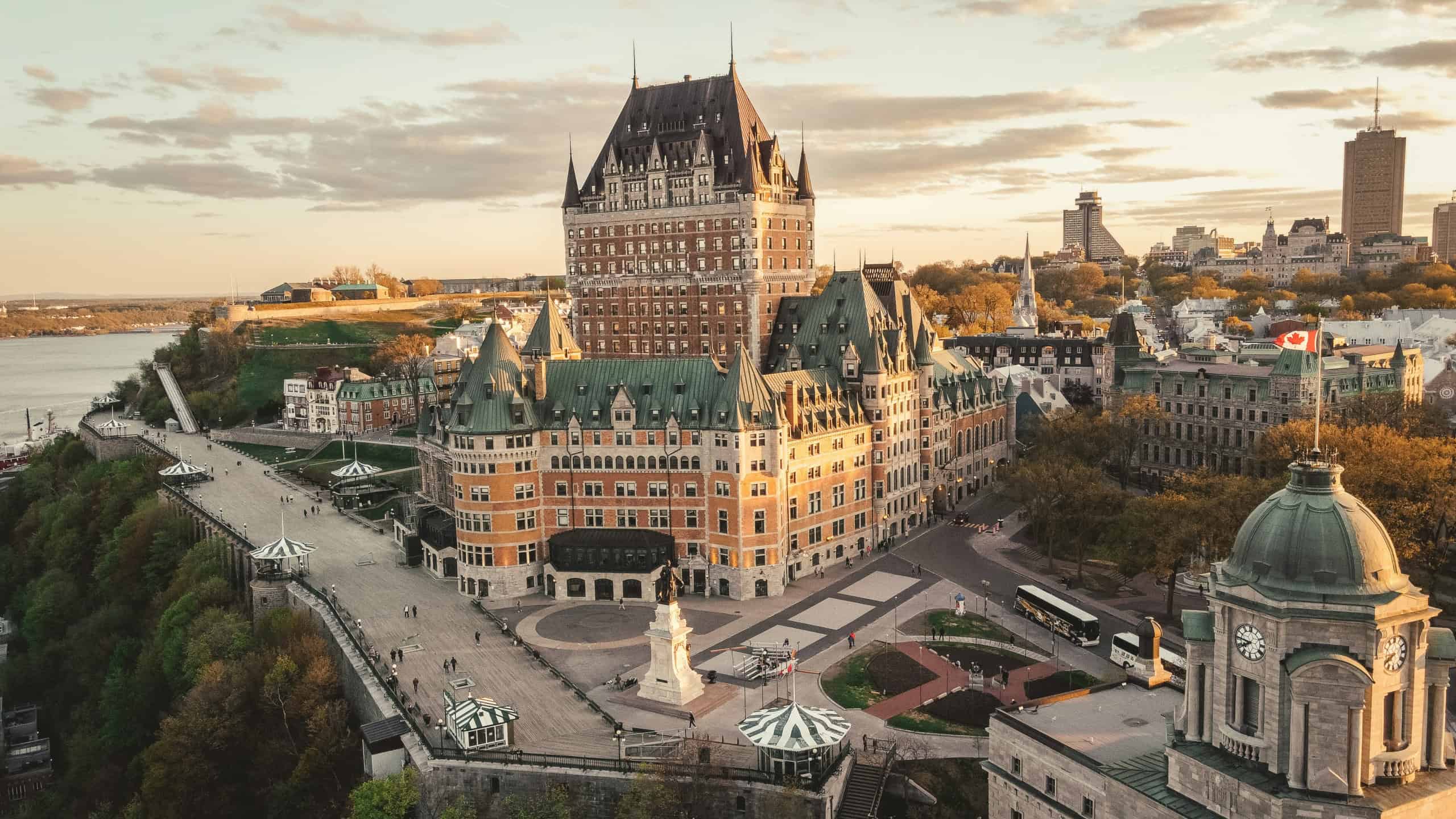
Opened in 1893, Château Frontenac is often called the most photographed hotel in the world. Its Château-style architecture and location above the St. Lawrence River make it an iconic Quebec symbol.
Source: https://en.wikipedia.org/wiki/Ch%C3%A2teau_Frontenac

5. Parliament Building (Hôtel du Parlement)

Built in the Second Empire style (1877–1886), this impressive building houses Quebec’s National Assembly and features 26 bronze statues of historical figures.
Sources:
https://www.quebec-cite.com/en/what-to-do-quebec-city/historic-sites
https://www.foodandwine.com/quebec-city-dining-guide-8783137

6. Notre-Dame de Québec Basilica-Cathedral

Founded in 1647, this is the oldest cathedral in Canada and one of its most significant religious sites. Its crypt contains governors, bishops, and early colonial leaders.
Source: https://en.wikipedia.org/wiki/Cathedral-Basilica_of_Notre-Dame_de_Qu%C3%A9bec

7. Notre-Dame-des-Victoires Church

Built between 1687–1723, this stone church in Place Royale is one of North America’s oldest and stands on the site of Champlain’s original trading post.
Source: https://en.wikipedia.org/wiki/Notre-Dame-des-Victoires_Church

8. Saint-Louis Forts and Châteaux (Archaeological Site)

Beneath Dufferin Terrace near Château Frontenac lie the excavated remains of governors’ residences dating back to Champlain’s era—an extraordinary underground historic site.
Source: https://www.quebec-cite.com/en/what-to-do-quebec-city/hidden-gems-old-quebec

9. Morrin Centre

Once Quebec’s first English-language jail, the building now houses a Victorian library. Visitors can tour the old cells and learn about its more dramatic past.
Sources:
https://discoverytheworld.com/20-historic-sites-in-quebec-to-discover/
https://cityplanet.org/blog/en/canada/iconic-landmarks-must-see-sights-in-quebec-city

10. Maison Jacquet

Dating to around 1675, Maison Jacquet is Quebec City’s oldest surviving private home. Its thick stone walls and colonial details offer an authentic glimpse of early life in New France.
Sources:
https://theculturetrip.com/canada/quebec/articles/a-tour-of-quebec-citys-historical-architectural-landmarks
https://www.authentikcanada.com/en/blog/7-historical-places-in-quebec

11. École des Ursulines

Founded in 1639, this convent school is one of North America’s oldest educational institutions, featuring a historic chapel and museum.
Source: https://en.wikipedia.org/wiki/%C3%89cole_des_Ursulines%2C_Quebec


Historical Sites Beyond Quebec City

12. Grosse-Île and the Irish Memorial (Chaudière-Appalaches)

A moving historical site where a quarantine station operated from 1834–1937. It was a major entry point for immigrants, especially during the Irish Famine. Visitors can explore preserved buildings, trails, and the iconic Celtic cross memorial.
Sources:
https://www.discoverytheworld.com/20-historic-sites-in-quebec-to-discover/
https://www.royalcaribbean.com/guides/top-7-places-to-see-quebecs-historic-buidlings-and-chateaus

13. Fort Saint-Jean (Saint-Jean-sur-Richelieu)

Established in 1666, this fort has been continuously occupied since 1748, serving French, British, and Canadian forces. Today it is part of the Royal Military College Saint-Jean.
Source: https://en.wikipedia.org/wiki/Fort_Saint-Jean_%28Quebec%29


Summary Table

Site Why It Matters
Old Québec UNESCO-protected walled city; colonial architecture
Citadelle of Québec Largest British fortress still in use in North America
Plains of Abraham Pivotal battle site shaping Canadian history
Château Frontenac Iconic and most photographed hotel globally
Parliament Building Political hub with Second Empire architecture
Notre-Dame Cathedral Oldest church in Canada
Notre-Dame-des-Victoires One of the oldest stone churches in North America
Saint-Louis Forts Archaeology revealing governors’ residences
Morrin Centre Historic jail and Victorian library
Maison Jacquet Oldest private home in Quebec City
École des Ursulines 17th-century convent school
Grosse-Île Quarantine island and Irish memorial
Fort Saint-Jean Historic military landmark

Planning Your Visit

  • Start in Old Quebec for the richest concentration of historical sites.

  • Add Citadelle, Plains of Abraham, and Château Frontenac for a foundational understanding of Quebec’s past.

  • Explore underground history at the Saint-Louis Forts.

  • Visit beyond the city to Grosse-Île or Fort Saint-Jean for powerful stories about immigration and military heritage.

Who Founded Montreal? A Clear Look at the Founders of the City

Montreal was founded on May 17, 1642, when a small French missionary group established Ville-Marie, the settlement that would later grow into today’s Montreal. Although Paul de Chomedey, sieur de Maisonneuve, is traditionally credited as the city’s founder, modern research and official recognition now confirm that Jeanne Mance played an equally essential role as a co-founder.
Together, they built the early colony—one through military and civic leadership, the other through medical care, administration, and tactical financial support.

Paul de Chomedey, sieur de Maisonneuve

Who He Was

Maisonneuve was a French nobleman and military officer chosen to lead the expedition sent by the Société Notre-Dame de Montréal, an organization dedicated to creating a missionary settlement in New France.

Key Contributions

  • Led the founding mission of roughly 41 settlers in 1642
  • Established Ville-Marie as a Christian missionary colony
  • Provided military protection and civic leadership in the settlement’s early years
  • Represented the settlement’s spiritual and political vision

Historical Recognition

For centuries, he was considered the sole founder of Montreal, a view still commonly stated in short summaries of the city’s history.

Jeanne Mance — Co-Founder of Montreal

Who She Was

Jeanne Mance was a French lay nurse and humanitarian who played a vital role in the expedition and the survival of the early colony.

Key Contributions

  • Secured major funding for the mission through the Société Notre-Dame de Montréal
  • Co-led the early settlement, managing its finances, supplies, logistics, and welfare
  • Founded the Hôtel-Dieu de Montréal, the first hospital north of Mexico
  • Provided critical medical care to settlers and Indigenous allies
  • Steered the community through crises, including disease, famine, and attacks

Modern Recognition

  • Officially recognized in 2012 by the City of Montreal as a founder of the city.
  • Celebrated in museum exhibitions and ongoing historical research
  • Increasingly, historians and public commemorations emphasize her integral role in the colony’s establishment and acknowledge her influence on Montreal’s development.

The Founding of Ville-Marie

Date of Foundation

May 17, 1642

Purpose of the Settlement

The goal was to establish:
  • A Christian missionary center
  • A community focused on the Virgin Mary.
  • A base for evangelization and humanitarian work

Context

The founding was an element of a broader spiritual project by the Société Notre-Dame de Montréal, combining religious aspiration with settlement efforts.

Who Is Considered the Founder of Montreal Today? Today, the consensus recognizes:

To conclude, how do historians and the city view its founders now?
Modern consensus recognizes:
  • Paul de Chomedey de Maisonneuve as the founding leader and military commander, and
  • Jeanne Mance was a co-founder, administrator, medical pioneer, and financial supporter whose role was vital to the colony’s survival.
Both are now understood as joint founders, each supplying indispensable leadership.

Why Was Montreal Founded Where It Was?

The location was not chosen by chance. The island sat at the confluence of the St. Lawrence and Ottawa rivers, making it a natural crossroads for trade, travel, and communication across the continent. Indigenous peoples had long recognized this strategic value, and French explorers understood it as a gateway into the interior of North America.

For the Société Notre-Dame de Montréal, the location also held spiritual significance — a frontier post where missionaries could reach Indigenous communities and spread Christianity. The combination of geographic advantage and religious purpose made the island the obvious choice for their settlement.


A Brief Timeline of Montreal’s Early History

Year Event
1535 Jacques Cartier becomes the first European to visit the island, then home to the Iroquoian village of Hochelaga
1611 Samuel de Champlain establishes a trading post on the island
1642 Ville-Marie is founded by Maisonneuve and Jeanne Mance
1644 First armed conflict between settlers and Haudenosaunee nations
1657 The Sulpician order arrives and takes over administration of the colony
1672 Ville-Marie is formally laid out as a town with designated streets
1760 British forces take control of Montreal during the Seven Years’ War
1832 Montreal is officially incorporated as a city

Montreal was founded on May 17, 1642, originally as Ville-Marie.
Who founded Montreal? Montreal was co-founded by Paul de Chomedey de Maisonneuve, who served as military commander and civic leader, and Jeanne Mance, who secured the expedition’s funding, managed the colony’s administration, and founded its first hospital.
What was Montreal originally called? The settlement was originally named Ville-Marie, in honor of the Virgin Mary. It was later renamed Montreal, derived from Mont-Royal — the hill at the city’s geographic center.
Why is Jeanne Mance considered a co-founder? Jeanne Mance was officially recognized as a co-founder by the City of Montreal in 2012. Historians credit her with securing the private funding that made the expedition possible, overseeing the colony’s finances and welfare, and founding the Hôtel-Dieu de Montréal. Her inputs were essential to the colony’s survival during its most vulnerable early decades.
Who built the first hospital in Montreal? Jeanne Mance founded the Hôtel-Dieu de Montréal in 1642 — the first hospital north of Mexico and one of the oldest institutions in North America still operating today.
Was Montreal always a French settlement? Ville-Marie was established as a French missionary colony, but the island of Montreal had been occupied by Indigenous peoples well before European contact. The Haudenosaunee and Anishinaabe peoples had deep ties to this territory, and their presence and history are integral to understanding the broader context of the city’s origins.
What happened to Ville-Marie after it was founded? Ville-Marie grew slowly through the late 17th century, facing ongoing hardships including conflict, disease, and harsh winters. Over time, it expanded into a successful trading hub and eventually became the city of Montreal — today one of Canada’s largest cities and a major center of culture, commerce, and education.

Jeanne Mance is widely celebrated in Montreal as a co-founder of the city and the founder of the Hôtel-Dieu hospital, the colony’s first medical institution. For generations her contributions were overshadowed by Paul de Chomedey de Maisonneuve, but today she receives strong public, civic, and institutional recognition. Across monuments, streets, museums, and urban landmarks, her legacy is visible throughout the city.


Official Recognition

Recognized as a Co-Founder of Montreal

In 2012, the City of Montreal officially recognized Jeanne Mance as one of the city’s founders, placing her on equal footing with de Maisonneuve.
Source: https://pacmusee.qc.ca/en/stories-of-montreal/article/jeanne-mance-co-founder-of-montreal/

Canadian Medical Hall of Fame (2021)

Mance was inducted in 2021 for her pioneering work as one of North America’s earliest secular nurses and as a leader in early medical care.
Source: https://www.cdnmedhall.ca/laureates/jeannemance

Bâtisseuse de la Cité (2011)

In 2011, she was honored with the “Builder of the City” award, celebrating her foundational contributions.

Venerable Status (2014)

The Catholic Church declared her Venerable in 2014—a key step toward potential beatification.
Source: https://thecanadianencyclopedia.ca/en/article/jeanne-mance


Monuments, Landmarks & Heritage Sites

Jeanne Mance Monument (1909) — Hôtel-Dieu

Sculpted by Louis-Philippe Hébert, this 1909 monument stands in front of the former Hôtel-Dieu de Montréal on Pine Avenue, showing Mance tending to a wounded settler.
Sources:
https://en.wikipedia.org/wiki/Jeanne_Mance_Monument
https://wanderwomenproject.com/places/jeanne-mance-monument/

Maisonneuve Monument — Place d’Armes

Jeanne Mance appears as one of the bronze figures on the Maisonneuve Monument, shown bandaging a child’s hand—a symbolic acknowledgment integrated into one of Montreal’s most important public sculptures.
Source: https://artpublic.ville.montreal.qc.ca/en/oeuvre/monument-a-paul-de-chomedey-sieur-de-maisonneuve/

Tomb & Musée des Hospitalières

Her remains rest inside the chapel of the Musée des Hospitalières de l’Hôtel-Dieu, where exhibitions highlight her life and medical achievements.
Source: https://museedeshospitalieres.qc.ca/en/activites/jeanne-mance-from-france-to-new-france/


Places Named in Her Honor

Jeanne-Mance Park

A major Montreal park located along Park Avenue facing Mount Royal, offering playgrounds, sports fields, and green spaces.
Source: https://en.wikipedia.org/wiki/Jeanne-Mance_Park

Rue Jeanne-Mance

A central north–south street that crosses downtown and the Quartier des Spectacles.

Jeanne-Mance District

Part of the Plateau-Mont-Royal borough, reflecting her continued presence in Montreal’s urban landscape.

Centre Jeanne-Mance

An organization preserving and promoting her legacy, with a new website launched in 2025.
Source: https://centrejeannemance.com/en/historique-du-centre-jeanne-mance/


Cultural & Educational Legacy

Museum Exhibitions

Ongoing exhibitions at places like the Musée des Hospitalières and Pointe-à-Callière frame Mance not only as a co-founder but as a strategic, compassionate leader whose decisions shaped the colony’s survival.
Source: https://pacmusee.qc.ca/en/stories-of-montreal/article/jeanne-mance-co-founder-of-montreal/

Historical Scholarship

Modern research emphasizes her administrative ability, courage, and medical innovation. She is increasingly seen as central to the founding narrative of Montreal.
Source: https://en.wikipedia.org/wiki/Jeanne_Mance

Community Awareness

Local initiatives, media, and public education—such as CBC Montreal’s explanatory videos—keep her story relevant today.
Source: https://www.facebook.com/CBCMontreal/videos/who-was-jeanne-mance/10153538581801298/


How Montreal Remembers Her Today

  • She is now formally acknowledged as one of the city’s founders.

  • Her name appears on parks, districts, streets, and civic buildings.

  • Her life is honored in monuments, museum exhibitions, and historical research.

  • She is recognized as a pioneer of nursing, healthcare, and social leadership in North America.

  • Public discourse increasingly highlights her as a model of compassion, resilience, and community-building.


Full Source List (Clickable)

https://pacmusee.qc.ca/en/stories-of-montreal/article/jeanne-mance-co-founder-of-montreal/
https://www.cdnmedhall.ca/laureates/jeannemance
https://en.wikipedia.org/wiki/Jeanne_Mance_Monument
https://museedeshospitalieres.qc.ca/en/activites/jeanne-mance-from-france-to-new-france/
https://montrealinpictures.wordpress.com/2012/05/18/project-365-day-139-remembering-jeanne-mance/
https://wanderwomenproject.com/places/jeanne-mance-monument/
https://artpublic.ville.montreal.qc.ca/en/oeuvre/monument-a-paul-de-chomedey-sieur-de-maisonneuve/
https://thecanadianencyclopedia.ca/en/article/jeanne-mance
https://en.wikipedia.org/wiki/Jeanne_Mance
https://centrejeannemance.com/en/historique-du-centre-jeanne-mance/
https://www.facebook.com/CBCMontreal/videos/who-was-jeanne-mance/10153538581801298/
https://en.wikipedia.org/wiki/Jeanne-Mance_Park
https://clicknpark.com/parking-montreal/jeanne-mance-park

Montreal transforms into a magical winter city during the Christmas season, offering families festive markets, dazzling light shows, holiday performances, and classic winter activities. From charming Christmas villages to outdoor skating and theatre for kids, the season is filled with warm, joyful experiences perfect for all ages.


Festive Markets & Christmas Villages

The Great Christmas Market — Quartier des Spectacles

Located at Place des Festivals, this European-inspired outdoor market features artisan cabins, holiday treats, decorations, and a towering illuminated Christmas tree. A perfect spot for festive photos and family strolls.
Starts November 21, 2025.
Source:
https://www.mtl.org/en/experience/montreal-winter-festivals-shine-bright

Montreal Christmas Village — Atwater Market

An enchanting holiday village designed for families, complete with Santa’s Workshop, outdoor shows, animations, and an open-air cinema.
Starts November 27, 2025.
Source:
https://www.quebecvacances.com/en/events/montreal-christmas-village

Le Village de Noël de Montréal-Est

A festive outdoor zone with holiday décor, games, music, crafts, and a gourmet area serving warm treats and hot drinks.
Takes place December 5–7, 2025.
Source:
https://allevents.in/org/le-village-de-no%C3%ABl-de-montr%C3%A9al-est/21288558

Le Festival Noël dans le Parc

A free outdoor festival bringing bonfires, live music, and magical winter ambiance to parks across the city, especially Parterre du Quartier des Spectacles.
Starts December 5, 2025.
Source:
https://www.quebecvacances.com/en/events/le-festival-noel-dans-le-parc

Holiday Market at Locoshop Angus

With more than 100 local artisans, this is a favourite for families looking for unique, locally made gifts, plus Santa meet-and-greets.
Starts November 15, 2025.
Source:
https://cultmtl.com/event/holiday-market-at-locoshop-angus-x-the-lighthouse-children-and-families-2025/


Holiday Shows & Seasonal Performances

The Nutcracker — Les Grands Ballets Canadiens (Place des Arts)

A timeless Christmas tradition performed with live orchestra, perfect for children and adults alike.
Runs starting December 19, 2025.
Source:
https://www.vividseats.com/the-nutcracker-tickets-montreal-place-des-arts—salle-wilfrid-pelletier-12-30-2025–theater-ballet-and-dance/production/5680911

The Nutcracker — Ballet Ouest Montréal

A heartwarming version featuring professional dancers and local children.
Takes place December 6, 2025.
Source:
https://www.lavitrine.com/en/event/ballet-ouest-de-montreal-casse-noisette/6186/1550890

Peter Pan – La comédie musicale

The classic Broadway musical arrives in Quebec for the first time—an ideal Christmas outing for families.
Starts December 26, 2025.
Source:
https://www.tickets.ca/en/events/peter-pan-la-comedie-musicale-montreal-st-denis-theatre-2026-01-03-15h00-tickets

Children’s Theatre — Pain d’épice

A colourful puppet show inspired by The Gingerbread Man, suited for kids ages 3+.
December 14, 2025.
Source:
https://www.lavitrine.com/en/event/pain-depice/12364/1524578

Children’s Show — Santa’s Cold

A playful performance where Santa catches a cold and his elf Snowflake must save Christmas.
December 13, 2025 at Bibliothèque interculturelle.
Source:
https://montreal.ca/en/events/christmas-show-santas-cold-95456


Winter Lights & Holiday Displays

LUMINO — Quartier des Spectacles

Downtown Montreal glows with interactive light installations, projections, and illuminated structures—free and perfect for evening walks.
Starts November 27, 2025.
Source:
https://www.mtl.org/en/experience/celebrate-holidays-in-montreal

Enchanted Worlds — McCord Stewart Museum

Beloved mechanical holiday window displays once shown at Ogilvy—nostalgic and enchanting for young children.
Source:
https://www.mtl.org/en/experience/holidays-cultural-activities-family

Notre-Dame Basilica Light Show

A magical illumination of Montreal’s most stunning interior space—colour, sound, and architecture combine into a breathtaking family experience.
Source:
https://www.mtl.org/en/experience/things-to-do-december


Classic Winter Activities for Families

Ice Skating at Esplanade Tranquille

A central urban rink with skate rentals and occasional DJ nights—an ideal family-friendly stop downtown.
Source:
https://www.mtl.org/en/experience/things-to-do-december

Ice Skating at the Old Port

A scenic rink surrounded by historic architecture and riverfront views.
Source:
https://www.hellotickets.com/en-en/ca/montreal/christmas/sc-99-4564

Tobogganing on Mount Royal

A beloved Montreal winter tradition with safe, dedicated tobogganing hills for all ages.
Source:
https://www.mtlstudentliving.com/blog/montreals-best-christmas-events