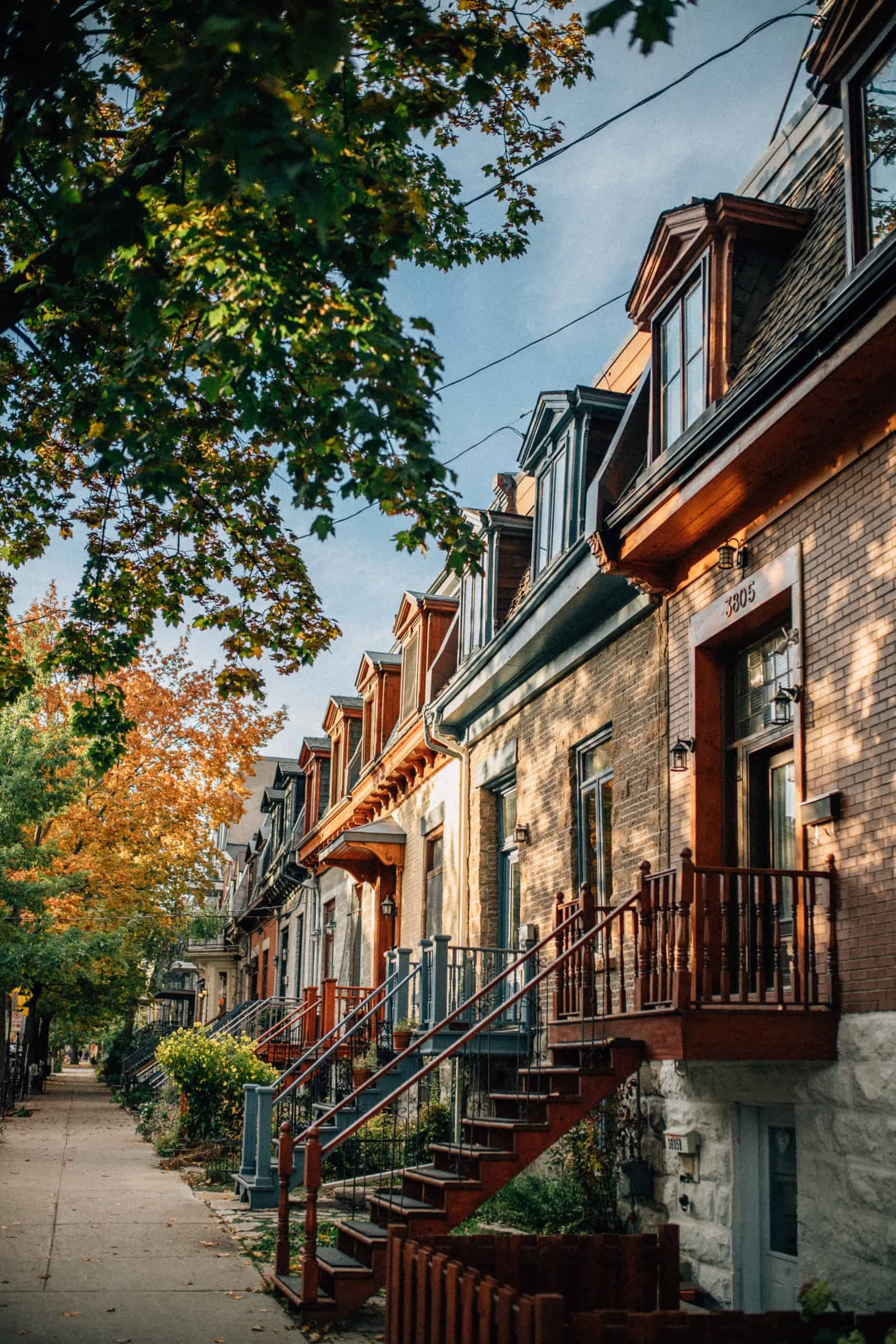
Fall trees in Montreal

Updated: Oct 31, 2025

Montreal’s streets reflect the city’s unique blend of European charm, North American urban life, and multicultural energy. From the cobblestone lanes of Old Montreal to vibrant commercial arteries and summer pedestrian-only boulevards, each street tells a different story.

Here’s a curated overview of the most famous, historic, lively, and walkable streets across Montreal.


Famous & Historic Streets

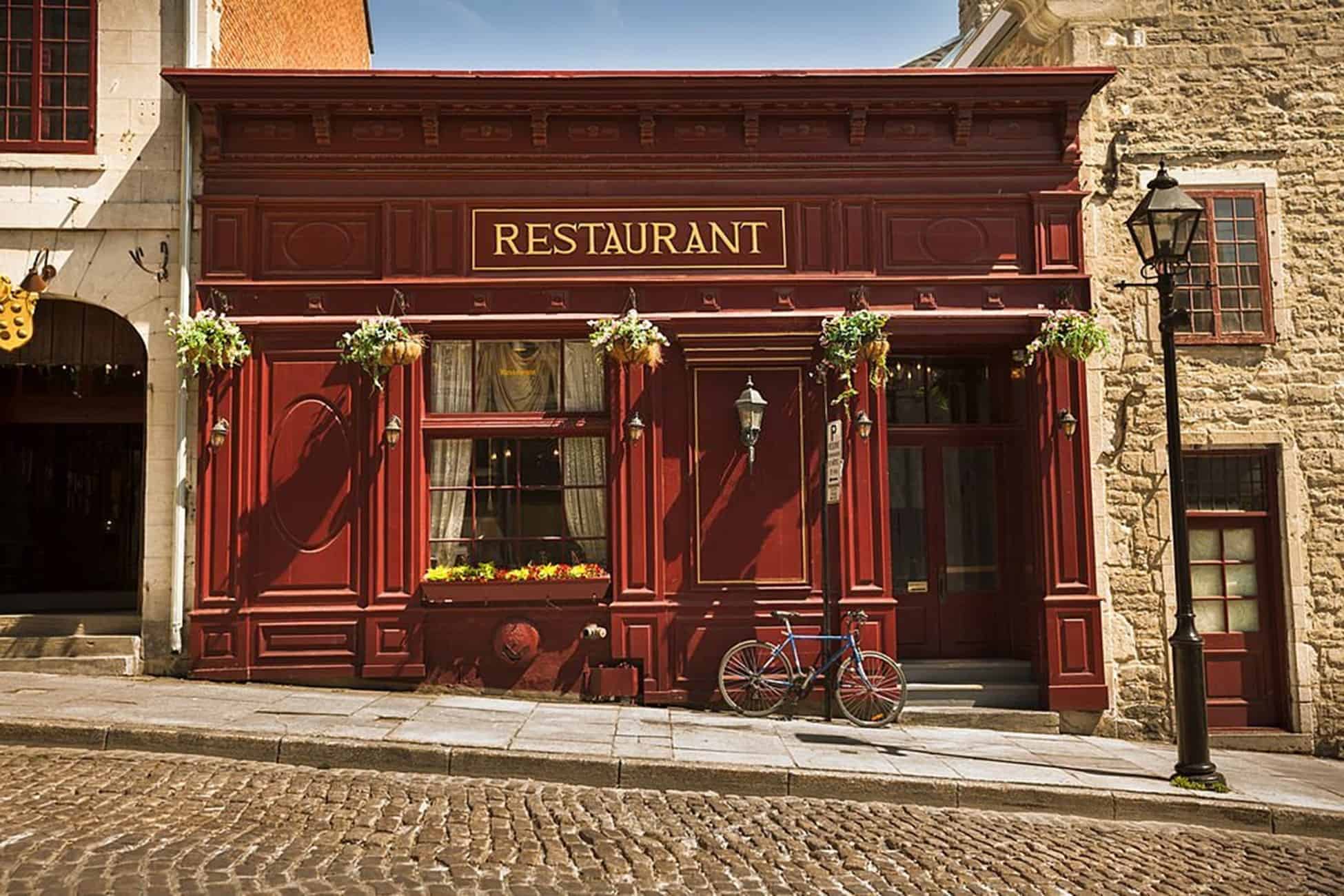
Rue Saint-Paul (Old Montreal)

The oldest and one of the most atmospheric streets in the city.

  • Cobblestone-lined, filled with art galleries, boutiques, and restaurants

  • Located in the heart of Old Montreal

  • Best explored between Rue Saint-Urbain and Rue Saint-Pierre

Sainte-Catherine Street

Montreal’s busiest commercial street.

  • Over 1,200 shops, department stores, and theatres

  • Direct access to Montreal’s Underground City

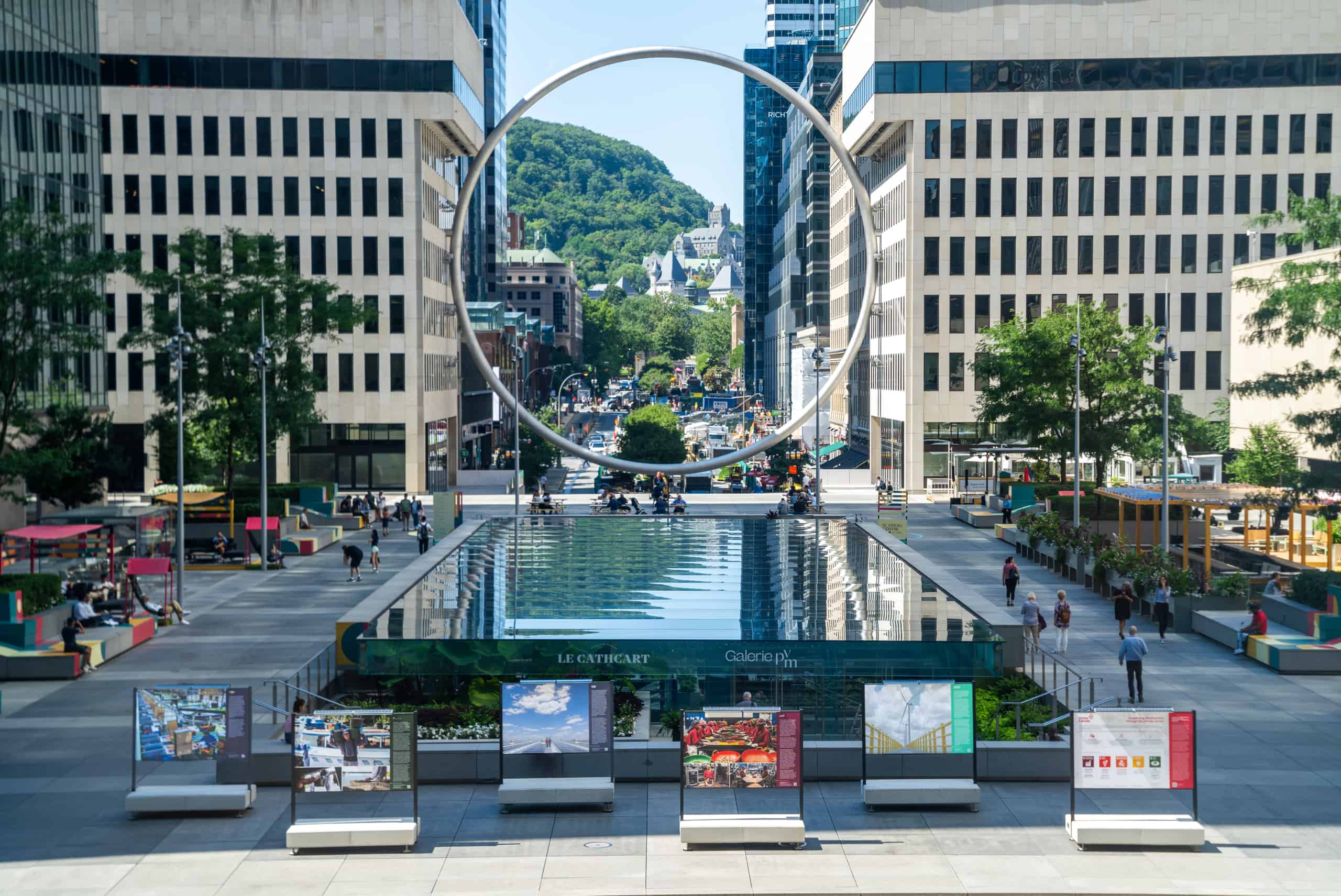
  • Several segments become pedestrian-only in the summer

Saint-Laurent Boulevard (“The Main”)

A major cultural spine dividing the city east–west.

  • Known for its creative energy, nightlife, bars, and eateries

  • Deep immigrant history and a hub for street art

  • Home to parts of the MURAL Festival

Rue Wellington (Verdun)

Once voted one of the coolest streets in the world.

  • Packed with cafés, restaurants, bars, and independent shops

  • Becomes a pedestrian street in summer

  • A popular neighborhood hangout

Avenue du Mont-Royal (Plateau)

The heart of the Plateau neighborhood.

  • Pedestrian-only during summer months

  • Trendy shops, cafés, bars, and local festivals

  • Vibrant, artistic, and quintessentially Montreal


Summer Pedestrian-Only Streets (Rues Piétonnes)

Each summer, Montreal transforms key streets into open, car-free zones filled with terraces, pop-up markets, installations, and public art.

Top Seasonal Pedestrian Streets

Street Summer Zone Neighborhood
Avenue du Mont-Royal Saint-Laurent → Saint-Denis Plateau
Plaza Saint-Hubert Bellechasse → Jean-Talon Rosemont–La Petite-Patrie
Rue Sainte-Catherine East Saint-Hubert → Papineau The Village
Rue Wellington 6e Avenue → Rue Régina Verdun
Rue Bernard Wiseman → Bloomfield Outremont
Rue Prince-Arthur Saint-Laurent → Square Saint-Louis Plateau

These areas become lively hubs with terraces, performances, food stalls, outdoor bars, and cultural events.


Understanding Montreal’s Street Orientation

Montreal’s layout is famously quirky.

1. Streets follow the St. Lawrence River

Most of the grid aligns with the river, which runs northeast–southwest.
Locals, however, refer to directions as if the grid were a standard north–south orientation.

Example:

  • “East” often means northeast

  • “West” often means southwest

Newcomers may find this confusing—but locals navigate effortlessly by landmarks.

2. Mount Royal shapes the grid

The mountain in the center of the city dictates how streets curve, split, or change names.
Example:

  • Côte-des-Neiges Road bends around the mountain

  • Avenue du Parc becomes Bleury Street as it approaches downtown

3. Downtown grid

Key streets include:

  • Sherbrooke Street (cultural corridor)

  • Peel Street

  • Crescent Street (pubs & nightlife)

  • Sainte-Catherine Street (shopping core)

Downtown is linked by the Underground City, offering year-round indoor access to shops, restaurants, and transit.


Notable Commercial & Cultural Streets

Sherbrooke Street

Home to museums, luxury hotels, boutiques, and McGill University.

Crescent Street

Famous for nightlife, patios, events, and F1 celebrations.

Saint-Denis Street

A cultural and gastronomic corridor lined with theaters, restaurants, cafés, and boutiques.

Boulevard Saint-Joseph

Residential yet full of cafés and bakeries, popular with locals.

Laurier Avenue East

Upscale boutiques, restaurants, bakeries, and independent designers.


Summary Table: Montreal’s Most Notable Streets

Street Type Known For
Rue Saint-Paul Historic Old Montreal charm, cobblestones, galleries
Sainte-Catherine Commercial Shopping, theatres, Underground City
Saint-Laurent Boulevard Cultural Nightlife, murals, diversity
Rue Wellington Trendy Coolest street vibes, summer pedestrian zone
Avenue du Mont-Royal Artistic Plateau cafés, festivals, boutiques
Sherbrooke Street Cultural Museums, galleries, McGill University
Saint-Denis Street Gastronomic Restaurants, theaters, culture
Crescent Street Nightlife Bars, clubs, terraces
Laurier Avenue Upscale Dining, bakeries, boutiques

Why Montreal’s Streets Stand Out

  • A blend of history, architecture, and multiculturalism

  • One of the most walkable cities in North America

  • Seasonal pedestrian zones create lively outdoor gathering spaces

  • Strong café culture and independent shops

  • Home to world-class festivals, public art, and nightlife

Whether you’re exploring cobblestone lanes or wide commercial boulevards, Montreal’s streets offer endless discoveries.

Experience winter at its brightest during Montréal en Lumière, one of the world’s largest winter festivals. Each year, Montreal transforms its downtown core—especially the Quartier des Spectacles and Place des Festivals—into a glowing playground of light installations, ice activities, food events, concerts, and immersive cultural experiences.

Launched in 2000, the festival now attracts over 1 million visitors annually, celebrating Montreal’s creativity through light, gastronomy, music, and winter fun.


2025 Festival Overview

Festival Dates: February 27 – March 9, 2025
Culinary Programming Begins: February 20, 2025

Expect a combination of free outdoor attractions, artistic programming, gourmet events, electrifying performances, and all-night cultural exploration.


Must-See Experiences

1. Loto-Québec Skating Loop

One of the festival’s signature attractions—an elevated, refrigerated skating track winding above the festival grounds.
Features include:

  • LED installations

  • Urban views

  • On-site skate rentals

  • Music and night lighting

  • Best times: early afternoon or after 9 PM for fewer crowds


2. Free Outdoor Fun at Place des Festivals

A massive complimentary outdoor site with:

Interactive Installations

  • National Bank FUNarium mirror maze

  • Le Foyer Loto-Québec light games

  • Artful projections and playful structures

Family Zones

  • Mini train rides

  • Storytelling corners

  • Kids’ mazes

  • Disney on Ice performances (March 6–9)

Other Attractions

  • Ferris wheel

  • Zip line

  • Illuminated slides

  • Disco curling

  • Food trucks and fire pits

  • Drag brunches

  • The popular Timbit hunt


3. Art, Music & Cultural Programming

More than 600+ artists across 200+ shows, including:

  • Concerts

  • Theater and dance performances

  • Circus arts

  • Immersive light creations such as the “NŏKS” installation by Lucion

2025 headliners include:
Pierre Lapointe, Milk & Bone, Leif Vollebekk, Inhaler, Rita Baga

Performances take place at major venues including MTELUS, L’Olympia, Gesù, and Club Soda.


4. Gastronomic Experiences

A highlight of every edition, with:

  • Air France Finest Tables featuring 60+ restaurants and international chefs

  • A culinary focus on women in gastronomy—at least 70% of all chefs, sommeliers, and pastry chefs are women this year

  • Pop-up tasting events

  • Village Gourmand, SAQ Bistro, and exclusive chef menus

Perfect for food lovers and classes exploring culinary arts, hospitality, or cultural studies.


5. Nuit Blanche (March 1, 2025)

Montreal’s beloved all-nighter brings the city alive from dusk until dawn with:

  • 100+ free events

  • Art installations

  • Music

  • Pop-up performances

  • Extended transit for all-night exploration

A rare chance to experience Montreal’s cultural scene across museums, galleries, and public spaces—completely transformed under the night lights.


Why Visit Montréal en Lumière?

  • A spectacular winter festival that turns Montreal’s cold season into a glowing celebration

  • A large portion of events are free, making it accessible to families and student groups

  • Combines light, gastronomy, music, and winter fun like nowhere else

  • Ideal for travelers, food lovers, arts enthusiasts, and anyone looking for winter magic


Quick Summary Table

Highlight What to Expect
Skating Loop Elevated ice track with rentals, lights, and great city views
Outdoor Attractions Interactive installations, rides, games, food stalls
Nightlife & Music Concerts, DJs, immersive shows, pop-up events
Gastronomy Top-tier food programming celebrating women in culinary arts
Nuit Blanche All-night art, music, and city-wide exploration

Brands Mentioned

  • Milk & Bone
    Le Foyer Loto-Québec
    Air France
    National Bank
    Leif Vollebekk
    SAQ
    Lucion
    Disney
    Inhaler

Sources

https://gotourismguides.com/montreal/montreal-en-lumiere/
https://fr.wikipedia.org/wiki/Montréal_en_lumière
https://en.wikipedia.org/wiki/Quartier_des_spectacles
https://www.timeout.com/montreal/news/top-100-free-montreal-en-lumiere-activities-030125
https://www.themain.com/fr/articles/montreal-en-lumiere-festival-guide-2025
https://www.forbes.com/sites/sandramacgregor/2024/12/04/montreal-en-lumiere-2025-a-winter-festival-of-food-wine-and-culture/
https://www.mtl.org/en/what-to-do/festivals-and-events/montreal-high-lights-festival-montreal
https://dailyhive.com/montreal/montreal-en-lumieres-free-outdoor-site
https://en.wikipedia.org/wiki/White_Night_festivals
https://www.mtl.org/en/what-to-do/festivals-and-events/gardens-light
https://montrealvisitorsguide.com/montreal-high-lights-festival-festival-montreal-en-lumiere/
https://www.tripsavvy.com/montreal-en-lumiere-festival-of-lights-2392155
https://www.onetravel.com/going-places/montreal-high-light-festival/
https://dailyhive.com/montreal/montreal-lumiere-light-festival-winter

Montreal’s street art scene is one of the most vibrant in North America—an open-air gallery filled with monumental murals, graffiti heritage, cultural interventions, and year-round artistic activity. From the world-famous MURAL Festival to community-driven graffiti battles at Under Pressure, the city offers endless opportunities for exploration and creative immersion.


1. MURAL Festival (June 5–15, 2025)

Location: Saint-Laurent Boulevard (Sherbrooke → Mont-Royal), in Plateau–Mont-Royal and Mile-End.

What to Expect

  • 20+ new murals created live by international and local artists

  • Digital art installations and immersive exhibitions

  • Live music, DJs, performances, and open-air celebrations

  • Interactive events, workshops, and family-friendly programming

  • A “10 years of MURAL” VR retrospective (June 10–15 at WIP)

  • Giant inflatable art structures forming an “inflatable village”

2025 Artist Highlights

Belin (Spain), Hera (Germany), HOXXOH (USA), Zéh Palito (Brazil), Satr (China/UK), Sebastián Ayala (Costa Rica), TEO (France), Whatisadam (Canada), Kezna Dalz (Canada)

Special Event

Lexus x MURAL artistic collaboration featuring a live transformation of a Lexus model into a painted installation with music (June 14).

Why Go

One of the largest urban art festivals in North America, accessible, free, and electrifying.


2. Under Pressure Festival (August 2025)

Location: Sainte-Catherine Est (Saint-Dominique → Sainte-Élisabeth)

What’s Involved

  • Graffiti battles and live wall painting

  • Hip-hop culture showcases

  • Street dance battles and DJ sets

  • Youth workshops and community art programming

Why It Matters

Founded in 1996, it’s the longest-running urban culture festival in North America, anchored in grassroots values and community expression.


3. Street Art Tours in Montreal

Guided Tours

Spade & Palacio

Offers the “Montréal Original Mural Tour,” focusing on Plateau/Mile-End murals, local history, and artist stories.

Fitz Montréal

Provides 2-hour “Street Art E-Bike Tours,” covering Plateau, Downtown, and Mile-End.

Guidatour

Seasonal mural walks in Old Montreal and surrounding districts.

Self-Guided Options

TourBird App

Audio tours including “The Plateau’s Maze of Murals.”

Art Public Montréal

Maps, podcasts, downloadable guides, and curated routes across the city.


4. Related Events & Public Art Initiatives

DARE-DARE

Artist-run center producing public art interventions, installations, and collaborations across Montreal.

VIVA! Art Action (Returning Fall 2025)

Biennial performance art festival with experimental and tactile live works presented in indoor/outdoor spaces.

Art Souterrain

Transforms Montreal’s Underground City into a temporary art circuit during Nuit Blanche and select seasonal exhibitions.


5. Festival Comparison Table

Festival/Event When Where Highlights
MURAL Festival June (2025) Saint-Laurent Boulevard Live murals, VR, installations, music, family events
Under Pressure August Sainte-Catherine Est corridor Graffiti, hip-hop, dance battles, community vibe
Street Art Tours Year-round Plateau, Mile-End, Downtown Guided & self-guided mural exploration
DARE-DARE Year-round Various public spaces Artist interventions, mobile projects
VIVA! Art Action Fall 2025 (biennial) Venues across Montreal Performance art, experimental works
Art Souterrain Nuit Blanche Underground City Video, installations, public art exhibitions

6. Tips for Visiting Montreal’s Street Art Scene

  • Visit in June to experience MURAL at its peak with live painting and large-scale events.

  • Come in August for Under Pressure’s authentic graffiti and hip-hop atmosphere.

  • Explore year-round via mural tours or Art Public Montréal’s free routes.

  • Look beyond Saint-Laurent — neighborhoods like the Plateau, Mile-End, Côte-des-Neiges, and Little Burgundy offer stunning permanent murals.


Brands / Places Mentioned

Art Public Montréal
Art Souterrain
Spade & Palacio
Fitz Montréal
TourBird
Lexus


Sources

https://www.mtl.org/en/what-to-do/festivals-and-events/mural-festival-montreal
https://artpublicmontreal.ca
https://muralfestival.com/about
https://montreal.citynews.ca
https://fr.wikipedia.org/wiki/Under_Pressure_%28festival%29
https://montrealtravelblog.com/montreal-street-art
https://en.wikipedia.org/wiki/Dare-Dare
https://en.wikipedia.org/wiki/VIVA%21_Art_Action
https://en.wikipedia.org/wiki/Art_Souterrain
https://boulevardsaintlaurent.com
https://www.mspfestival.com
https://maplevoyagediary.com
https://montrealrampage.com
https://www.streetartcalls.com
https://montreall.com

Planning a school trip to Quebec City or Montreal is one of the most rewarding experiential learning opportunities for students. Both destinations offer language immersion, cultural exploration, and hands-on curriculum connections across history, geography, science, and the arts.

“Start planning 12–18 months ahead to secure transportation, hotels, attractions, and parental approvals.”

This guide walks you through the full process—what to decide, what to book, what to communicate—and includes tables, expert tips, itineraries, and sources for educators.


1. What Should You Decide First When Planning the Trip?

Define your educational objectives

The most successful trips begin with clear curriculum alignment.

Objective Examples Subjects Supported
Language Immersion French-only guided tours, interactions with local vendors French as a Second Language
History & Culture Plains of Abraham, Old Quebec, Old Montreal History, Social Sciences
Science & Discovery Montreal Biodôme, Pointe-à-Callière Museum Science, Geography
Civics & Society Cultural diversity, Indigenous history Ethics, Citizenship

Identify 2–3 learning themes so administrators and parents can clearly see the academic purpose.


2. What Approvals and Policies Do Schools Usually Require?

Most districts require:

  • A written proposal outlining educational goals

  • A detailed itinerary

  • A risk assessment

  • A chaperone-to-student ratio plan

  • Medical information procedures

  • Confirmation that a licensed travel company is managing the trip

Approval often takes several weeks, so submit early.


3. Should You Use a Tour Operator for a Quebec or Montreal Trip?

Most teachers prefer working with a student travel company to simplify logistics, ensure safety compliance, and manage payments.

Popular Educational Tour Companies

Company Best Known For
Jumpstreet Tours Strong focus on Quebec & Montreal student trips
Prométour Customized student tours
EF Educational Tours Global programs and parent portals
Explorica (WorldStrides) Flexible itineraries and digital planning tools

When evaluating a provider, ask for references, safety protocols, payment plans, and emergency assistance details.


4. How Do You Build a Realistic Budget?

Create a transparent cost breakdown

Typical categories include:

  • Transportation

  • Hotel accommodations

  • Meals

  • Attraction fees

  • Evening activities

  • Chaperone costs

  • Insurance

  • Tour operator fees

Sample Student Budget

Cost Category Estimated Range
Transportation $120–$250 (bus) or $350–$600 (air)
Hotel $120–$180 per night
Meals $40–$60 per day
Attractions $25–$60 per day

Most tour operators offer monthly payment plans to help families.


5. What Should You Communicate to Parents and Students?

Hold a Parent Meeting Covering:

  • Trip itinerary

  • Educational goals

  • Total cost and payment plan

  • Safety and supervision procedures

  • Medical and allergy considerations

  • Packing lists and dress codes

  • Behavior expectations

Required Forms

  • Permission forms

  • Medical information

  • Emergency contact sheet

  • Code of conduct

Clear communication reduces confusion and boosts family participation.


6. How Do You Prepare Students Before the Trip?

  • Teach background lessons on Quebec’s history, bilingualism, and Indigenous communities

  • Review useful French expressions

  • Discuss cultural etiquette and respectful behavior

  • Explain daily expectations, safety rules, and group responsibilities

Pre-trip preparation improves engagement and reduces behavior issues during travel.


7. Quebec City vs. Montreal: Which Destination Should You Choose?

Both cities provide strong educational value but offer different styles of learning.


Québec City: What Should You Include in Your Itinerary?

Why Quebec City Works Well

  • Walkable and safe

  • Strong French immersion

  • UNESCO World Heritage district

Top Educational Sites

Site Learning Focus
Old Quebec Colonial history, architecture
Plains of Abraham French–British conflict
Quartier Petit Champlain Local culture & artisans
Musée du Fort Military history
Notre-Dame de Québec Cathedral Religious heritage
Terrasse Dufferin Geography & city views

Seasonal Activities

Winter: Carnaval de Québec, Ice Hotel, dogsledding, sugar shack
Summer: Jacques-Cartier National Park, Summer Festival, river cruises


Montreal: What Should You Include in Your Itinerary?

Why Montreal is a Strong Choice

  • Bilingual metropolis

  • Modern museums and science centres

  • Multicultural neighborhoods

Top Educational Sites

Site Learning Focus
Old Montreal Early Canadian settlement
Notre-Dame Basilica Architecture & religion
Pointe-à-Callière Museum Archaeology & origins of Montreal
Montreal Biodôme Ecosystems & environmental science
Montreal Museum of Fine Arts Visual art & design
Mount Royal Park Geography & urban nature
Underground City Urban planning & engineering

8. Sample Itineraries

Quebec City – 2 Days

Day Activities
Day 1 Old Quebec tour → Musée du Fort → Funicular → Petit Champlain
Day 2 Plains of Abraham → Montmorency Falls or Sugar Shack → Evening activity

Montreal – 2 Days

Day Activities
Day 1 Old Montreal → Notre-Dame Basilica → Pointe-à-Callière
Day 2 Montreal Biodôme → Jean-Talon Market → Mount Royal

9. Final Trip Checklist

  • Approval from administration

  • Contract with tour operator

  • Parent meeting completed

  • All forms collected

  • Chaperone groups assigned

  • Transportation confirmed

  • Hotel lists finalized

  • Emergency binder prepared

  • Pre-trip lessons completed


Why This Trip Matters

A school trip to Quebec City or Montreal builds cultural awareness, strengthens classroom learning, and gives students real-world experiences that stay with them long after the school year ends.


Sources

  • Julian Tours – School Trip Preparation

  • The Learning Adventure – Trip Planning Guide

  • CharterUP – Organizing Student Travel

  • Discover the World Education – Field Trip Planning

  • Go Educational Tours – Quebec City Resources

  • Landmark Educational Tours – Montreal Activities

  • Explorica – Quebec City Highlights

  • Prométour – Quebec School Trips

  • Jumpstreet Tours – Student Travel to Quebec & Montreal

  • Pointe-à-Callière – Educational Resources

  • EF Tours – Quebec & Montreal Programs

  • National Park Service – Field Trip Tips

  • Student Adventures – Itinerary Planning

Quick Answer

Yes — Montréal is one of the best short-trip destinations in North America.
It offers European-style architecture, world-class food, vibrant arts culture, and walkable neighborhoods, all without needing to cross the Atlantic.


You can experience the city fully in 48–72 hours, making it ideal for:

  • Weekend getaways

  • Friends trips

  • Couples travel

  • Solo travelers

  • Food & culture lovers


Is Montréal Worth Visiting for a Short Vacation? (2025 Travel Guide)

If you’re looking for a destination that blends European charm, North American convenience, and world-class food, Montréal is an excellent choice for a short getaway. Whether you’re planning a 2-day weekend, a romantic escape, or a foodie mini-trip, Montréal lets you see and experience a lot without needing a long stay or a long flight.

This guide combines:

  • Traveler reviews & local insights

  • Trusted tourism sources

  • Practical planning tips + ready itineraries

  • Cost, vibe, best seasons & neighborhood breakdowns


Why Montréal is Perfect for a Short Trip

Reason What Makes It Special Best For
European-inspired architecture Old stone buildings, cafés, cobblestone streets Travelers who love romantic, walkable cities
Food city of Canada Bagels, smoked meat, micro-roasters, markets Food lovers + café explorers
Distinct neighborhoods Plateau, Mile End, Little Italy, Old Montréal Culture, art, urban wandering
Easy to explore Walkable core + metro + BIXI bike share People traveling without a car
Events & festivals From Jazz Fest to Igloofest Travelers who enjoy music, nightlife, energy

Traveler Feedback (Reddit & TripAdvisor sentiment reviews):

“Montréal feels like Europe without the flight — perfect for 3 days.”
“I didn’t need to rent a car. Just walked, biked, and used the metro.”
“The food scene alone is worth the trip.”


Best Time to Visit (Honest Breakdown)

Season Vibe Pros Cons
Summer (June–Aug) Patios, street life, festivals Warm, lively, best outdoor dining Most expensive season
Fall (Sept–Nov) Cozy cafés + changing leaves Lower crowds, beautiful colors Early cold snaps possible
Spring (Apr–May) Flowers + markets reopen Affordable & relaxed Can be rainy
Winter (Dec–Mar) Snowy + atmospheric Unique charm, winter markets, Igloofest Very cold — pack layers

Source: Montréal Tourism Board (Tourisme Montréal)

If you want the best balance of weather + cost + things to doSeptember or May are ideal.


Sample 3-Day Montréal Itinerary

Day 1 — Old Montréal & Old Port

  • Explore the cobblestone streets of Old Montréal

  • Visit Notre-Dame Basilica (featured in CNN Travel & AAA’s “must-see” listings)

  • Walk the Old Port waterfront

  • Sunset on La Grande Roue (Ferris wheel views)

  • Dinner on Rue St-Paul (lots of cozy bistros)

This is Montréal at its most postcard-beautiful.


Day 2 — Plateau Mont-Royal & Mile End

Walkable, artsy, colorful — local Montréal energy lives here.

  • Coffee + pastries at Café Olimpico (beloved local spot)

  • Street art walk along St-Laurent Boulevard

  • Grab a Montreal bagel:

    • St-Viateur Bagel (since 1957) or

    • Fairmount Bagel (since 1919)

  • Explore Mile End boutiques, vinyl shops, and independent cafés

According to Reddit r/TravelCanada:
“Mile End is one of the coolest neighborhoods in North America. Don’t skip it.”


Day 3 — Mount Royal & Jean-Talon Market

  • Morning walk up Mount Royal for skyline views
    (designed by the same landscape architect as Central Park)

  • Head to Jean-Talon Market — Montréal’s biggest open-air food market

  • Taste:

    • Quebec cheeses (try Le Grand 5 tasting counters)

    • Local strawberries & honey (seasonal)

    • Fresh baked pastries

This day is slow, local, delicious.


What to Eat (and Where to Get It)

Dish Where to Try It Why It’s Worth It
Smoked Meat Sandwich Schwartz’s Deli (since 1928) Iconic Montréal comfort food
Bagels St-Viateur / Fairmount Hand-rolled, wood-fired, chewy
Poutine Ma Poule Mouillée / La Banquise Authentic, indulgent, late-night favorite
Italian-Montréal dishes Little Italy district Family-run cafés & trattorias
Craft coffee + pastries Plateau & Mile End Montréal takes coffee seriously

Cost & Budget (Realistic for 2025)

Expense Typical Range Notes
Hotels $140–$240 CAD/night (3-star) Cheaper outside summer festivals
Casual Meals $15–$30 CAD Fine dining averages higher
Public Transit $11/day unlimited (STM pass) Clean + easy to use
BIXI Bikes $1–$3/ride Seasonal (Apr–Nov)

Compared to Toronto, NYC, Boston → Montréal is generally more affordable for dining and activities.

Source: Global Travel Escapades – Cost of Visiting Montréal (2025)


Any Drawbacks? (Honest & Useful)

  • Winter is very cold: If you’re not a cold-weather person, avoid December–February.

  • Summer is busy: Festival season means higher hotel rates.

  • French is the default: But nearly everyone speaks English — not a barrier.


Final Verdict

Yes — Montréal is absolutely worth visiting for a short vacation.

It’s:

  • Easy to explore

  • Cultural, artistic, atmospheric

  • Full of incredible food

  • Beautiful in every season

  • And uniquely Montréal — not just a copy of Europe or North America, but its own character.

Even in 2–3 days, you’ll walk away feeling like you truly experienced a city, not just checked off attractions.


References & Sources

  • Tourisme Montréal — https://www.mtl.org

  • U.S. News Travel – Montréal City Guide

  • AAA TripCanvas – Montréal editorial review

  • GetYourGuide – “How to Get Around Montréal” Transportation Overview

  • Curioustravelbug – Montréal 3-Day Itinerary

  • Reddit Community Sentiment (r/Travel, r/Canada, r/Montreal)