camp site

Montreal is one of Canada’s most creative and culturally rich cities — and that spirit shines through in its shops, markets, and artisanal products. Whether you’re after a taste of local flavor, a stylish keepsake, or a handmade treasure, the city offers countless ways to bring a piece of Montreal home with you.

Here’s your ultimate guide to what to buy in Montreal, from delicious gourmet foods to locally crafted gifts and where to find them.


1. Gourmet Foods & Local Flavors

Montreal’s culinary scene is world-famous, so it’s no surprise that many of its best souvenirs are edible.

Maple Products

No trip to Quebec is complete without maple syrup. Montreal’s markets and boutiques offer everything from pure maple syrup to maple butter, maple candies, and even maple-infused spirits. Look for authentic products at shops like Canadian Maple Delights or at local grocery stores featuring Quebec producers.

Quebec Cheeses

Quebec’s cheesemakers produce some of the finest cheeses in North America. From soft brie-style varieties to aged cheddars, pick up locally made cheeses from specialty shops or markets like Jean-Talon Market. Don’t miss fresh cheese curds, a classic poutine ingredient.

Montreal-Style Bagels

Chewy, slightly sweet, and baked in wood-fired ovens — Montreal bagels are a must. Bring home a dozen from St-Viateur Bagel or Fairmount Bagel, two legendary spots that have been perfecting their recipes for decades.

Smoked Meat

Montreal’s famous smoked meat sandwiches are iconic. While you can’t bring home the full deli experience from Schwartz’s, you can often find vacuum-sealed smoked meat or spice mixes inspired by this beloved dish.

Craft Beer, Cider, and Spirits

Montreal has a thriving craft beer scene with breweries like Dieu du Ciel!, Le Saint Bock, and Brasserie Harricana. You can also find local ciders and Quebec-made liqueurs — perfect gifts for those who appreciate artisanal drinks. Stop by La Maison des Bières (The House of Beers) for an excellent selection.


2. Unique Souvenirs & Handcrafted Gifts

Beyond food, Montreal is filled with creative artisans and independent boutiques where you can find stylish, meaningful souvenirs.

Artisan Jewelry & Handmade Crafts

Montreal is home to many local artisans who craft beautiful jewelry, leather goods, and accessories. Visit L’Art des Artisans du Québec or Boutique Espace Urbain to find one-of-a-kind pieces made by Quebec designers.

Local Art & Prints

Support the city’s creative community by purchasing art prints, ceramics, and small sculptures from local artists. Many can be found in Old Montreal galleries or at craft fairs throughout the year.

Vintage Clothing

Montreal is known for its retro fashion scene. Browse through the racks at Eva B — a multi-level vintage shop with a café and bar — or check out Annex Vintage in the Mile End for curated vintage finds and local streetwear.

️ Handmade Crafts & Market Finds

Markets like Jean-Talon Market and Atwater Market offer a variety of handmade goods, from pottery and candles to artisan soaps and woven textiles. Each piece reflects the city’s mix of tradition and innovation.

☕ Café & Boutique Gifts

For a cozy, aesthetic souvenir, stop by Le Petit Dep, a charming café and boutique in Old Montreal offering locally made treats, candles, and design-forward gifts — perfect for bringing home a piece of Montreal’s atmosphere.

Classic Souvenirs

If you prefer traditional keepsakes, you’ll find magnets, mugs, tote bags, and souvenir plates featuring Montreal landmarks like the Notre-Dame Basilica and Habitat 67 in shops throughout Old Montreal and along Sainte-Catherine Street.


3. Where to Shop in Montreal

Here are some of the best places to find authentic local goods and gifts:

Location What You’ll Find
Jean-Talon Market Local produce, cheeses, maple products, crafts
Old Montreal Souvenir boutiques, artisan shops, local art
Sainte-Catherine Street Fashion, department stores, and popular retail brands
Boutique Espace Urbain Locally sourced products highlighting travel, culture, and design
L’Art des Artisans du Québec Functional art, handmade crafts, jewelry
Le Petit Dep Locally made snacks, gifts, and design products
Eva B & Annex Vintage Unique vintage clothing and accessories
La Maison des Bières Craft beers and Quebec-made beverages

4. Tips for Shopping in Montreal

  • Buy local: Look for “Fait au Québec” (Made in Quebec) labels to support local artisans.

  • Pack smart: Some food items (like cheese or meat) may have travel restrictions — check customs regulations if flying internationally.

  • Shop on Sundays: Many Montreal shops, markets, and cafés remain open on weekends, making it a great time to explore.

  • Bring reusable bags: Montreal has a strong eco-conscious culture — most stores encourage reusable shopping bags.


Final Thoughts

From maple syrup and bagels to artisan jewelry and vintage fashion, Montreal offers a perfect mix of local taste and style. Every item you bring home carries a story — of craftsmanship, culture, and the city’s creative heart.

Whether you’re strolling through Jean-Talon Market, sipping espresso at Le Petit Dep, or uncovering treasures at Eva B, shopping in Montreal is more than retail therapy — it’s a cultural experience.

So, pack a little extra space in your suitcase — you’ll want to bring a piece of Montreal home with you.

There are many other reasons to work in Montreal. These ten are only the tip of the iceberg. The most important thing is that it offers a great opportunity for personal growth.

Montreal, Canada’s cultural capital, is a city that blends European sophistication with North American creativity. Known for its lively festivals, distinctive cuisine, and rich architectural heritage, Montreal has a rhythm and charm all its own.

Whether you’re visiting for the food, the art, or the atmosphere, here’s what makes Montreal famous around the world.


1. A City of Culture and Festivals

Multicultural Spirit

Montreal is one of the most cosmopolitan cities in North America. Its French heritage mixes seamlessly with English and global influences, creating a city that feels both European and modern. You’ll hear conversations in multiple languages, discover diverse neighborhoods, and experience an unmatched artistic energy.

World-Class Festivals

Montreal is nicknamed “The City of Festivals” for good reason. Year-round celebrations draw visitors from around the globe:

  • Montreal International Jazz Festival – The world’s largest jazz festival, featuring hundreds of concerts across the city.

  • Just for Laughs Festival – The planet’s biggest comedy event, where stars like Kevin Hart and Jerry Seinfeld have performed.

  • Osheaga Music Festival – A multi-day summer celebration of music and art, set on Île Sainte-Hélène.

From film and fashion to food and fireworks, Montreal’s festivals bring its streets to life in every season.

Unique Architecture

Montreal’s cityscape is a fascinating mix of history and innovation. Must-see landmarks include:

  • Notre-Dame Basilica – A Gothic Revival masterpiece with stunning stained-glass windows and the famous AURA light show.

  • Habitat 67 – An architectural icon designed by Moshe Safdie, this modular housing complex symbolizes innovation and modern design.

  • Royal Bank Tower & Old Montreal – Beautiful contrasts of 19th-century elegance and contemporary flair.


2. Culinary Icons and Local Flavors

Food is at the heart of Montreal’s identity. The city’s culinary scene is a reflection of its diverse culture — creative, passionate, and deliciously unique.

Poutine

Montreal’s signature comfort food, poutine, is a must-try. This indulgent dish of crispy fries topped with cheese curds and gravy can be found everywhere — from gourmet bistros to late-night snack bars.

Montreal Bagels

Unlike New York’s, Montreal bagels are smaller, sweeter, and baked in wood-fired ovens. Visit the legendary St-Viateur or Fairmount Bagel shops for a taste of local perfection.

Smoked Meat Sandwiches

Another classic is the Montreal smoked meat sandwich, featuring thick slices of spiced, smoked brisket piled high on rye bread. Schwartz’s Deli, open since 1928, remains the ultimate spot to try it.

From French-inspired fine dining to bustling local markets like Jean-Talon Market, Montreal is a paradise for food lovers.


3. Iconic Landmarks and Experiences

The Underground City (RÉSO)

Few cities can rival Montreal’s Underground City, a 32-kilometer network of tunnels connecting shopping centers, offices, hotels, and metro stations. Especially convenient in winter, it’s a unique urban world beneath the surface.

Mount Royal (Mont-Royal)

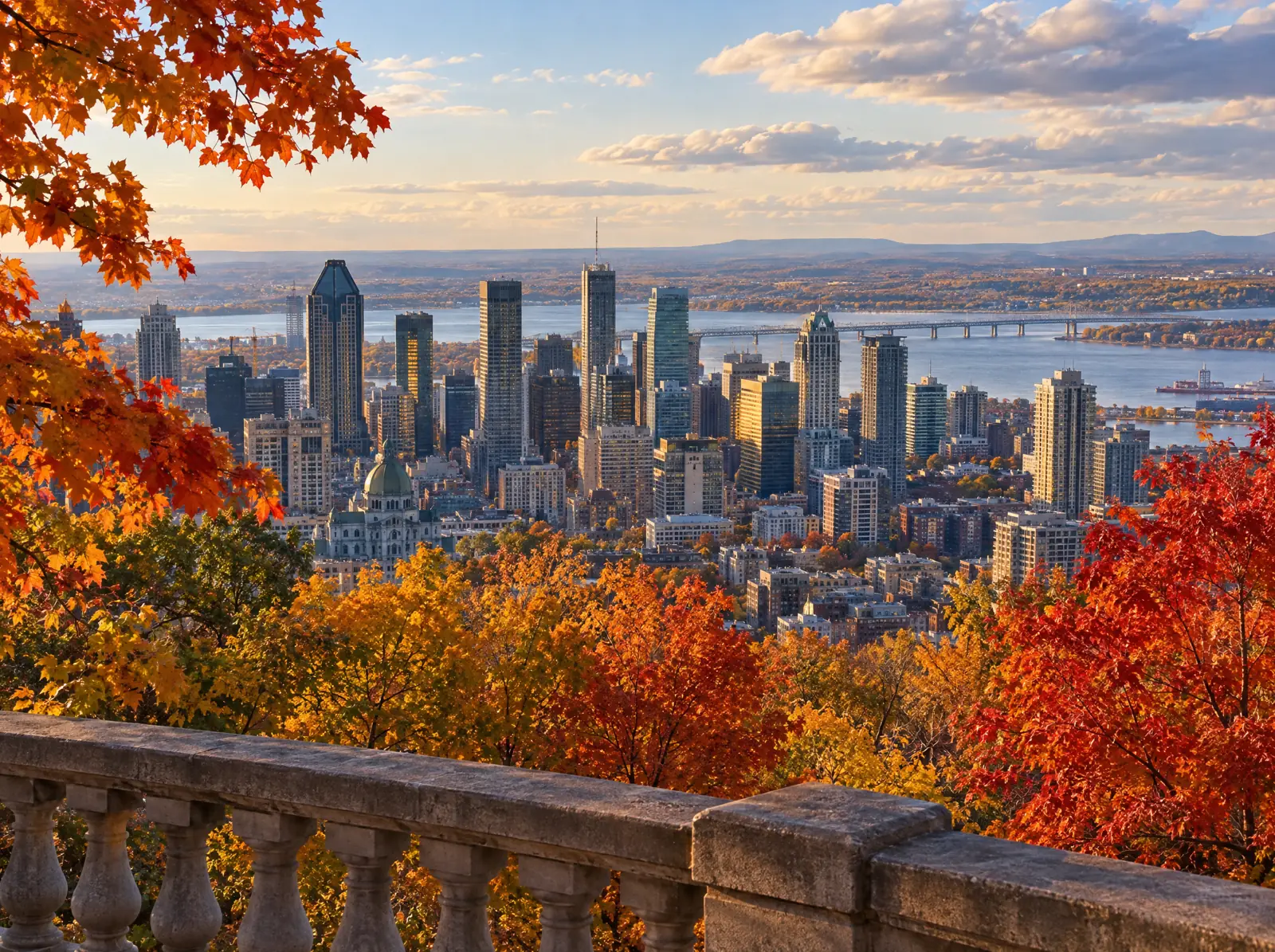
The city’s namesake hill, designed by Frederick Law Olmsted, offers sweeping views from the Kondiaronk Belvedere lookout. It’s a favorite spot for hiking, picnics, and the beloved Sunday Tam-Tams drum gatherings.

Olympic Stadium

Built for the 1976 Summer Olympics, the Olympic Stadium stands out with its iconic inclined tower — the tallest of its kind in the world. Today, it hosts tours, events, and concerts.

Circus Arts and Cirque du Soleil

Montreal is also the birthplace of Cirque du Soleil, the world-famous contemporary circus company. The city remains a hub for the performing arts, with schools and shows dedicated to circus culture and creativity.


4. A Blend of Past and Present

Montreal’s charm lies in its ability to balance history and innovation. You can spend the morning wandering the cobblestone streets of Old Montreal, have lunch in a trendy Plateau café, and end your night dancing in a converted warehouse in Griffintown.

Its character is defined by contrast — old meets new, French meets English, tradition meets modernity — creating a cultural mosaic that continues to captivate visitors year after year.


Final Thoughts

So, what is Montreal famous for? It’s famous for being unforgettable.

For its bagels and poutine, for its jazz and laughter, for its architecture and its open-hearted spirit. It’s a city that celebrates creativity in every form — a place where art, food, and culture come together to create something truly unique.

Whether you’re exploring the underground tunnels, admiring the skyline from Mount Royal, or simply savoring a smoked meat sandwich at a corner deli, one thing is certain — Montreal always leaves its mark.

Traveling from Montreal to Quebec City is one of the most scenic and convenient journeys in Eastern Canada. Whether you’re drawn by Quebec City’s European charm or Montreal’s cosmopolitan vibe, the 250 km stretch between the two is well-connected and offers multiple travel options suited to every budget and preference.

Here’s a complete guide to help you decide the best way to travel from Montreal to Quebec City — whether you’re seeking comfort, savings, or adventure.


1. By Car – Flexibility and Scenic Freedom

Time: 2 ¾ – 3 hours
Cost: Varies (fuel + rental)
Best for: Travelers seeking freedom and scenic routes

Driving gives you the most flexibility and lets you explore hidden gems along the way. You can take Autoroute 20 (Autoroute Jean-Lesage) for a faster, more direct route, or Autoroute 40 (north shore) if you prefer variety. For a picturesque alternative, follow Route 138 (Chemin du Roy) — a historic and scenic road that winds through charming towns like Trois-Rivières.

Tips:

  • Car rentals are available from both Montréal-Trudeau Airport and downtown.

  • Expect challenging winter driving conditions — snow tires are mandatory.

  • Parking in Old Quebec can be limited, so book accommodation with parking included.


2. By Train – Comfort and Convenience

Operator: VIA Rail Canada
Time: 3 – 3 ¼ hours
Cost: CAD 40 – 130 (one-way)
Best for: Comfort and reliability

The train from Montreal to Quebec City is the perfect balance between convenience and comfort. VIA Rail offers five daily departures between early morning and early evening. Passengers enjoy Wi-Fi, spacious seating, and optional upgrades like business-class meals and lounge access.

Booking in advance, especially on Tuesdays, can unlock fares as low as CAD 35–40. Trains depart from Montreal’s Central Station and arrive at Gare du Palais in the heart of Quebec City — ideal for exploring Old Quebec on foot.

Pros: Comfortable, scenic, stress-free
Cons: Slightly longer than driving and potential minor delays


3. By Bus – The Budget-Friendly Choice

Operator: Orléans Express
Time: 3 – 4 hours
Cost: CAD 25 – 68
Best for: Budget travelers and solo trips

If you’re watching your wallet, the bus from Montreal to Quebec City is the most affordable option. Buses run hourly from Montreal’s downtown terminal to Gare du Palais, equipped with Wi-Fi, power outlets, and restrooms.

Early bookings (around a week in advance) can drop fares to CAD 25–30. Travel times vary slightly depending on traffic, but overall, it’s one of the most dependable and comfortable ways to go.

Pros: Low-cost, frequent departures
Cons: Slightly slower than train and limited legroom


4. By Plane – Fastest in the Air, Not Always on Time

Airlines: Air Canada, PAL Airlines, Pascan Aviation
Flight Time: ~45 minutes
Total Travel Time (with transfers): 2 – 3 hours
Cost: CAD 90 – 130+
Best for: Time-sensitive or connecting travelers

Flying from Montreal to Quebec City takes under an hour, but once you include airport check-in, security, and ground transport, total travel time is comparable to the train.

Flights depart from Montréal-Trudeau (YUL) or Saint-Hubert (YHU) airports and arrive at Quebec City Jean Lesage Airport (YQB), about 25 minutes from downtown by car or over an hour by public transit.

Pros: Quickest pure travel time
Cons: More expensive; minimal time savings once transfers are included


5. Rideshares & Carpooling – Cheap but Unpredictable

Platforms: Amigo Express, Facebook Groups
Time: ~3 hours
Cost: CAD 25 – 30
Best for: Flexible, solo travelers

For adventurous travelers, rideshare options like Amigo Express or Facebook carpooling groups can be a cheap alternative. However, reliability depends on the driver, and last-minute cancellations are common.

Pros: Lowest cost option
Cons: Limited reliability, no fixed schedule


Quick Comparison Table

Mode of Travel Duration Approx. Cost (CAD) Best For
Train (VIA Rail) 3 – 3.5 hours 40 – 130 Comfort & convenience
Bus (Orléans Express) 3 – 4 hours 25 – 68 Budget travelers
Car (Drive) 2.75 – 3 hours Varies Flexibility & scenic stops
Flight 45 min + transfers 90 – 130+ Time-sensitive travelers
Rideshare ~3 hours 25 – 30 Budget solo travelers

Recommended Options

  • Best Overall: Train — comfortable, reliable, and centrally located.

  • Best Budget Option: Bus — affordable and straightforward.

  • Best for Flexibility: Driving — ideal for sightseeing or group travel.

  • Fastest Option: Flying — only if connections or schedules fit perfectly.


Final Thoughts

Whether you’re chasing the vibrant energy of Montreal or the old-world charm of Quebec City, your travel experience can be as scenic or as efficient as you like.

For most travelers, the VIA Rail train offers the perfect balance of comfort and convenience — just sit back, relax, and watch Quebec’s countryside roll by. If budget is your top priority, Orléans Express buses are unbeatable, while those craving freedom should hit the road and enjoy the journey along the Saint Lawrence River.

No matter your choice, the trip between Montreal and Quebec City is an experience in itself — one that captures the best of Canada’s culture, scenery, and charm.

The dome at the canadian museum of history

Montreal is a city where history, art, and nature meet in perfect harmony. With its French charm, world-class attractions, and lively neighborhoods, it’s no surprise that Montreal ranks among North America’s most beloved destinations. Whether you’re visiting for a weekend getaway or a longer stay, these must-see Montreal tourist places promise to make your trip unforgettable.


Historic & Cultural Landmarks

Notre-Dame Basilica
A masterpiece of Gothic Revival architecture, the Notre-Dame Basilica in Old Montreal is one of Canada’s most breathtaking churches. Step inside to witness its grand altar, deep blue vaults, and detailed wood carvings. The AURA light and sound show brings the space to life in a mesmerizing experience that celebrates art and spirituality.

Old Montreal (Vieux-Montréal)
Stroll along cobblestone streets and take in centuries-old architecture in Old Montreal, the city’s historic heart. This area is filled with charming cafés, boutique shops, art galleries, and street performers. Don’t miss the nearby Old Port, where you can enjoy riverfront walks, ziplining, or a scenic ride on La Grande Roue de Montréal, the city’s iconic Ferris wheel.

Saint Joseph’s Oratory of Mount Royal
Rising high above the city, Saint Joseph’s Oratory is one of the world’s most important pilgrimage sites. Its dome dominates Montreal’s skyline, offering breathtaking panoramic views from its terrace. Inside, the basilica’s serene beauty and religious significance make it a must-visit landmark for both spiritual travelers and architecture lovers.

Pointe-à-Callière Archaeology and History Complex
Discover the birthplace of Montreal at Pointe-à-Callière, a fascinating museum built atop the city’s original settlement. Visitors can explore underground ruins, interactive exhibits, and multimedia presentations that trace Montreal’s journey from a French colony to a modern metropolis.


Nature & Outdoor Attractions

Mount Royal Park (Parc du Mont-Royal)
Designed by Frederick Law Olmsted, the same landscape architect behind Central Park, Mount Royal Park offers some of the best views of the city. Hike or cycle through scenic trails, enjoy a picnic by Beaver Lake, and end your visit at the Kondiaronk Belvedere lookout for a picture-perfect panorama of downtown Montreal.

Montreal Botanical Garden (Jardin Botanique de Montréal)
One of the largest and most beautiful gardens in the world, the Montreal Botanical Garden features over 22,000 plant species, themed gardens, and seasonal exhibitions. Highlights include the Chinese Garden, Japanese Garden, and the Insectarium nearby—making it a peaceful escape for nature enthusiasts.

Space for Life (Espace pour la Vie)
This science and nature complex brings together the Biodome, Botanical Garden, Planetarium, and Insectarium. At the Biodome, you can walk through recreated ecosystems ranging from tropical rainforests to icy polar zones—perfect for families and curious minds.


Museums & Art

Montreal Museum of Fine Arts (MMFA)
A cornerstone of Montreal’s cultural life, the Montreal Museum of Fine Arts houses a vast and diverse collection spanning classical art, contemporary installations, and Canadian works. It’s a must for art lovers seeking inspiration and insight into Montreal’s creative soul.

Montreal Science Centre
Located in the Old Port, the Montreal Science Centre offers interactive exhibits and IMAX films designed to engage visitors of all ages. It’s one of the best family-friendly attractions in the city, blending fun and education in one space.


Shopping & Entertainment Districts

Underground City (RÉSO)
Montreal’s Underground City, or RÉSO, is a sprawling 32-kilometer network of tunnels connecting shopping centers, hotels, restaurants, and metro stations. Especially popular in winter, this underground world lets visitors explore and shop comfortably, no matter the weather.

Sainte-Catherine Street (Rue Sainte-Catherine)
The city’s main commercial artery, Sainte-Catherine Street, is a shopper’s paradise filled with international brands, local boutiques, and vibrant cafés. It’s also home to some of Montreal’s top entertainment venues, including theaters and music halls.

Place des Festivals (Quartier des Spectacles)
Located in downtown Montreal, Place des Festivals is the cultural heartbeat of the city. It hosts major events like the Montreal International Jazz Festival and Just for Laughs, drawing visitors from all over the world.

Chinatown
Montreal’s Chinatown is a lively enclave filled with authentic restaurants, herbal shops, and colorful markets. It’s the perfect spot to enjoy dumplings, dim sum, or a quick bubble tea break between sightseeing.


Experience Montreal Your Way

From the historic streets of Old Montreal to the lush trails of Mount Royal, Montreal offers an endless array of experiences. History buffs can uncover centuries of heritage, art lovers can immerse themselves in world-class museums, and foodies can explore bustling markets and diverse cuisines. Whether you’re admiring the view from Saint Joseph’s Oratory or getting lost in the Underground City, every corner of Montreal tells a story worth discovering.

Aspect Key Details
What it is A museum dedicated to environmental education, located inside the iconic geodesic dome originally built for Expo 67 as the U.S. pavilion.
Location Île Sainte‑Hélène in Parc Jean‑Drapeau, Montreal. Easily accessible via Jean‑Drapeau metro station.
Architecture The dome spans ~76 m in diameter and ~62 m high. Designed by Buckminster Fuller — one of the largest geodesic domes in the world.
History & Evolution Built for Expo 67, donated to the City of Montreal, became an environment museum in 1995, and is now part of the Espace pour la Vie network.
Mission & Themes Focuses on water, air, climate change, eco-technologies, sustainable development, and eco-citizenship. Blends science, art, and innovation.
Exhibits & Programs Interactive displays, permanent exhibitions like Transform, guided activities, workshops, and multimedia presentations.
Visitor Experience Features multiple levels, ramps, platforms, and hands-on exhibits. Family-friendly and accessible.
Hours & Admission Open daily from 9 a.m. to 5 p.m. (or 6 p.m. in summer). Entry fees apply. Best accessed via public transport.
Iconic Aspects A landmark of Expo 67 and symbol of sustainability. The dome is illuminated at night for special events.

In the heart of Montreal, an architectural marvel stands as both a beacon of environmental stewardship and an emblem of human ingenuity: the Biosphere Environment Museum. This extraordinary edifice is not merely a repository of ecological knowledge but a dynamic hub for community-driven learning and personal empowerment. Within its distinctive geodesic dome, the museum fosters a transformative experience, intertwining complex environmental narratives with the intimate realities of our shared human journey.

The Birth of a Visionary Space

The Biosphere Environment Museum, nestled on Île Sainte-Hélène, emerges from a rich tapestry of history and innovation. Originally conceived by the visionary architect Buckminster Fuller for the 1967 World Expo, the museum embodies the confluence of art, science, and ecological consciousness. Fuller’s geodesic dome, an epitome of structural efficiency, symbolizes the potential of human creativity to harmonize with natural ecosystems.

A Historical Perspective

The 1967 World Expo was a landmark event, showcasing human achievement and innovation. Fuller’s dome was a centerpiece, representing a futuristic vision of sustainable living. This structure was a part of a larger movement during the 1960s that emphasized global unity and environmental awareness. The legacy of this era continues to influence the museum’s mission and values today, making it a place where the past and future converge.

Buckminster Fuller’s Influence

Fuller was not just an architect but a visionary thinker who championed the idea of doing more with less. His design principles focused on efficiency and sustainability, concepts that are more relevant today than ever. The geodesic dome stands as a testament to his innovative spirit, demonstrating how architecture can serve both functional and symbolic purposes. By incorporating Fuller’s philosophies, the museum remains a living tribute to his genius.

The Dome as a Symbol

The geodesic dome is more than an architectural wonder; it is a symbol of resilience and adaptability. Its design allows it to withstand extreme weather conditions, embodying the principles of environmental harmony and sustainability. This structure invites visitors to reflect on the relationship between human innovation and the natural world, encouraging a deeper understanding of our role within the ecosystem.


Interest Why It Matters Recommendation
Environmental learning In-depth insights into climate and sustainability Perfect for students, families, and educators
Architecture & history A marvel of 1960s engineering and Expo 67 heritage Ideal for architecture lovers and historians
Hands-on & visual exhibits Engaging for all ages, particularly children Suits family visits
Special programs & events Offers workshops and seasonal exhibitions Check schedule before visiting
Accessibility & comfort Equipped with ramps and elevators Great for mobility-restricted visitors
Outdoor activities & park access Located in a scenic island park near trails and riverside views Combine with a picnic or walk in the park
Convenient transportation Quick metro access, no need to drive or park Recommended route: Jean‑Drapeau metro station


A Sanctuary of Ecological Wisdom

The Biosphere Environment Museum in Montreal offers an immersive journey through the multifaceted dimensions of environmental science. It stands as a sanctuary where complex ecological concepts are distilled into captivating, relatable experiences that inspire personal and communal transformation.

Exhibitions: A Confluence of Science and Storytelling

The museum’s exhibitions are a testament to its commitment to fostering environmental literacy. Each exhibit is meticulously curated to convey intricate ecological dynamics through engaging storytelling. The narratives resonate with both cognitive and emotional faculties, empowering visitors to grasp the nuanced interplay between human actions and environmental consequences.

Interactive Displays

Interactive displays bring scientific concepts to life, allowing visitors to engage with the material in a hands-on manner. These installations are designed to make learning enjoyable and memorable, fostering a deeper understanding of ecological issues. Through tactile experiences, visitors can explore topics such as biodiversity, climate change, and sustainable living, leaving with a lasting impression of their importance.

Thematic Galleries

The museum’s thematic galleries offer a deep dive into specific ecological topics, each presented in a way that is both informative and visually captivating. From the wonders of marine ecosystems to the intricacies of urban sustainability, these galleries provide a comprehensive look at the environmental challenges and solutions of our time. The carefully curated content encourages visitors to reflect on their own environmental impact and consider actionable steps towards sustainability.

Storytelling as a Tool for Change

Storytelling is a powerful tool for change, and the museum leverages it to connect with visitors on an emotional level. By weaving narratives that highlight both the triumphs and challenges of environmental stewardship, the museum inspires visitors to become advocates for the planet. These stories serve as a reminder of our collective responsibility and the potential for positive change.

An Educational Odyssey

Within the confines of the Montreal Biosphere, learning transcends traditional paradigms. The museum’s educational programs are meticulously designed to cater to diverse audiences, from inquisitive children to discerning scholars. Interactive workshops, thought-provoking lectures, and collaborative projects foster a culture of lifelong learning and encourage visitors to become active participants in the global ecological discourse.

Programs for All Ages

The museum offers educational programs tailored to various age groups, ensuring that everyone can benefit from its resources. From school field trips to adult education seminars, these programs are designed to engage audiences in meaningful ways. By providing age-appropriate content, the museum ensures that all visitors leave with a greater understanding of environmental issues and a commitment to making a difference.

Workshops and Hands-On Learning

Workshops provide a platform for experiential learning, allowing participants to delve deeper into ecological topics. These sessions are led by experts and cover a wide range of subjects, from renewable energy to wildlife conservation. By engaging in hands-on activities, visitors gain practical skills and knowledge that empower them to take action in their own lives.

Encouraging Scholarly Engagement

For those seeking a more in-depth exploration of environmental issues, the museum offers lectures and seminars featuring renowned scholars and thought leaders. These events provide a platform for intellectual exchange and encourage critical thinking about complex ecological challenges. By fostering a scholarly community, the museum contributes to the broader discourse on sustainability and conservation.

The Community as Catalyst

The Biosphere Montreal epitomizes the synergy between individual empowerment and community-driven learning. It serves as a crucible for cultivating a collective consciousness that transcends cultural and geographical boundaries.

Building Bridges through Collaborative Learning

The museum actively fosters partnerships with educational institutions, research organizations, and community groups. These collaborations serve as conduits for exchanging knowledge and co-creating innovative solutions to pressing ecological challenges. By facilitating dialogue among diverse stakeholders, the museum catalyzes a culture of communal growth and shared responsibility.

Partnering with Educational Institutions

Collaborations with schools and universities enrich the museum’s offerings and extend its reach. By working together, these institutions can develop joint programs and initiatives that enhance environmental education. These partnerships foster a culture of learning that extends beyond the museum’s walls, encouraging students and educators to engage with ecological topics in meaningful ways.

Engaging with Local Communities

Community engagement is a cornerstone of the museum’s mission, and it actively seeks to involve local residents in its initiatives. By hosting events and workshops that address community-specific environmental issues, the museum creates opportunities for meaningful dialogue and collaboration. These efforts strengthen community ties and empower individuals to become advocates for sustainability in their own neighborhoods.

Global Collaborations

The museum’s impact extends beyond local and national borders through its involvement in global initiatives. By participating in international networks and projects, the museum contributes to the worldwide effort to address environmental challenges. These collaborations allow for the sharing of resources and expertise, fostering a global community committed to ecological stewardship.

Empowerment through Engagement

Educational Workshop at the Biosphere

Visitors to the Biosphere Environment Museum are not passive observers but active participants in a transformative journey. The museum empowers individuals to explore their potential as stewards of the environment, encouraging them to envision and enact tangible change within their communities. This empowerment is not confined to the walls of the museum but reverberates through the social fabric, inspiring a ripple effect of ecological consciousness.

Interactive Visitor Experiences

The museum offers a range of interactive experiences designed to engage visitors in the learning process. From virtual reality simulations to interactive exhibits, these experiences encourage active participation and critical thinking. By immersing visitors in real-world scenarios, the museum fosters a deeper understanding of environmental issues and inspires action.

Inspiring Leadership and Action

The museum’s programs aim to cultivate leadership skills and inspire proactive engagement in environmental causes. Through mentorship opportunities and leadership workshops, visitors are encouraged to take initiative and lead efforts in their own communities. By empowering individuals to become change-makers, the museum amplifies its impact and fosters a culture of environmental responsibility.

Fostering a Sense of Community

The museum creates a sense of belonging among visitors by encouraging them to connect with others who share their passion for the environment. Through group activities and community events, visitors can build relationships and collaborate on projects that promote sustainability. This sense of community strengthens the museum’s mission and reinforces the idea that collective action is essential for meaningful change.

Personal Narratives: The Heartbeat of Transformation

At the core of the Biosphere Environment Museum’s ethos is the recognition that personal narratives are the heartbeat of transformation. The museum invites visitors to weave their own stories into the broader tapestry of ecological evolution.

Inspiring Change through Personal Stories

The museum’s narrative approach transcends didactic instruction, engaging visitors on a deeply personal level. By sharing stories of individuals who have championed environmental causes, the museum inspires others to embark on their own journeys of transformation. These narratives serve as powerful reminders of the potential within each individual to effect meaningful change.

Highlighting Environmental Champions

The museum showcases the stories of environmental champions who have made significant contributions to conservation and sustainability. These individuals serve as role models, demonstrating the impact that one person can have on the world. By highlighting their achievements, the museum inspires visitors to follow in their footsteps and become advocates for change.

Encouraging Personal Reflection

Visitors are encouraged to reflect on their own experiences and consider how they can contribute to environmental stewardship. Through guided reflection activities and personal storytelling workshops, individuals can explore their values and motivations. This introspective process helps visitors connect with the museum’s mission on a personal level and inspires them to take action.

Creating a Collective Narrative

The museum fosters a sense of collective identity by encouraging visitors to share their own stories and insights. Through storytelling sessions and collaborative projects, individuals can contribute to a shared narrative of ecological evolution. This collective narrative reinforces the idea that everyone has a role to play in shaping a sustainable future.

A Tapestry of Human Potential

The Biosphere Montreal is not merely a repository of ecological knowledge but a testament to the boundless potential of human creativity and resilience. It celebrates the diversity of human experience and underscores the interconnectedness of our shared journey. By embracing the complexity of the human condition, the museum fosters an environment where transformation and evolution are not only possible but inevitable.

Celebrating Diversity and Inclusion

The museum is committed to celebrating the diversity of human experience and ensuring that all voices are heard. By highlighting the contributions of diverse communities to environmental stewardship, the museum promotes inclusivity and equity. This commitment to diversity enriches the museum’s offerings and ensures that all visitors feel valued and represented.

Embracing Complexity and Resilience

The museum acknowledges the complexities of environmental issues and the resilience required to address them. By presenting diverse perspectives and encouraging critical thinking, the museum empowers visitors to navigate these complexities with confidence. This approach fosters a culture of resilience, encouraging individuals to persevere in the face of challenges and continue working towards a sustainable future.

Fostering Hope and Optimism

The museum’s narrative is one of hope and optimism, emphasizing the potential for positive change. By highlighting successful conservation efforts and innovative solutions, the museum inspires visitors to believe in the possibility of a sustainable future. This message of hope resonates with visitors, encouraging them to envision and work towards a world where humans live in harmony with nature.

Conclusion: A Beacon of Hope and Inspiration

The Biosphere Environment Museum in Montreal stands as a beacon of hope and inspiration, illuminating the path toward a more sustainable and harmonious future. Through its commitment to community-driven learning, personal empowerment, and ecological stewardship, the museum invites individuals to embrace their potential as agents of change. As visitors traverse its halls, they are not only witnesses to the unfolding narrative of ecological evolution but active participants in shaping its future.

In a world where the challenges of environmental degradation and climate change loom large, the Biosphere Montreal offers a sanctuary of wisdom and inspiration. It challenges us to reflect on our roles as custodians of the Earth and to embrace the transformative power of human potential. In doing so, it reaffirms our capacity to evolve, adapt, and create a future that honors the intricate beauty of the natural world.

Inviting a Global Audience

The museum extends an open invitation to visitors from around the world, welcoming diverse perspectives and experiences. By fostering an inclusive environment, the museum enriches the global dialogue on sustainability and conservation. This international exchange of ideas and knowledge strengthens the museum’s impact and reinforces its role as a leader in environmental education.

Encouraging Ongoing Engagement

The museum’s influence extends beyond the confines of its physical space, encouraging ongoing engagement with environmental issues. Through digital platforms and virtual resources, the museum provides opportunities for continued learning and involvement. By offering these resources, the museum ensures that its message of sustainability and stewardship reaches a wider audience.

A Call to Action

The Biosphere Environment Museum serves as a call to action, urging individuals to take responsibility for the planet’s future. By inspiring visitors to become advocates for change, the museum amplifies its impact and fosters a global community committed to environmental stewardship. This call to action resonates with all who visit, encouraging them to contribute to a sustainable future.