camp site

In Quebec, few words are as expressive—or as uniquely cultural—as “tabarnak.”
Often shocking to outsiders yet deeply symbolic to locals, tabarnak is part of a rich linguistic phenomenon known as les sacres, Quebec’s distinctive style of religiously inspired swearing.

This article explores where the word comes from, why it became so powerful, and how it reflects the evolution of language, identity, and rebellion in Quebec’s history.


Etymology: From the Church to the Streets

The word tabarnak (or tabarnac, tabernak, etc.) derives from the French word “tabernacle,” meaning tabernacle — the sacred container in Catholic churches that holds the Eucharist, representing the body of Christ.

In Catholic tradition, the tabernacle is one of the holiest objects in a church — a symbol of divine presence and reverence.
In Quebec, however, this sacred word took a rebellious turn.

Term Religious Meaning Québécois Transformation
Tabernacle Sacred vessel containing the consecrated host in Catholicism. Transformed into “tabarnak,” one of Quebec’s strongest swear words.

What was once sacred became a symbol of frustration, resistance, and cultural identity.

Sources:


How a Holy Word Became a Curse Word

In the 19th and early 20th centuries, the Catholic Church dominated daily life in Quebec—from education to politics to morality.
By the mid-20th century, as Quebecers pushed for secularization during the Quiet Revolution (1960s), frustration with religious control found an outlet in language.

  • Using church terms as swear words became a form of protest—a way for people to vent emotion and reject oppressive authority.

  • Words like tabarnak, câlisse (from calice / chalice), and sacrament evolved into everyday expletives.

Linguistically, it was an act of rebellion — turning the language of faith into the language of freedom.

Sources:


Modern Usage: Emotion, Humor, and Identity

Today, tabarnak is less about religion and more about expression.
It’s a versatile word—used to express anger, surprise, pain, or even excitement. It can stand alone, combine with others, or soften depending on tone.

Form Intensity Example Use English Equivalent
Tabarnak! Strong “Tabarnak! It’s cold!” “Damn, it’s freezing!”
Câlisse de tabarnak! Very strong “Câlisse de tabarnak, ça fait mal!” “F***ing hell, that hurts!”
Tabarnouche / Tabarouette / Tabarnane Softer euphemisms “Tabarnouche, quel match!” “Geez, what a game!”

Much like “damn” vs. “dang” in English, these softened versions make the swear socially acceptable in lighter contexts.

Sources:


A Mirror of Quebec’s Linguistic Soul

Beyond profanity, tabarnak has become a symbol of Québécois identity — used in comedy, literature, and music to mark authenticity and solidarity.

Writers like Michel Tremblay popularized les sacres in theatre and novels, while films like Bon Cop, Bad Cop use them to capture Quebec’s raw linguistic energy.

“Le tabarnak, c’est plus qu’un mot – c’est un cri du cœur.”
(Tabarnak is more than a word – it’s a cry from the heart.)

Sources:


Real Voices: How Quebecers Use “Tabarnak”

On Reddit, native Quebecers describe the word’s emotional power:

“Le mot ‘tabarnak’ utilisé seul ne vise personne, c’est exactement comme ‘fuck’. Dire ‘tabarnak’ est 10× plus fort que dire ‘fuck’ ici.”
(The word ‘tabarnak’ isn’t directed at anyone; it’s like saying ‘fuck.’ Saying it is 10× stronger than ‘fuck’ here.)

“Le tabarnak est important quand tu te rends compte que ça fait plus mal que prévu.”
(You say ‘tabarnak’ when something hurts more than expected.)

These testimonials show that tabarnak is not merely offensive — it’s emotionally instinctive.

Sources:


Summary Table

Aspect Explanation
Origin From tabernacle, the sacred container for the Eucharist.
Cultural Roots Emerged as rebellion against Church control during Quebec’s Quiet Revolution.
Profanity Level One of the strongest Québecois sacres.
Usage Expresses anger, frustration, surprise, or emphasis.
Variants Tabarnouche, tabarouette, tabarnane (milder forms).
Cultural Role Linguistic marker of Quebec identity and creativity.

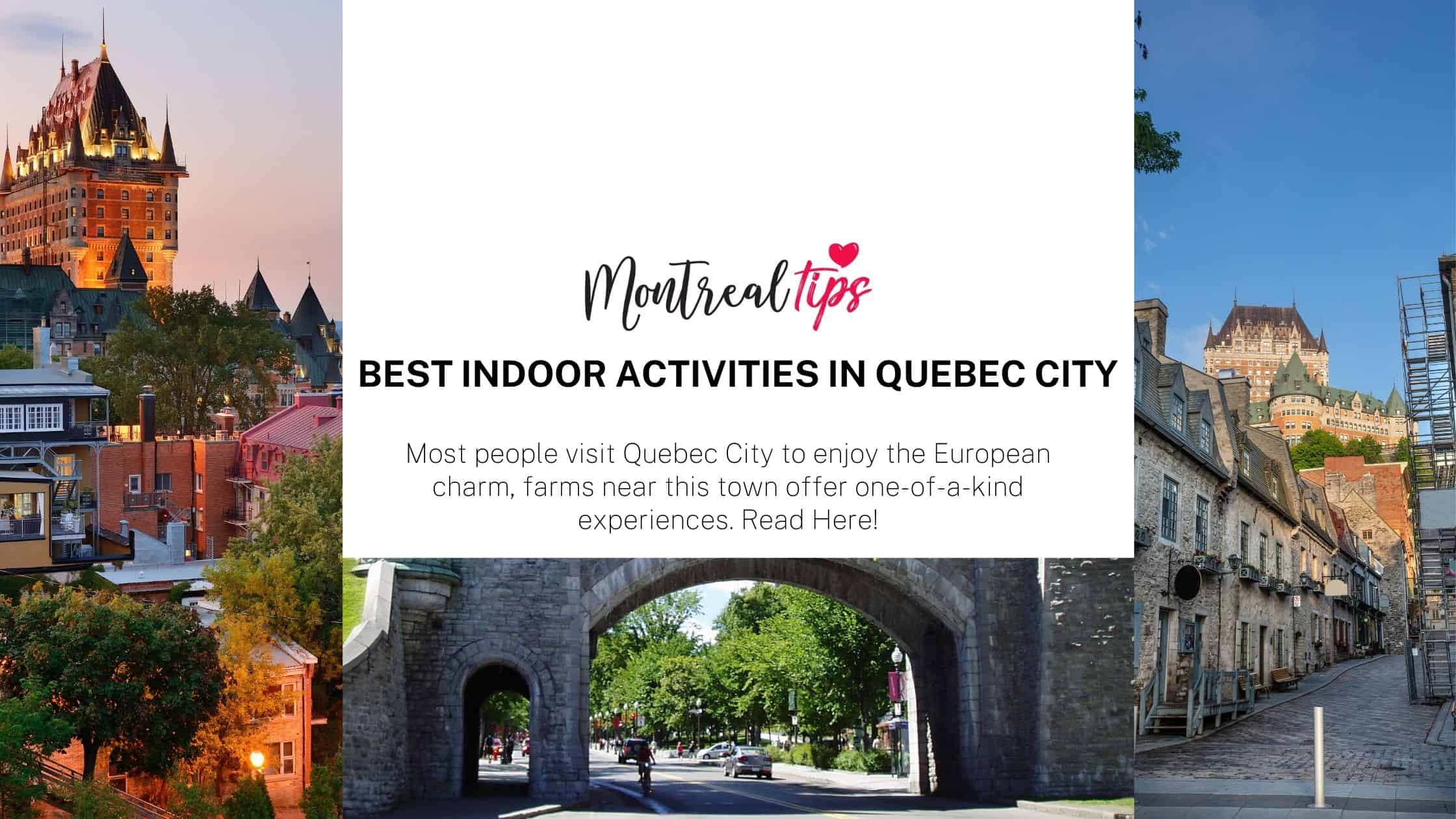
Old Quebec City, with its cobblestone streets, fortified walls, and French charm, is a living museum of North American history. Its story stretches over four centuries — from Samuel de Champlain’s 1608 settlement to its designation as a UNESCO World Heritage Site.

Here’s how this remarkable district became one of the most enduring symbols of French heritage outside Europe.


1. The Founding of Quebec (1608–1763): Champlain and the French Regime

Old Quebec City was founded on July 3, 1608, by French explorer Samuel de Champlain, who established a fur-trading post called the Habitation near today’s Place Royale.
It became the heart of New France, strategically located along the St. Lawrence River.

  • Lower Town (Basse-Ville): merchants, warehouses, and shipyards.

  • Upper Town (Haute-Ville): administration, religion, and military command centered around Fort St. Louis.

Champlain’s vision transformed Quebec into the cradle of French civilization in North America.

Sources: The Canadian Encyclopedia, Ville de Québec Archives


2. Fortifications and Defense: A Walled City in North America

To protect against invasions, governors such as Frontenac oversaw the construction of stone walls, bastions, and gates throughout the 17th and 18th centuries.
Between 1819 and 1832, the British built the Citadelle of Québec, a massive star-shaped fortress that remains active today.

These fortifications make Quebec the only walled city north of Mexico, and they still define its skyline.

Sources: Citadelle of Québec – Wikipedia, National Geographic


3. The Battle of the Plains of Abraham (1759): Turning Point in North America

The Battle of the Plains of Abraham, fought in 1759, was a decisive moment in Canadian history.
British troops under General James Wolfe defeated the French forces led by Marquis de Montcalm, leading to the fall of New France.

By the Treaty of Paris (1763), France ceded Quebec to Britain — marking the start of British rule. Despite the transition, Quebec retained its French culture, language, and religion, setting it apart from other colonies.

Sources: Wikipedia – Quebec City, Canadahistory.org


4. British Rule and Economic Expansion (1763–1867)

During the British regime, Quebec City grew into a thriving commercial and industrial hub.

  • The Port of Québec became one of North America’s busiest, behind only New York and New Orleans.

  • Shipbuilding and timber exports fueled the economy.

  • The city’s defensive walls were maintained, protecting its colonial character.

Sources: Ville de Québec – History Archives


5. Preservation and the Birth of a Heritage Landmark (19th–20th Century)

In the late 1800s, the city faced pressure to modernize by demolishing its fortifications.
Lord Dufferin, Governor General of Canada (1872–1878), led a visionary campaign to preserve the ramparts, recognizing their historical value.

Dufferin’s efforts ensured Old Quebec would remain a rare example of a walled colonial city in the New World.

By the 1960s, provincial protection laws were enacted, designating Old Quebec as a Historic District.

Sources: UNESCO World Heritage Centre, UNESCO World


6. UNESCO World Heritage Status (1985–Present)

In 1985, UNESCO recognized Old Quebec’s Historic District as a World Heritage Site, describing it as:

“A remarkably well-preserved example of a fortified colonial city, unique north of Mexico.”

The district includes:

  • Cap Diamant (Upper Town)

  • Lower Town

  • Fortifications and Citadel

  • Historic landmarks like the Château Frontenac, Place Royale, and Notre-Dame-des-Victoires Church

Sources: UNESCO Listing #300, National Geographic


7. Old Quebec Today: Living Heritage

Today, Old Quebec is a UNESCO-protected district and a thriving cultural beacon.
Visitors can explore:

  • Notre-Dame-des-Victoires Church (built 1687–1723)

  • Château Frontenac (opened 1893)

  • Plains of Abraham Park

  • Petit-Champlain District — one of North America’s oldest commercial streets

The area remains a vibrant mix of French, British, and Canadian influences, drawing millions of visitors each year.

Sources: Québec-Cité Tourism, The Times UK Travel


️ Quick Historical Timeline

Year Event
1608 Samuel de Champlain founds Quebec City near Place Royale.
1690–1750s Fortifications and city walls built under French governance.
1759 Battle of the Plains of Abraham – British victory.
1763 Treaty of Paris transfers Quebec to British rule.
1800s Industrial boom; preservation efforts begin.
1870s Lord Dufferin protects city walls.
1960s Quebec declares Old District protected.
1985 UNESCO World Heritage designation.
Today Old Quebec remains a cultural and architectural gem.

Ottawa, Canada’s bilingual capital, blends historic landmarks with vibrant culture and world-class festivals. Whether you’re skating on the Rideau Canal in winter or exploring ByWard Market in summer, the city rewards every traveler with charm, order, and character.

Here’s everything you need to know before you go.


1. When Is the Best Time to Visit Ottawa?

  • Spring (March–May): Mild weather and the Canadian Tulip Festival, when over a million tulips bloom along Dow’s Lake.

  • Summer (June–August): Warm temperatures, bustling patios, and festivals like RBC Bluesfest, Jazz Fest, and Canada Day celebrations.

  • Autumn (September–November): Crisp air and fiery foliage; ideal for budget travelers.

  • Winter (December–February): Iconic Winterlude festival and skating on the Rideau Canal Skateway, the world’s largest outdoor rink.

Tip: Book early for major summer and winter festivals—rooms sell fast near Parliament Hill.

Sources: U.S. News Travel, Hotels.com Travel Kit


2. What Should You Pack for Each Season?

Season Essentials
Winter Thermal layers, insulated coat, gloves, boots
Spring / Fall Waterproof jacket, sweater layers, umbrella
Summer Light clothes, hat, sunglasses, SPF, refillable bottle

Carry comfortable walking shoes year-round — downtown Ottawa is compact and best explored on foot.

Sources: SmarterTravel


3. How to Get Around the City

  • Public Transit: OC Transpo buses and the O-Train LRT network; use a Presto Card or day-pass.

  • Cycling & Scooters: Explore via VeloGo (HOPR) bikes or scooters from Lime and Bird along the Capital Pathway.

  • Rideshare / Taxi: Uber, Lyft, Blue Line, and Capital Taxi are reliable options.

  • Walking: Most downtown attractions—Parliament Hill, ByWard Market, Rideau Canal—are within 20 minutes of each other.

Sources: Wikipedia – Capital Pathway, MapTurners Guide


4. What Are the Must-See Attractions in Ottawa?

Parliament Hill & Rideau Canal

Visit the Parliament Buildings for free guided tours and witness the Changing of the Guard. In winter, skate or stroll along the UNESCO-listed Rideau Canal.

ByWard Market

A lively hub for local produce, restaurants, and nightlife—don’t miss classic BeaverTails pastries.

Museums & Cultural Sites

  • National Gallery of Canada – world-class art and Indigenous exhibits.

  • Canadian Museum of History – stories of Canada’s peoples and civilizations.

  • Canadian War Museum – military artifacts and immersive exhibits.

  • National Arts Centre (NAC) – theatre, ballet, and symphony performances.

Sources: Wikipedia – Rideau Canal, CN Traveler


5. What Festivals Should You Experience?

Festival Month Highlight
Winterlude February Ice sculptures & canal skating
Canadian Tulip Festival May Over 1 million tulips in bloom
Canada Day July 1 Fireworks & concerts on Parliament Hill
RBC Bluesfest & CityFolk July–September Major music festivals

Check local calendars early—tickets and accommodations book up months ahead.

Sources: Wikipedia – Winterlude, Times of India Travel


6. What to Eat, Buy & Experience Locally

  • Cuisine: Try poutine, BeaverTails, and butter tarts.

  • Restaurants: The Whalesbone, Riviera, Play Food & Wine on Elgin Street.

  • Souvenirs: Maple syrup, Indigenous art, and locally made crafts.

  • Shopping: CF Rideau Centre for brands, or Perfect Books / Octopus Books for local reads.

Sources: The Times UK – Ottawa Feature


7. Money, Etiquette & Practical Tips

  • Currency: Canadian dollars (CAD); credit and tap payments common.

  • Tipping: 15–20% for restaurants, 10–20% for taxis.

  • Language: English & French — simple French greetings (Bonjour, Merci) are appreciated.

  • Holiday Hours: Many museums close Mondays / Tuesdays off-season; stores close on major holidays.

Sources: AAA Trip Canvas


8. Hidden Gems & Local Favorites

  • Rideau River Eastern Pathway: A peaceful riverside walking / cycling route.

  • Hog’s Back Falls: Urban waterfalls and picnic spot near Mooney’s Bay.

  • Neighborhood Cafés: Little Victories, Arlington Five, Happy Goat Coffee.

  • Local Markets & Art: Explore Lansdowne Farmers Market or independent galleries in Hintonburg.

Locals are friendly—ask for recommendations; they often lead you to Ottawa’s best secrets.

Sources: BestTripGallery, WotPost Travel Tips


️ Quick Summary Table

Category Highlights
Best Seasons Spring (tulips), Summer (festivals), Winter (ice skating)
Packing Tips Layer for weather swings & bring comfortable shoes
Transportation OC Transpo, O-Train, VeloGo, Lime/Bird, Uber/Lyft
Top Sights Parliament Hill, Rideau Canal, ByWard Market, Museums
Food & Culture BeaverTails, poutine, Indigenous crafts
Festivals Winterlude, Tulip Festival, Bluesfest
Practical Tips CAD currency, 15–20% tipping, book festivals early
Hidden Gems Hog’s Back Falls, Rideau River Trail, local cafés

Quebec City is a UNESCO World Heritage treasure — a blend of European charm, history, and natural beauty unlike anywhere else in North America. From the walled Old City to breathtaking waterfalls and cozy cobblestone streets, every corner tells a story.

Here’s a curated guide to the top sights and landmarks you must see in Quebec City.


1. What Are the Top Historical Sights in Quebec City?

Old Quebec (Vieux-Québec)

Step inside the only walled city north of Mexico, recognized by UNESCO for its preservation and charm.
Wander through Place Royale, where Samuel de Champlain founded the city in 1608, and admire centuries-old architecture.
Why visit: It’s the historic heart of French North America.

Sources: UNESCO, Quebec-Cité


Château Frontenac & Dufferin Terrace

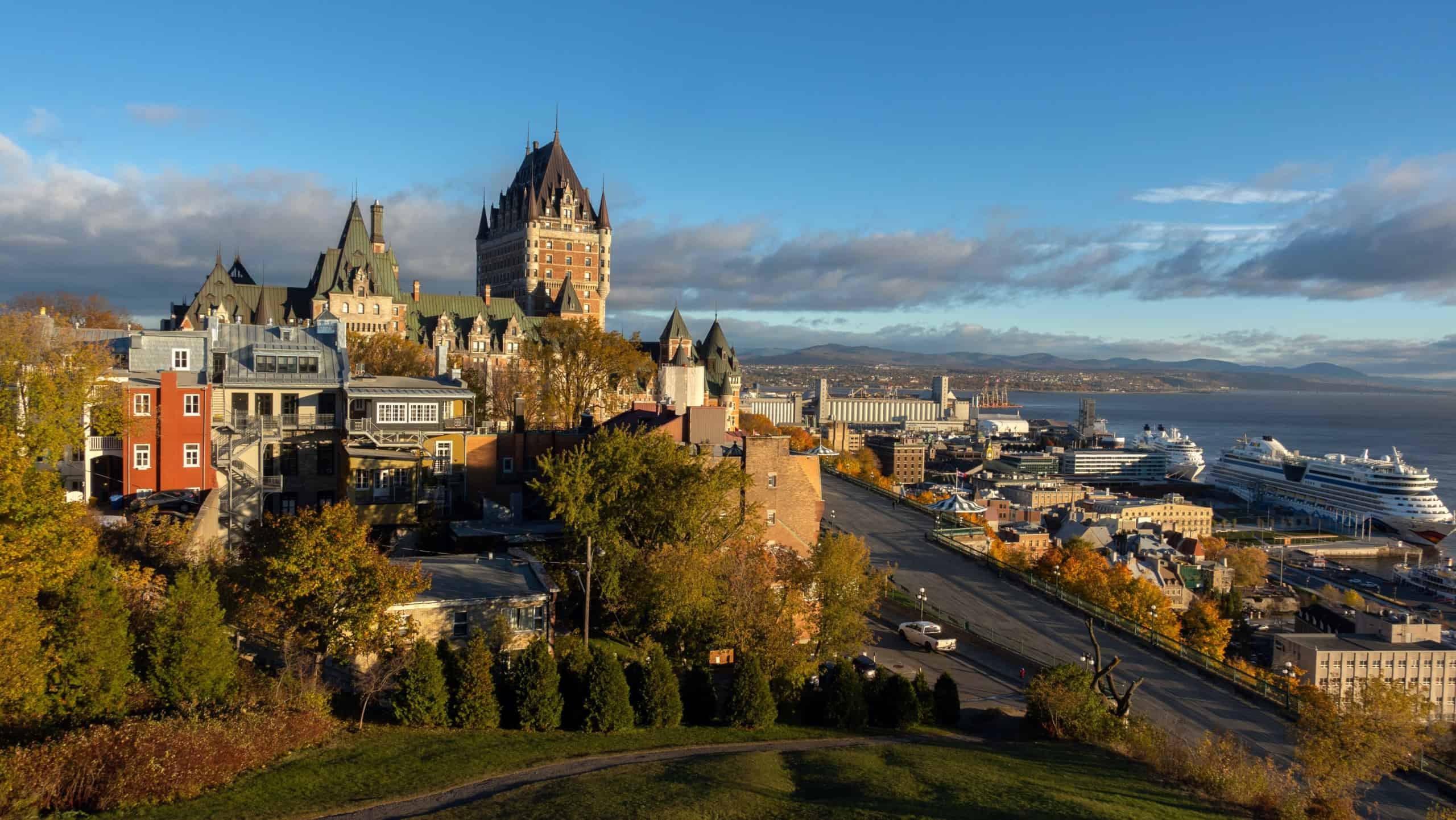
Arguably the most photographed hotel in the world, the Château Frontenac dominates Quebec’s skyline.
Stroll along Dufferin Terrace, a boardwalk offering panoramic views of the St. Lawrence River.

Sources: Destination Canada, Maya Maceka Travel


Petit-Champlain District

One of North America’s oldest streets, Quartier du Petit-Champlain is lined with colorful facades, artisan boutiques, and cozy bistros.
Don’t miss: Rue du Petit-Champlain, Breakneck Stairs, and Le Lapin Sauté restaurant.

Sources: Skyscanner, Reddit – r/quebeccity


Place Royale

This square marks the birthplace of French civilization in North America. Visit Notre-Dame-des-Victoires Church, one of the continent’s oldest stone churches (1687–1723).

Sources: Quebec-Cité, Salut Canada


Citadelle de Québec & Plains of Abraham

Tour the Citadel, an active fortress built in the 1800s that still houses Canada’s military ceremonies, including the Changing of the Guard.
Right beside it, explore the Plains of Abraham, site of the pivotal 1759 battle between the French and British.

Sources: MakeMyTrip, TripAdvisor


2. What Natural Attractions Are Near Quebec City?

Montmorency Falls (Chute-Montmorency)

Standing 30 meters higher than Niagara Falls, Montmorency Falls is a must-see natural wonder just 15 minutes from downtown.
Take the aerial gondola, walk the suspension bridge, or hike the stairways for panoramic views.

Sources: Viator, Camp Canada


Île d’Orléans

Known as “the Garden of Quebec City”, this scenic island is dotted with vineyards, strawberry farms, and charming villages.
Drive or bike around the island for breathtaking countryside views.

Sources: Quebec-Cité, Salut Canada


Parc National de la Jacques-Cartier

About an hour from downtown, this park features steep river valleys, forested mountains, and abundant wildlife such as moose and beavers.
Perfect for hiking, canoeing, and nature photography.

Sources: Goop, Sépaq Quebec Parks


3. What Are the Top Museums and Cultural Attractions?

Musée national des beaux-arts du Québec (MNBAQ)

This premier art museum showcases Quebec and Canadian artists, from historical works to modern collections.
Tip: The modern glass pavilion offers striking architecture and park views.

Sources: Experience Transat


Musée de la civilisation

An interactive museum in the Lower Town that delves into Quebec’s cultural history and Indigenous heritage.
Why it matters: It provides essential context for understanding Quebec’s identity today.

Sources: Facebook Travel Quebec, Viator


Musée Huron-Wendat

Located in Wendake, this museum highlights the history, traditions, and art of the Huron-Wendat Nation.

Sources: TripAdvisor


4. What Unique Experiences Can You Have Around Quebec City?

Hôtel de Glace (Ice Hotel)

Open from January to March, this architectural marvel made entirely of ice and snow offers themed suites, a bar, and a chapel.

Sources: Quebec-Cité Winter Guide, Endless Distances


Dufferin Terrace & Funicular Ride

Connect Upper and Lower Town via the Old Quebec Funicular, then enjoy a walk on Dufferin Terrace, with views of the St. Lawrence River, Château Frontenac, and ice canoes in winter.

Sources: AAA Trip Canvas


️ Quick Reference Table

Category Top Sights Highlights
Historic Landmarks Old Quebec, Château Frontenac, Citadelle UNESCO site, architecture, heritage
Nature & Outdoors Montmorency Falls, Île d’Orléans, Jacques-Cartier Park Waterfalls, islands, hiking
Museums & Culture MNBAQ, Musée de la civilisation, Huron-Wendat Museum Art, history, Indigenous culture
Unique Experiences Hôtel de Glace, Dufferin Terrace Ice Hotel, city views, winter charm

Primary Sources

Downtown Montreal is the beating heart of Canada’s cultural capital — a place where historic charm meets cosmopolitan energy. From architectural masterpieces to food markets and festivals, every corner offers something to experience.

Whether you’re exploring Old Montreal, hiking up Mount Royal, or savoring bagels in Le Plateau, this guide reveals the best attractions, restaurants, and landmarks to visit right in the city center.


What Are the Must-See Historical and Cultural Attractions Downtown?

Old Montreal (Vieux-Montréal)

Stroll through cobblestone streets lined with centuries-old buildings and boutique shops. Highlights include Place Jacques-Cartier, Bonsecours Market, and the Old Port.
Why visit: It’s Montreal’s oldest neighborhood, filled with galleries, cafés, and waterside views.

Sources: TripAdvisor; Canadian Affair


Notre-Dame Basilica of Montreal

A Gothic Revival masterpiece dating to 1829, the basilica is famed for its intricate woodwork, stained glass, and the immersive AURA light show that projects art and music across its interior.

Sources: MakeMyTrip; Trafalgar Travel Guides


Pointe-à-Callière, Montreal Archaeology & History Complex

Built on the city’s founding site, this museum showcases archaeological ruins, multimedia exhibits, and rotating cultural installations.

Source: Destination Canada


McCord Stewart Museum

Located near McGill University, this museum explores Montreal and Indigenous history through over 1.5 million artifacts and photographs.

Sources: Hotel Monville; This Remote Corner


Montreal Museum of Fine Arts (MMFA)

One of Canada’s premier art institutions, housing classical, modern, and contemporary collections across five pavilions.

Sources: Hilton Travel Articles; Omni Hotels Guide


Where Can You Enjoy Nature and Scenic Views Downtown?

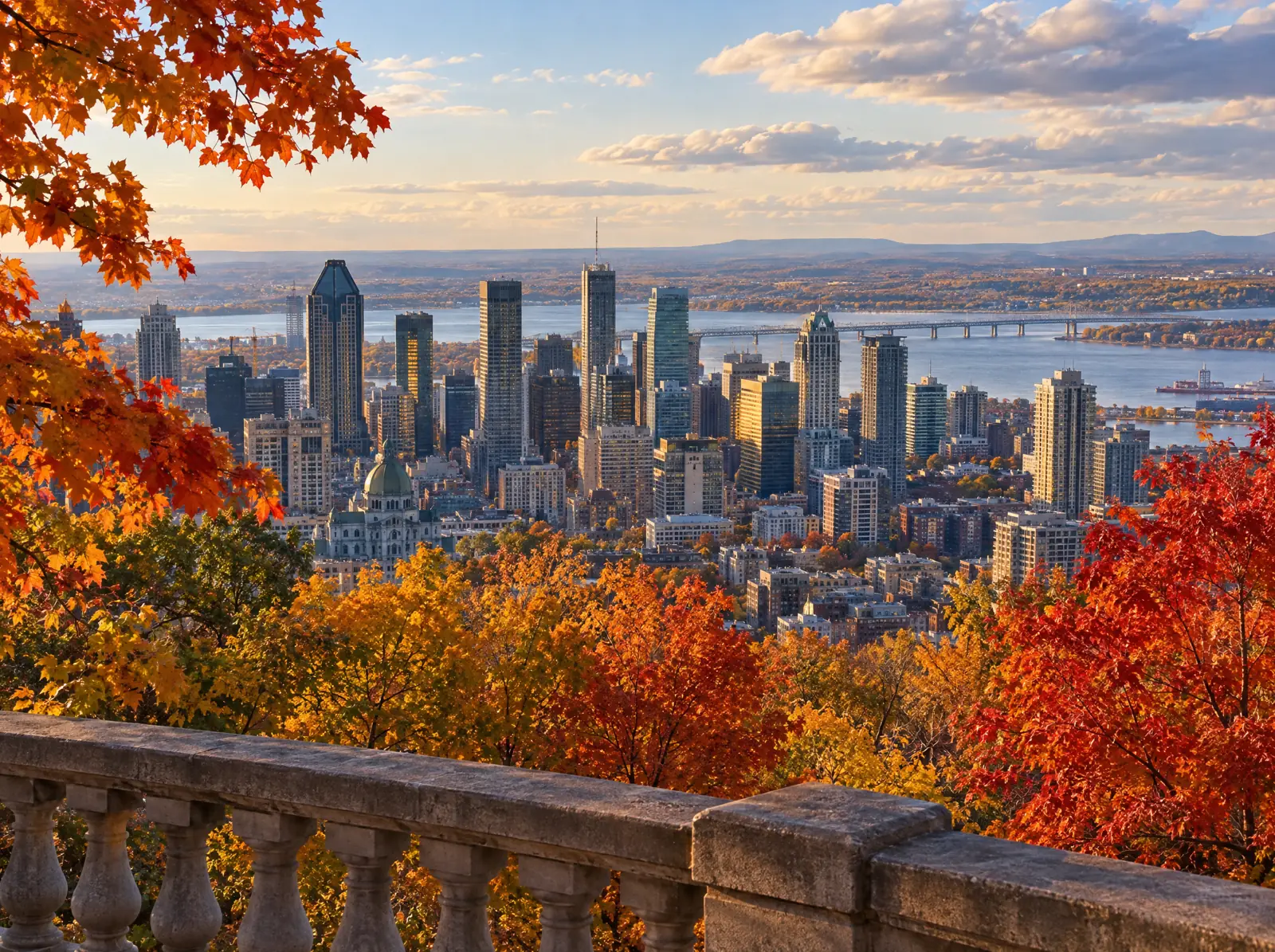
Mount Royal Park (Parc du Mont-Royal)

Designed by Frederick Law Olmsted, this green oasis overlooks the skyline. Hike to Kondiaronk Belvedere, relax at Beaver Lake, or join locals at the Tam-Tams drum circle on Sundays.

Sources: Expedia Travel Guide; Hotel Monville Blog


Old Port of Montreal (Vieux-Port)

A lively waterfront packed with restaurants, boat cruises, and La Grande Roue de Montréal, the tallest observation wheel in Canada.

Sources: YouTube Travel Guide; BIXI Montreal


Montreal Botanical Garden (Jardin botanique)

Part of Espace pour la Vie, this vast garden features themed sections and glass greenhouses — ideal for a quiet escape within the city.

Sources: Destination Canada; Hotel Monville


Where to Shop, Eat, and Experience Montreal’s Urban Energy

Sainte-Catherine Street (Rue Sainte-Catherine)

Downtown’s main artery for shopping and nightlife — home to major retailers, local boutiques, and Place des Arts for live performances.
Tip: Visit during summer when the street turns pedestrian-only for festivals.

Sources: Pointe-à-Callière Blog; Lemon8 Travel Post


Saint-Viateur Bagel

Taste the city’s most iconic snack — smaller, denser, and sweeter than New York bagels — baked fresh in wood-fired ovens since 1957.

Source: Hilton Travel Articles


What Science and Family Attractions Are Nearby?

Espace pour la Vie (Space for Life)

This scientific complex combines the Biodôme, Insectarium, Planetarium, and Botanical Garden, offering immersive experiences about ecosystems and astronomy.

Sources: Lonely Planet; Destination Canada


Where to Go for Nightlife and Entertainment Downtown?

When the sun sets, downtown transforms into an entertainment hub.

  • Crescent Street: Bars, terraces, and live music.

  • Place des Festivals: Open-air concerts and projections.

  • Pub Crawl Montreal: Guided nightlife tours through the city’s best clubs.

Sources: Pub Crawl MTL; Ezkapaz Montreal Guide


Quick Reference Table

Category Top Picks Why Visit
Culture & History Old Montreal, Notre-Dame Basilica, Pointe-à-Callière Architecture, museums, heritage
Outdoors Mount Royal Park, Old Port, Botanical Garden Views, walks, fresh air
Shopping & Food Sainte-Catherine Street, Saint-Viateur Bagel Fashion, dining, local flavor
Family & Science Espace pour la Vie Interactive learning
Nightlife Crescent Street, Place des Festivals Music, bars, nightlife

Final Thoughts

Downtown Montreal is more than a business district — it’s a cultural crossroads where every street corner tells a story. From the soaring arches of Notre-Dame Basilica to the green tranquility of Mount Royal, the area blends heritage, innovation, and joie de vivre like nowhere else in North America.

So bring comfortable shoes, an appetite, and curiosity — Montreal rewards explorers at every turn.


Primary Sources