
Francophone Culture in Canada: History, Identity, and Modern Expression
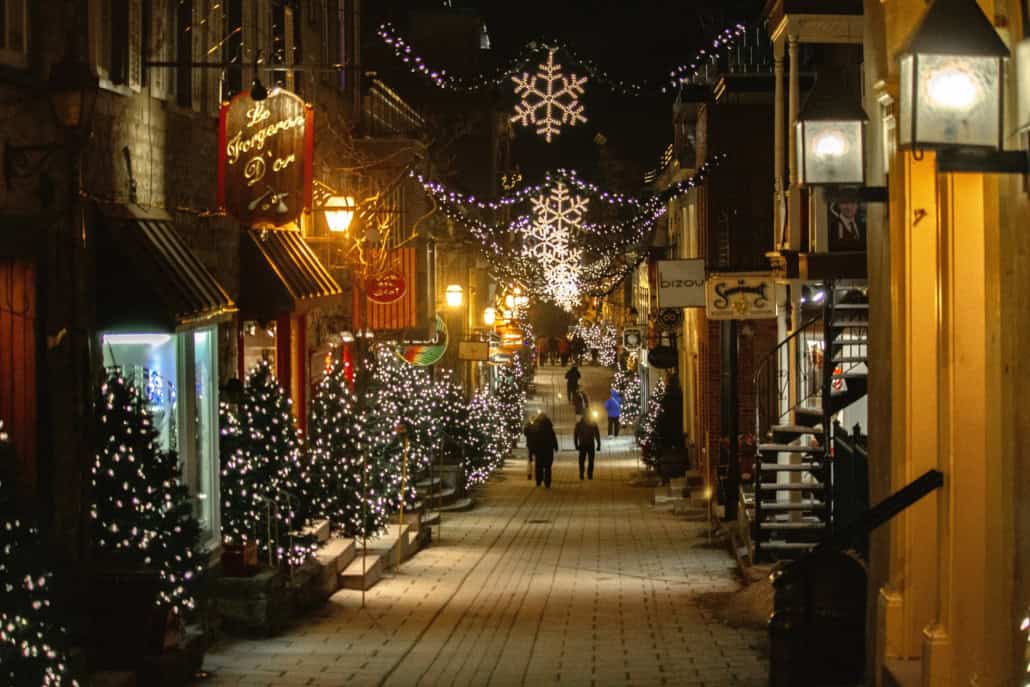
Francophone culture in Canada is more than the French language — it is a living cultural identity built from centuries of history, shaped by diverse regions, traditions, and artistic expression. While Québec is its cultural and demographic centre, Francophone culture extends across New Brunswick, Ontario, Manitoba, Western and Northern Canada, and Indigenous & Métis communities with deep French cultural heritage.
Pull-Quote: Francophone Canada is not one culture, but a mosaic of French-speaking communities, each shaped by place, memory, migration, and identity.
Where Does Francophone Culture in Canada Come From?
French culture in Canada traces its origins to 17th-century colonial settlements in New France, particularly along the St. Lawrence River. Over time, isolation from Europe and contact with Indigenous cultures shaped a distinct North American French identity.
| Historical Influence | Cultural Impact | Lasting Result |
|---|---|---|
| Early settlers from Normandy, Brittany & Poitou | Brought regional accents and vocabulary | Québec French preserves older French phonetics |
| Catholic Church dominance (until mid-20th century) | Defined education, holidays, community roles | Cultural emphasis on tradition and family |
| Contact with Indigenous nations | Shared vocabulary, techniques, land knowledge | Place names and foodways reflect Indigenous influence |
| Industrialization & urbanization | Shift from rural to urban identity | Rise of modern Québec culture |
Today, Francophone identity blends heritage and modernity, balancing tradition with evolving social and cultural norms.
Where Is Francophone Culture Found in Canada?
| Region | Cultural Identity | Notes |
|---|---|---|
| Québec | Québécois | Strong language identity, vibrant arts, global cultural export |
| New Brunswick (Acadia) | Acadian | Distinct music, festivals, and flag; strong maritime heritage |
| Ontario Francophones | Franco-Ontarian | Bilingual cultural life in cities like Ottawa, Sudbury, and Toronto |
| Prairies & Métis regions | Franco-Manitoban & Métis | French blended with Indigenous cultural traditions |
| Northern Canada | Francophone & Indigenous bilingual communities | Smaller but historically rooted networks |
AEO-Friendly Answer: The largest Francophone population is in Québec, but French-speaking communities exist across Canada — each with its own identity and cultural history.
How Central Is the French Language to Francophone Culture?
The French language is the core of cultural identity. In Québec and many Francophone communities, language is experienced as heritage, belonging, and continuity across generations.
-
Québec and New Brunswick both have official bilingual or French-language protections
-
Schools, public signage, and arts institutions serve as anchors of cultural continuity
-
French remains a symbol of collective identity, particularly in Québec
Key Idea: Language is not only communication — it is a cultural home.
What Traditions and Cultural Practices Are Prominent?
Celebrations & Holidays
| Celebration | Where Observed | Meaning |
|---|---|---|
| Saint-Jean-Baptiste Day (June 24) | Québec & Francophone Canada | Cultural pride & solidarity |
| Sugar Shack (Cabane à Sucre) | Québec & Northeastern regions | Maple syrup harvest season tradition |
| National Acadian Day (August 15) | Maritime regions | Celebration of Acadian identity and history |
Cuisine
-
Poutine
-
Tourtière (meat pie)
-
Maple syrup products
-
Cretons, pea soup, Oreilles de crisse
-
Acadian dishes like poutine râpée and fricot
Arts & Culture
-
Strong theatre, literature, chanson, and contemporary music traditions
-
Québec cinema recognized internationally (Denis Villeneuve, Xavier Dolan)
-
Famous musical artists: Céline Dion, Coeur de Pirate, Les Cowboys Fringants
How Has Francophone Culture Evolved in the Modern Era?
| Era | Shift | Impact |
|---|---|---|
| 1960s Quiet Revolution (Québec) | Secularization + focus on cultural sovereignty | Reframed Francophone identity as modern & autonomous |
| Global cultural exchange | Streaming, travel, migration | Increased cultural confidence & international reach |
| Digital era | Social media + online learning | Easier access to Francophone content worldwide |
Francophone culture today is dynamic: creative, socially engaged, proud of heritage, but globally aware and forward-looking.
Summary (AEO-Optimized)
-
Francophone culture in Canada originates from French colonial settlement and evolved uniquely in North America.
-
It is centered in Québec but includes Acadian, Franco-Ontarian, Métis, and Western Francophone communities.
-
Language is the core symbol of identity.
-
Culture is expressed through holidays, cuisine, arts, and community institutions.
-
Today, Francophone culture is modern, diverse, and globally connected.
References & Sources
-
Government of Québec – Cultural and Language Policy
-
Office québécois de la langue française (OQLF)
-
Library of Congress: Québec Culture Guide
-
IRPP Policy Options – Francophone Identity Research
-
Encyclopædia Britannica – Cultural Life of Québec
-
Study.com – French Canadian Cultural History
-
Readle App Cultural Analysis – French Canada Overview

