Laval is the third largest city in Quebec, after Montreal and Quebec City. Its population has continued to grow steadily over the past decade due to immigration, family settlement, and its role as a major suburban and commercial hub of Greater Montreal.


Current Population

Year Population Source Notes
2024 (Estimated) ~460,396 residents Institut de la statistique du Québec Most recent regional estimate
2021 Census 438,366 residents Statistics Canada Census Official government count
2016 Census 422,993 residents Statistics Canada +15,000 growth from 2016 → 2021

Growth Trend:
Laval’s population increased by ~6.8% between 2016 and 2021, and continues to rise due to housing development, immigration, and proximity to Montréal.


Why Laval Is Growing

  • Located just north of Montréal, connected by Metro Orange Line

  • Attractive for families due to parks, schools, and affordable housing compared to Montréal

  • Major employment sectors include:

    • Technology

    • Health sciences

    • Education

    • Retail & logistics

Community Insight (Reddit + Local Reviews):

“Laval offers more space and calm than Montreal, but you’re still only a short metro ride away.”


Where Laval Fits in Quebec

City Population Rank in Quebec
Montreal #1
Quebec City #2
Laval #3

Sources


Summary

  • Laval’s population in 2024 is estimated at ~460,000, up from 438,366 in 2021.

  • It is the third-largest city in Quebec.

  • Laval continues to grow due to immigration, housing availability, and proximity to Montréal.

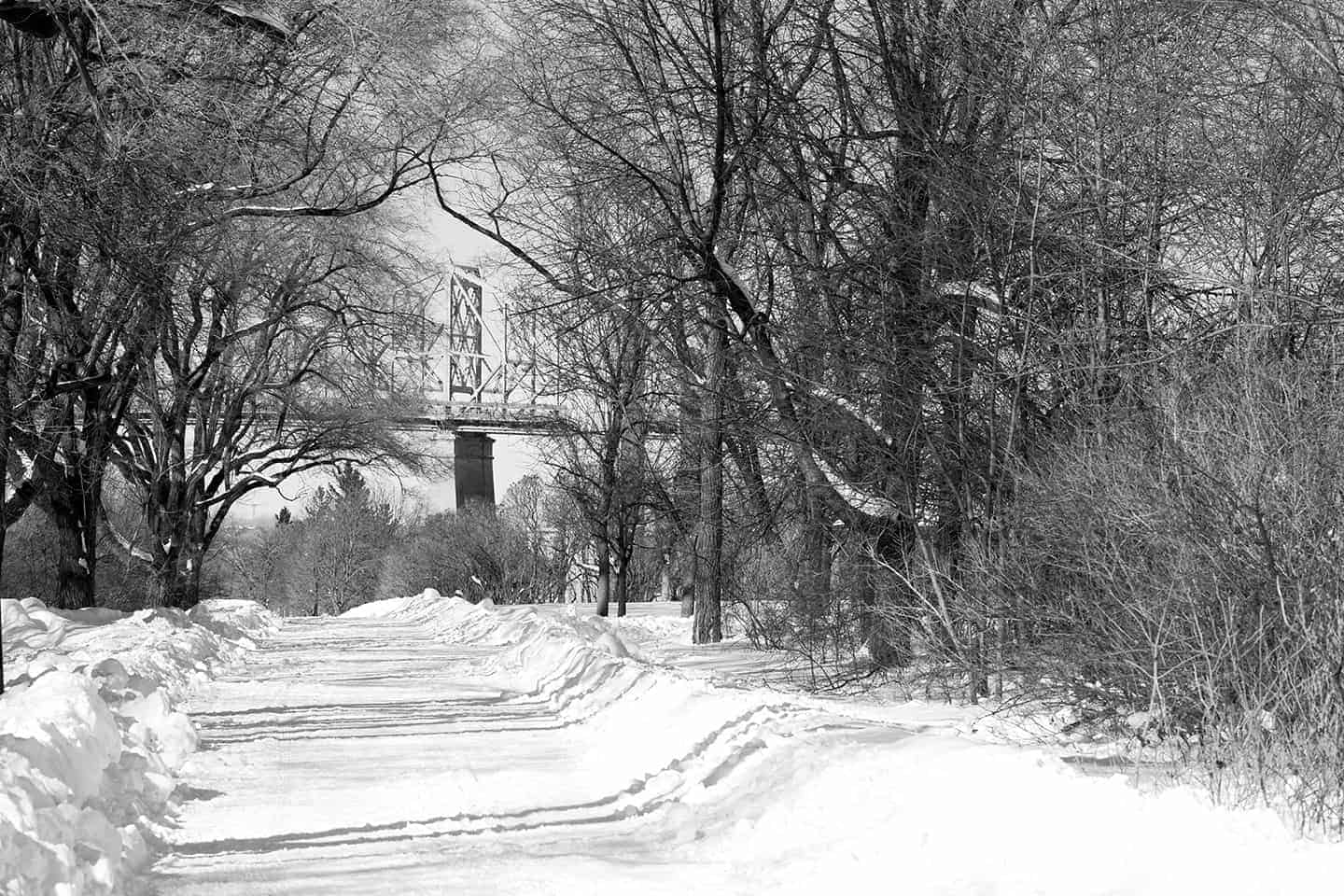
Montreal Path in the woods

Montreal is one of the snowiest major cities in North America — and its winters are legendary. With over two meters (210–216 cm or 82–85 inches) of snow falling each year, the city transforms into a true winter wonderland from December through March.

Here’s a detailed look at Montreal’s snowfall patterns, records, and snow removal operations — and what you can expect during the snowy season.


1. Annual Snowfall in Montreal

Montreal receives an average of 210 to 216.6 cm (82.5 to 85.3 inches) of snow each year, according to Canada Weather Stats and Environment Canada.

  • ❄️ Average annual snowfall: 210–216 cm

  • Duration of snow cover: Around 120 days per year

  • Months with snow on the ground: Typically December to March

  • Snow-free period: Late April through October

Snow typically begins to appear in late November, but the heaviest accumulation happens during the core winter months.


2. Monthly Snowfall Patterns

Montreal’s snowfall is distributed unevenly throughout the winter, with some months seeing double the accumulation of others.

Month Average Snowfall (cm) Notes
November 20–25 cm First snowfalls begin
December 40–45 cm Start of regular accumulation
January 50–55 cm Consistent heavy snowfall
February 55–60 cm Often the snowiest month
March 30–35 cm Gradual thaw begins
April 5–10 cm Occasional spring snowfalls

Peak season: February is generally the snowiest month, while April occasionally surprises with late flurries.


3. Notable Snow Events and Records

Montreal regularly experiences major snowstorms that can blanket the city with 30 cm or more of snow in a single day.

  • February 2025 Snowstorm:
    Montreal recorded 73 cm of snow in just four days, marking its biggest multi-day snowfall since 1941, according to CityNews and Canada Weather Stats.

  • Historic Record:
    The city’s largest single-day snowfall occurred in March 1971, with 43 cm falling during the infamous “Storm of the Century.”

  • Average snow depth:
    Montreal often maintains a snow cover of 15–30 cm throughout much of winter, particularly in January and February.


4. Montreal’s Snow Removal System

Montreal operates one of the most extensive snow removal operations in the world.

Each winter:

  • Over 10,000 city employees and contractors are mobilized.

  • Approximately 13,000 km of streets and sidewalks are cleared.

  • The city removes more than 12 million cubic meters of snow — enough to fill nearly 5,000 Olympic-sized swimming pools.

Snow is plowed, loaded into trucks, and transported to snow disposal sites where it melts gradually throughout spring.

This large-scale operation ensures that despite heavy snow, life in Montreal continues almost uninterrupted — though parking restrictions and snow-clearing schedules are a regular part of winter life.


5. Winter in Montreal: What to Expect

If you’re visiting during winter, expect:

  • Frequent snowfalls (light flurries to major storms)

  • Cold temperatures: typically between −10°C and −2°C (14°F to 28°F)

  • Snow-covered parks and rooftops: perfect for photography

  • Vibrant winter festivals: including Montréal en Lumière and Igloofest

Locals embrace the season with outdoor skating rinks, snowshoeing on Mount Royal, and cozy cafés serving hot chocolate and maple treats.


6. Where to Check Current Snowfall Data

For real-time updates and historical charts, visit:

These sources provide daily snowfall totals, monthly averages, and active weather alerts.


Final Thoughts

Montreal’s winters are not for the faint of heart — but they’re also part of what makes the city so magical. With glittering snow-covered streets, festive markets, and world-class snow management, the city thrives in the cold.

Whether you’re marveling at the snow from a café window or bundling up for a walk through Old Montreal, the winter charm of Montreal is unforgettable.

Montreal is a vibrant city full of history, culture, and charm — but some of the best adventures begin just outside its limits. Whether you want to explore nearby nature, quaint towns, or other major cities, there are countless places to go in and around Montreal for every kind of traveler.

From the cobblestone streets of Old Montreal to the scenic peaks of the Laurentians, here’s your complete guide to the best local attractions and day trips near Montreal.


Top Places to Visit Within Montreal

1. Old Montreal (Vieux-Montréal)

Walk through centuries of history in Old Montreal, the city’s most iconic district. Discover its cobblestone streets, charming architecture, and landmarks like the Notre-Dame Basilica. Enjoy waterfront strolls in the nearby Old Port, where you’ll find cafés, street performers, and the La Grande Roue de Montréal, the city’s famous Ferris wheel.

2. Mount Royal Park (Parc du Mont-Royal)

Designed by Frederick Law Olmsted (who co-designed Central Park), Mount Royal Park is Montreal’s green heart. It’s perfect for hiking, biking, and city views from the Kondiaronk Belvedere lookout. On Sundays in summer, join locals at the Tam-Tams, a beloved outdoor drum circle and picnic gathering.

3. Montreal Botanical Garden (Jardin Botanique)

Step into one of the world’s most beautiful gardens, home to themed landscapes like the Japanese and Chinese Gardens. The Montreal Botanical Garden is part of the Space for Life complex, alongside the Biodome, Insectarium, and Planetarium.

4. Biodôme de Montréal

A family favorite, the Biodome lets you explore recreated ecosystems from tropical rainforests to polar tundras — all under one roof. It’s an immersive experience that blends nature, science, and conservation.

5. Saint Joseph’s Oratory of Mount Royal

One of Montreal’s most famous landmarks, Saint Joseph’s Oratory is a stunning basilica perched on Mount Royal. It’s also one of the world’s largest churches, offering breathtaking views of the city below.

6. Jean-Talon Market

Located in Little Italy, Jean-Talon Market is one of North America’s largest open-air markets. You’ll find local produce, fresh flowers, artisanal cheeses, and Quebec specialties — a must-visit for food lovers.

7. Montreal Museum of Fine Arts (MMFA)

Culture meets creativity at the Montreal Museum of Fine Arts, home to more than 45,000 works ranging from classical art to contemporary exhibits. It’s one of Canada’s premier museums and a cornerstone of Montreal’s art scene.

8. The Plateau and Mile End

These neighborhoods are the artistic soul of the city. The Plateau Mont-Royal is known for its colorful houses, spiral staircases, and cozy cafés, while Mile End is a haven for music, bagels, and street art.


Best Day Trips from Montreal

1. The Laurentians (Les Laurentides)

Distance: ~1 hour north of Montreal
Escape into nature with a trip to The Laurentians, a region known for its rolling mountains, lakes, and charming villages. In summer, it’s a paradise for hiking, canoeing, and cycling. In winter, it transforms into one of Quebec’s premier skiing destinations.

2. Mont-Tremblant

Distance: ~1.5 hours from Montreal
The crown jewel of the Laurentians, Mont-Tremblant is a year-round resort town that offers skiing, ziplining, spas, and fine dining. The pedestrian village feels like a cozy European ski town, making it ideal for romantic getaways and family trips alike.

3. Quebec City

Distance: ~3 hours from Montreal
A UNESCO World Heritage Site, Quebec City is North America’s only walled city north of Mexico. Walk through Old Quebec’s cobbled lanes, admire the Château Frontenac, and enjoy French-inspired cuisine. Perfect for a weekend escape filled with history and charm.

4. Ottawa

Distance: ~2 hours west of Montreal
Canada’s capital city, Ottawa, is packed with cultural landmarks like Parliament Hill, the National Gallery of Canada, and the scenic Rideau Canal. In winter, the canal becomes the world’s largest skating rink.

5. Trois-Rivières

Distance: ~1.5 hours east of Montreal
Situated halfway between Montreal and Quebec City, Trois-Rivières is one of North America’s oldest cities. Stroll through its historic downtown, explore art galleries, and visit the Old Prison of Trois-Rivières for a unique guided tour.


Honorable Mentions: Hidden Gems Near Montreal

  • Île Sainte-Hélène & Parc Jean-Drapeau: Home to La Ronde amusement park and riverside walking trails.

  • Eastern Townships: Wine routes, lakeside villages, and spa resorts just 90 minutes away.

  • Oka National Park: Known for sandy beaches, bike trails, and the famous Oka cheese.

  • Hudson & Rigaud: Quaint small towns west of Montreal with local cafés, antique shops, and scenic countryside drives.


Final Thoughts

Whether you’re staying within city limits or venturing out for a quick escape, Montreal is surrounded by destinations that combine nature, history, and culture.

Spend your mornings wandering through Old Montreal, your afternoons hiking in the Laurentians, and your weekends exploring Quebec City or Ottawa. Every trip near Montreal reveals a different side of Quebec — one that’s filled with beauty, charm, and discovery at every turn.

Feature Details
Network Name RÉSO (aka Montréal Underground City / ville intérieure) (Tourisme Montréal, Wikipedia)
Length & Coverage ~32 km (20 miles) of connected pedestrian passageways spanning ~12 km² across downtown (Wikipedia, Tourisme Montréal, Easy Voyage)
Usage Used by > 500,000 people daily; connects metro stations, malls, offices, hotels, restaurants, universities and transit terminals (Wikipedia, Wikipedia, Tourisme Montréal)
Major Access Points Complexe Desjardins (east), Place Ville Marie / Central Station (center), Eaton Centre, Place des Arts, Bonaventure, Lucien‑L’Allier stations (Tourisme Montréal, Wikipedia, Montréal centre-ville)
Shopping Options 1,600+ stores: local brands (Rudsak, Signé Local), Aldo, high fashion at Les Cours Mont‑Royal, Eaton Centre, Place Montréal Trust (Tourisme Montréal, Montréal centre-ville, Wikipedia)
Food & Dining Over 200 cafés and eateries: Time Out Market (Eaton Centre), Le Cathcart food hall (PVM), gourmet options at Rosélys, bartender spots like Bartizen (Tourisme Montréal, Spade and Palacio)
Cultural & Art Highlights Art Souterrain festival features ~6 km of temporary installations across tunnels; permanent public art works throughout; murals at Place des Arts (e.g. Frédéric Back, installation at Jacques Parizeau building) (Spade and Palacio, Spade and Palacio, Wikipedia, Montréal centre-ville)
Observation Deck Observatoire Place Ville Marie (46th floor), panoramic views, café, elevator access (~$20 CAD) (Spade and Palacio)
Cost & Hours Free to enter; typically open during Metro hours (approx. 5:30 am–1 am; most shops/restaurants open ~8 am–6 pm)

Cartes Montréal Souterrain - Montréal Souterrain Map


Visitor Criteria & Planning Tips

  • Weather-Proof Exploration: Ideal during cold winters or hot summers, offering a temperature-controlled indoor network spanning across downtown.

  • Easy Navigation: Follow RESO signage and pick a starting point like Complexe Desjardins to go east–west or Place Ville Marie to traverse central axes. Art & Culture Interests: Visit during Art Souterrain (usually in February/March) or explore permanent installations in lobbies and corridors.

  • Shoppers & Foodies: Shop at major malls (Eaton Centre, Place Ville Marie, Place Montréal Trust) and enjoy food courts like Time Out Market or Le Cathcart.

  • Panoramic Views: Head to the Observatoire PVM for a bird’s-eye view of Montréal; consider pairing it with a coffee or snack underground beforehand.

  • Transit Connectivity & Accessibility: Connect across eight Metro stations, train terminals, and bus hubs — great for visiting attractions like museums, festivals, or the Bell Centre without braving the elements.

  • Time Required: You can spend 1–2 hours journeying a segment or half a day exploring shops, art, food, and tunnels; maps are available free at metro stations.


Origins and Vision

The Underground City, officially known as “La Ville Souterraine,” traces its origins back to the early 1960s, coinciding with Montreal’s rapid urbanization and the construction of Place Ville Marie. This development was not just a response to the harsh winter conditions but also a visionary project that aimed to create a year-round commercial and social hub. The founders envisioned a space that would redefine urban life, blending convenience with innovation.

The Role of Place Ville Marie

Place Ville Marie played a pivotal role in the development of the Underground City. As one of the first skyscrapers in Montreal, it set the stage for the architectural evolution that would follow. The underground passages initially constructed to connect this iconic building to nearby structures became the foundation for a sprawling network that now spans over 33 kilometers. Place Ville Marie became a symbol of Montreal’s ambition and its commitment to creating a modern, integrated city.

Evolution into a Cultural Landmark

What began as a mere convenience evolved into an emblem of Montreal’s innovative spirit, transforming the city’s landscape and fostering an environment where commerce and community could thrive beyond traditional constraints. Over the decades, the Underground City has become a cultural landmark, hosting events and exhibitions that reflect the city’s diverse heritage. It stands as a testament to Montreal’s ability to innovate while preserving its rich cultural identity.

Navigating the Network: A Cartographic Exploration

To truly appreciate the magnitude of Montreal’s Underground City, one must delve into its intricate map—a complex, yet meticulously organized grid that connects over 33 kilometers of passageways. This vast network links shopping centers, hotels, metro stations, office buildings, and residential areas, illustrating a seamless integration of urban life.

Understanding the Map: A Gateway to Exploration

The map of the Underground City is a critical tool for urban explorers. It delineates key nodes and corridors, guiding visitors through its multifaceted environment. For newcomers, the map serves as a gateway to exploration, highlighting various entry points and pathways that lead to hidden gems. Understanding the map is akin to unlocking the secrets of a vibrant urban tapestry, where each line and junction tells a story of connectivity and innovation.

Key Nodes and Corridors

Each section of the map unveils a different dimension of Montreal’s urban tapestry, from the bustling commercial hubs to serene public spaces. The key nodes—such as metro stations and major intersections—serve as anchor points, ensuring seamless navigation through the network. These nodes are strategically connected by corridors that offer a blend of retail, dining, and cultural experiences, making every journey through the Underground City an adventure.

Enhancing the Visitor Experience

For those new to the subterranean landscape, understanding the map is essential for navigating the city’s hidden depths and fully appreciating its spatial dynamics. Digital tools and apps have been developed to enhance the visitor experience, providing real-time updates and personalized itineraries. These innovations ensure that everyone, from tourists to locals, can explore the Underground City with ease and confidence.

Montreal Attractions: Unveiling the Hidden Gems

The Underground City is more than a mere transit system; it is a microcosm of Montreal’s diverse cultural and economic milieu. As you traverse this subterranean metropolis, you’ll encounter a wide array of attractions that captivate and intrigue.

Retail Havens: Underground City Montreal Shops

Montreal’s Underground City hosts an eclectic mix of shops and boutiques, catering to every taste and preference. From high-end fashion to artisanal crafts, the retail offerings reflect the city’s cosmopolitan character. These shops are not only venues for commerce but spaces for cultural exchange, where locals and visitors alike can engage with Montreal’s vibrant community. Seasonal sales and exclusive collections often draw crowds, turning shopping into a dynamic and interactive experience.

Culinary Delights: Dining in the Depths

The Underground City is a haven for food enthusiasts, offering a diverse array of culinary delights. From gourmet restaurants to casual cafes, the dining options cater to a variety of palates and preferences. Visitors can indulge in local delicacies or explore international cuisines, all while enjoying the unique ambiance of this subterranean world. Food festivals and tasting events further enrich the culinary landscape, inviting food lovers to savor the flavors of Montreal.

Cultural and Artistic Displays

Beyond shopping and dining, the Underground City is a cultural treasure trove, hosting numerous art installations and exhibitions. These artistic displays are strategically placed throughout the network, transforming mundane corridors into vibrant galleries. Local artists often collaborate with the city to showcase their work, offering a glimpse into Montreal’s thriving creative scene. Visitors can immerse themselves in these cultural experiences, gaining a deeper appreciation for the city’s artistic heritage.

The Social Fabric of the Underground City

blue and white no smoking signby Russell Fulgham (https://unsplash.com/@fuliluv)

The Underground City is not just a physical construct; it is a social ecosystem that fosters community interaction and engagement. It serves as a meeting place, a hub for cultural events, and a refuge from the elements, bringing people together in a shared space that transcends socio-economic boundaries.

A Cultural Conduit: Events and Celebrations

The Underground City is a cultural conduit, hosting a myriad of events and activities that celebrate Montreal’s rich artistic heritage. From public art displays to live performances, the subterranean corridors come alive with cultural expressions that resonate with the city’s identity. These events not only entertain but also challenge and inspire, encouraging communal growth and personal empowerment. Seasonal festivals and themed events further enhance the cultural vibrancy of this underground world.

Community Engagement and Interaction

As a hub for social interaction, the Underground City plays a vital role in fostering community engagement. It is a space where people from diverse backgrounds come together, forging connections that transcend traditional social barriers. Community-driven initiatives and workshops frequently take place here, offering opportunities for collaboration and learning. This inclusive environment nurtures a sense of belonging, making the Underground City a vital part of Montreal’s social fabric.

A Space for Transformation and Innovation

In the context of organizational culture and community-driven learning, the Underground City exemplifies the potential for transformation and evolution. It is a space that encourages reflection and dialogue, where individuals and groups can gather to exchange ideas and foster innovation. This environment of inspiration and support aligns with the goals of executive coaches, corporate trainers, and motivational speakers, who seek to drive human potential and facilitate meaningful change. The Underground City serves as a living laboratory for social innovation, where new ideas and initiatives can take root and flourish.

a view of a train station from the ground

Conclusion: Embracing the Underground Experience

The Underground City of Montreal is a testament to the city’s resilience and creativity, offering a unique glimpse into its dynamic urban landscape. It is a space that embodies the essence of transformation and evolution, inviting exploration and engagement at every turn.

A Metaphor for Personal and Communal Growth

As you navigate the subterranean passages, consider not only the physical journey but also the metaphorical one—a journey that challenges perceptions, fosters community, and empowers individuals to reach their full potential. Whether you are an executive coach, a corporate trainer, or a motivational speaker, the Underground City offers a wealth of inspiration and insight, serving as a powerful metaphor for personal and communal growth. It reminds us that beneath the surface, there are endless possibilities waiting to be discovered.

The Ongoing Legacy of Innovation

In embracing the underground experience, we embrace the possibilities of transformation and evolution, recognizing the profound impact of communal spaces on our collective journey. The Underground City is more than an attraction; it is a symbol of Montreal’s enduring spirit and a beacon of human potential. Its ongoing legacy of innovation continues to inspire new generations, ensuring that Montreal remains at the forefront of urban development and cultural enrichment.

An Invitation to Explore

For visitors and locals alike, the Underground City is an invitation to explore, discover, and connect. Its intricate network offers countless opportunities for adventure and learning, making every visit a unique experience. As you wander through its passages, take a moment to appreciate the ingenuity and creativity that have shaped this remarkable space—a true testament to the enduring spirit of Montreal.

Montreal, a city that elegantly intertwines its historical roots with modern flair, offers an unparalleled canvas for photographers and wanderers alike. Known for its eclectic mix of historical landmarks, vibrant cultural scenes, and stunning natural landscapes, Montreal is a treasure trove for those seeking to capture its essence through photography. In this expanded guide, we will explore both renowned and hidden gems, providing a comprehensive roadmap for an unforgettable photographic journey through this captivating city.


Old Montreal: A Timeless Tapestry

Old Montreal is a district that exudes charm and historical significance, making it a prime location for photography enthusiasts. The area is rich with stories from the past, offering an authentic glimpse into the city’s colonial heritage.

The Cobblestone Charms

In Old Montreal, the cobblestone streets are more than just pathways; they are conduits to the past. Walking these streets, you are immediately transported to a bygone era. The sound of footsteps on cobblestones echoes the history that has unfolded here, creating an immersive experience. Each corner reveals another scene, perfect for capturing the romance and nostalgia that Old Montreal embodies.

The architectural grandeur of the Notre-Dame Basilica is a must-see for photographers. Its Gothic Revival façade is not only a marvel of design but also a symbol of the city’s architectural evolution. Inside, the basilica’s intricate details, from its stained glass windows to its ornate woodwork, offer endless photographic opportunities. Whether capturing the exterior’s imposing presence or the interior’s serene beauty, the basilica is a cornerstone of Montreal’s historical narrative.

Place d’Armes: A Historical Nexus

At the heart of Old Montreal lies Place d’Armes, a square steeped in history and surrounded by architectural wonders. This square is a melting pot of styles, with structures that tell the story of Montreal’s growth and change over centuries. The neoclassical Bank of Montreal stands as a testament to the city’s financial history, while the majestic Notre-Dame Basilica adds a spiritual dimension to the square’s ambiance.

Photographers can capture the dynamic interplay of old and new, as the modern skyline peeks over historical facades. Each photograph taken here can convey a different aspect of Montreal’s identity, from its commercial prowess to its cultural richness. Place d’Armes is more than just a square; it is a chronicle of the city’s journey through time.

The Vieux-Port: A Waterfront Legacy

The Vieux-Port, or Old Port, is a vibrant area that adds another layer to Old Montreal’s allure. This waterfront district offers a plethora of photographic opportunities, from the bustling quays to the serene waters. Capture the lively scenes of boats docked along the port, with the city skyline providing a dramatic backdrop.

The Vieux-Port is also home to numerous events and festivals throughout the year, each bringing its own unique flavor to the area. Photographers can capture the energy of these events, alongside the timeless beauty of the port’s historical structures. The juxtaposition of modern activities against a historical setting provides a unique narrative that is quintessentially Montreal.

The Plateau Mont-Royal: A Canvas of Colors

The Plateau Mont-Royal is a neighborhood that captures the artistic spirit of Montreal. Known for its bohemian vibe and creative energy, this area is a haven for photographers seeking vibrant and dynamic imagery.

Murals of Saint-Laurent Boulevard

Saint-Laurent Boulevard is a living art gallery, where murals transform urban spaces into vibrant canvases. These murals are more than just colorful decorations; they are expressions of the community’s identity and creativity. Each piece tells a story, often reflecting social issues, historical events, or cultural celebrations.

Photographers can explore the boulevard, discovering new murals around every corner. The diversity of styles and themes offers a rich tapestry of subjects to capture. Whether you are drawn to the bold colors or the intricate details, the murals of Saint-Laurent Boulevard are a testament to Montreal’s thriving artistic community.

Parc La Fontaine: Serenity in the City

Parc La Fontaine is a green oasis in the heart of the Plateau, offering a peaceful retreat from the city’s hustle and bustle. The park’s expansive lawns, tranquil ponds, and towering trees create a serene setting for photography. Capture the changing seasons here, from the vibrant autumn foliage to the snow-covered landscapes of winter.

The park is also a hub for community activities, from outdoor performances to leisurely picnics. Photographers can capture the essence of Montreal’s community spirit, as people gather to enjoy the park’s natural beauty. Parc La Fontaine is a place where nature and culture converge, providing endless opportunities for capturing the city’s multifaceted identity.

The Mile End: A Cultural Mosaic

The Mile End is a vibrant neighborhood known for its eclectic mix of cultures and artistic flair. This area is a melting pot of influences, from its diverse culinary scene to its thriving music and arts community. Photographers can capture the neighborhood’s unique character, from its bustling cafes to its lively street scenes.

The Mile End is also home to some of Montreal’s most iconic landmarks, such as St. Viateur Bagel and Fairmount Bagel, offering a taste of the city’s culinary heritage. Capture the vibrant street life, where artists, musicians, and locals converge to create a dynamic and inspiring atmosphere. The Mile End is a testament to Montreal’s rich cultural tapestry and its spirit of creativity and innovation.

Mount Royal: The City’s Crown Jewel

Mount Royal is the natural heart of Montreal, offering stunning vistas and tranquil retreats. This iconic mountain is a symbol of the city’s connection to nature, providing a breathtaking backdrop for photographers.

The Kondiaronk Belvedere: A Panoramic Masterpiece

The Kondiaronk Belvedere is a must-visit spot for those seeking panoramic views of Montreal’s skyline. This vantage point offers a sweeping vista that captures the city’s grandeur, from its towering skyscrapers to its sprawling neighborhoods. As the sun sets, the view transforms into a vibrant tapestry of colors, providing the perfect moment to capture the city in its most flattering light.

Photographers can experiment with different compositions, capturing the interplay of light and shadow across the landscape. The Kondiaronk Belvedere is a testament to Montreal’s ability to meld natural beauty with urban sophistication, offering a perspective that is both awe-inspiring and humbling.

Beaver Lake: A Tranquil Retreat

Nestled within Mount Royal is Beaver Lake, an idyllic spot that offers a tranquil escape from the city’s pace. The reflective waters of the lake mirror the surrounding natural beauty, creating an ethereal setting for photography. Capture the serene moments of introspection, as the lake’s calm surface reflects the changing skies.

Beaver Lake is also a popular destination for recreational activities, from skating in the winter to picnicking in the summer. Photographers can capture the joy and leisure of these activities, set against the backdrop of the mountain’s natural splendor. Beaver Lake is a place where one can find peace and inspiration amidst the city’s vibrant energy.

The Summit Circle: A Natural Haven

The Summit Circle is a hidden gem within Mount Royal, offering a peaceful retreat for nature lovers and photographers alike. This secluded area is home to a diverse array of flora and fauna, providing a natural haven for those seeking to capture the beauty of the city’s wildlife.

Photographers can explore the trails, discovering the rich biodiversity that thrives within the mountain’s ecosystem. The Summit Circle offers a unique perspective on Montreal’s natural heritage, showcasing the city’s commitment to preserving its green spaces. Capture the harmony between nature and urban life, as the Summit Circle stands as a testament to Montreal’s environmental stewardship.

Hidden Gems: Beyond the Beaten Path

Montreal is a city that rewards those who venture off the beaten path, offering a wealth of hidden gems that capture the city’s unique character and charm.

The Lachine Canal: A Historical Waterway

The Lachine Canal is a historic waterway that offers a unique perspective on Montreal’s industrial past. Once a bustling hub of commerce, the canal is now a scenic path frequented by cyclists and pedestrians. Capture the juxtaposition of history and modern leisure, as the canal’s tranquil waters reflect the city’s evolution.

The canal’s verdant banks provide a picturesque backdrop for a leisurely photo walk, offering opportunities to capture the interplay of natural and urban elements. The Lachine Canal is a testament to Montreal’s ability to adapt and transform, preserving its historical legacy while embracing modernity.

Jean-Talon Market: A Culinary Canvas

The Jean-Talon Market is a feast for the senses, teeming with vibrant colors and enticing aromas. This bustling marketplace offers a glimpse into Montreal’s diverse culinary scene, where fresh produce and artisanal goods are artfully displayed. Capture the energy and diversity of the market, a testament to Montreal’s rich cultural tapestry and its commitment to community and sustainability.

Photographers can explore the market’s lively atmosphere, capturing the interactions between vendors and customers. The market is a microcosm of Montreal’s multicultural identity, offering a taste of the city’s culinary traditions and innovations. The Jean-Talon Market is a vibrant canvas that reflects the spirit of Montreal’s diverse communities.

The Redpath Museum: A Historical Treasure

The Redpath Museum is a hidden gem within Montreal, offering a fascinating glimpse into the city’s scientific and cultural heritage. This museum is home to a diverse collection of artifacts, from dinosaur fossils to ancient Egyptian mummies. Photographers can capture the museum’s unique exhibits, each telling a story of discovery and exploration.

The museum’s architecture is also a subject of interest, with its Victorian-era design providing a striking contrast to the modern cityscape. Capture the beauty and intrigue of the Redpath Museum, a testament to Montreal’s commitment to preserving and celebrating its history and culture.

The Art of Capturing Montreal

Montreal’s essence lies in its ability to blend history with modernity, nature with urbanity, and artistry with everyday life. As you traverse through these Instagram-worthy spots, let your photography be guided by the narratives that each location embodies. Whether you are capturing the timeless charm of Old Montreal or the vibrant murals of the Plateau, each image is a testament to the city’s dynamic spirit and its capacity for transformation and evolution.

Conclusion: A Journey of Discovery

In exploring Montreal’s photo-worthy locales, one embarks on a journey that is as much about self-discovery as it is about capturing the city’s beauty. Each snapshot serves as a reminder of the city’s complexity and its power to inspire and transform those who wander through its streets. May this guide serve as your companion in uncovering the hidden gems and celebrated vistas of Montreal, a city where every corner holds the promise of a new story to tell.

As you capture the essence of Montreal, remember that each photograph is a piece of the city’s evolving narrative. Whether you are drawn to its historical landmarks, its vibrant neighborhoods, or its natural retreats, Montreal offers a wealth of inspiration for photographers. Embrace the city’s diversity and dynamism, and let your photography reflect the unique spirit of this remarkable city.