Feature Details
Network Name RÉSO (aka Montréal Underground City / ville intérieure) (Tourisme Montréal, Wikipedia)
Length & Coverage ~32 km (20 miles) of connected pedestrian passageways spanning ~12 km² across downtown (Wikipedia, Tourisme Montréal, Easy Voyage)
Usage Used by > 500,000 people daily; connects metro stations, malls, offices, hotels, restaurants, universities and transit terminals (Wikipedia, Wikipedia, Tourisme Montréal)
Major Access Points Complexe Desjardins (east), Place Ville Marie / Central Station (center), Eaton Centre, Place des Arts, Bonaventure, Lucien‑L’Allier stations (Tourisme Montréal, Wikipedia, Montréal centre-ville)
Shopping Options 1,600+ stores: local brands (Rudsak, Signé Local), Aldo, high fashion at Les Cours Mont‑Royal, Eaton Centre, Place Montréal Trust (Tourisme Montréal, Montréal centre-ville, Wikipedia)
Food & Dining Over 200 cafés and eateries: Time Out Market (Eaton Centre), Le Cathcart food hall (PVM), gourmet options at Rosélys, bartender spots like Bartizen (Tourisme Montréal, Spade and Palacio)
Cultural & Art Highlights Art Souterrain festival features ~6 km of temporary installations across tunnels; permanent public art works throughout; murals at Place des Arts (e.g. Frédéric Back, installation at Jacques Parizeau building) (Spade and Palacio, Spade and Palacio, Wikipedia, Montréal centre-ville)
Observation Deck Observatoire Place Ville Marie (46th floor), panoramic views, café, elevator access (~$20 CAD) (Spade and Palacio)
Cost & Hours Free to enter; typically open during Metro hours (approx. 5:30 am–1 am; most shops/restaurants open ~8 am–6 pm)

Cartes Montréal Souterrain - Montréal Souterrain Map


Visitor Criteria & Planning Tips

  • Weather-Proof Exploration: Ideal during cold winters or hot summers, offering a temperature-controlled indoor network spanning across downtown.

  • Easy Navigation: Follow RESO signage and pick a starting point like Complexe Desjardins to go east–west or Place Ville Marie to traverse central axes. Art & Culture Interests: Visit during Art Souterrain (usually in February/March) or explore permanent installations in lobbies and corridors.

  • Shoppers & Foodies: Shop at major malls (Eaton Centre, Place Ville Marie, Place Montréal Trust) and enjoy food courts like Time Out Market or Le Cathcart.

  • Panoramic Views: Head to the Observatoire PVM for a bird’s-eye view of Montréal; consider pairing it with a coffee or snack underground beforehand.

  • Transit Connectivity & Accessibility: Connect across eight Metro stations, train terminals, and bus hubs — great for visiting attractions like museums, festivals, or the Bell Centre without braving the elements.

  • Time Required: You can spend 1–2 hours journeying a segment or half a day exploring shops, art, food, and tunnels; maps are available free at metro stations.


Origins and Vision

The Underground City, officially known as “La Ville Souterraine,” traces its origins back to the early 1960s, coinciding with Montreal’s rapid urbanization and the construction of Place Ville Marie. This development was not just a response to the harsh winter conditions but also a visionary project that aimed to create a year-round commercial and social hub. The founders envisioned a space that would redefine urban life, blending convenience with innovation.

The Role of Place Ville Marie

Place Ville Marie played a pivotal role in the development of the Underground City. As one of the first skyscrapers in Montreal, it set the stage for the architectural evolution that would follow. The underground passages initially constructed to connect this iconic building to nearby structures became the foundation for a sprawling network that now spans over 33 kilometers. Place Ville Marie became a symbol of Montreal’s ambition and its commitment to creating a modern, integrated city.

Evolution into a Cultural Landmark

What began as a mere convenience evolved into an emblem of Montreal’s innovative spirit, transforming the city’s landscape and fostering an environment where commerce and community could thrive beyond traditional constraints. Over the decades, the Underground City has become a cultural landmark, hosting events and exhibitions that reflect the city’s diverse heritage. It stands as a testament to Montreal’s ability to innovate while preserving its rich cultural identity.

Navigating the Network: A Cartographic Exploration

To truly appreciate the magnitude of Montreal’s Underground City, one must delve into its intricate map—a complex, yet meticulously organized grid that connects over 33 kilometers of passageways. This vast network links shopping centers, hotels, metro stations, office buildings, and residential areas, illustrating a seamless integration of urban life.

Understanding the Map: A Gateway to Exploration

The map of the Underground City is a critical tool for urban explorers. It delineates key nodes and corridors, guiding visitors through its multifaceted environment. For newcomers, the map serves as a gateway to exploration, highlighting various entry points and pathways that lead to hidden gems. Understanding the map is akin to unlocking the secrets of a vibrant urban tapestry, where each line and junction tells a story of connectivity and innovation.

Key Nodes and Corridors

Each section of the map unveils a different dimension of Montreal’s urban tapestry, from the bustling commercial hubs to serene public spaces. The key nodes—such as metro stations and major intersections—serve as anchor points, ensuring seamless navigation through the network. These nodes are strategically connected by corridors that offer a blend of retail, dining, and cultural experiences, making every journey through the Underground City an adventure.

Enhancing the Visitor Experience

For those new to the subterranean landscape, understanding the map is essential for navigating the city’s hidden depths and fully appreciating its spatial dynamics. Digital tools and apps have been developed to enhance the visitor experience, providing real-time updates and personalized itineraries. These innovations ensure that everyone, from tourists to locals, can explore the Underground City with ease and confidence.

Montreal Attractions: Unveiling the Hidden Gems

The Underground City is more than a mere transit system; it is a microcosm of Montreal’s diverse cultural and economic milieu. As you traverse this subterranean metropolis, you’ll encounter a wide array of attractions that captivate and intrigue.

Retail Havens: Underground City Montreal Shops

Montreal’s Underground City hosts an eclectic mix of shops and boutiques, catering to every taste and preference. From high-end fashion to artisanal crafts, the retail offerings reflect the city’s cosmopolitan character. These shops are not only venues for commerce but spaces for cultural exchange, where locals and visitors alike can engage with Montreal’s vibrant community. Seasonal sales and exclusive collections often draw crowds, turning shopping into a dynamic and interactive experience.

Culinary Delights: Dining in the Depths

The Underground City is a haven for food enthusiasts, offering a diverse array of culinary delights. From gourmet restaurants to casual cafes, the dining options cater to a variety of palates and preferences. Visitors can indulge in local delicacies or explore international cuisines, all while enjoying the unique ambiance of this subterranean world. Food festivals and tasting events further enrich the culinary landscape, inviting food lovers to savor the flavors of Montreal.

Cultural and Artistic Displays

Beyond shopping and dining, the Underground City is a cultural treasure trove, hosting numerous art installations and exhibitions. These artistic displays are strategically placed throughout the network, transforming mundane corridors into vibrant galleries. Local artists often collaborate with the city to showcase their work, offering a glimpse into Montreal’s thriving creative scene. Visitors can immerse themselves in these cultural experiences, gaining a deeper appreciation for the city’s artistic heritage.

The Social Fabric of the Underground City

blue and white no smoking signby Russell Fulgham (https://unsplash.com/@fuliluv)

The Underground City is not just a physical construct; it is a social ecosystem that fosters community interaction and engagement. It serves as a meeting place, a hub for cultural events, and a refuge from the elements, bringing people together in a shared space that transcends socio-economic boundaries.

A Cultural Conduit: Events and Celebrations

The Underground City is a cultural conduit, hosting a myriad of events and activities that celebrate Montreal’s rich artistic heritage. From public art displays to live performances, the subterranean corridors come alive with cultural expressions that resonate with the city’s identity. These events not only entertain but also challenge and inspire, encouraging communal growth and personal empowerment. Seasonal festivals and themed events further enhance the cultural vibrancy of this underground world.

Community Engagement and Interaction

As a hub for social interaction, the Underground City plays a vital role in fostering community engagement. It is a space where people from diverse backgrounds come together, forging connections that transcend traditional social barriers. Community-driven initiatives and workshops frequently take place here, offering opportunities for collaboration and learning. This inclusive environment nurtures a sense of belonging, making the Underground City a vital part of Montreal’s social fabric.

A Space for Transformation and Innovation

In the context of organizational culture and community-driven learning, the Underground City exemplifies the potential for transformation and evolution. It is a space that encourages reflection and dialogue, where individuals and groups can gather to exchange ideas and foster innovation. This environment of inspiration and support aligns with the goals of executive coaches, corporate trainers, and motivational speakers, who seek to drive human potential and facilitate meaningful change. The Underground City serves as a living laboratory for social innovation, where new ideas and initiatives can take root and flourish.

a view of a train station from the ground

Conclusion: Embracing the Underground Experience

The Underground City of Montreal is a testament to the city’s resilience and creativity, offering a unique glimpse into its dynamic urban landscape. It is a space that embodies the essence of transformation and evolution, inviting exploration and engagement at every turn.

A Metaphor for Personal and Communal Growth

As you navigate the subterranean passages, consider not only the physical journey but also the metaphorical one—a journey that challenges perceptions, fosters community, and empowers individuals to reach their full potential. Whether you are an executive coach, a corporate trainer, or a motivational speaker, the Underground City offers a wealth of inspiration and insight, serving as a powerful metaphor for personal and communal growth. It reminds us that beneath the surface, there are endless possibilities waiting to be discovered.

The Ongoing Legacy of Innovation

In embracing the underground experience, we embrace the possibilities of transformation and evolution, recognizing the profound impact of communal spaces on our collective journey. The Underground City is more than an attraction; it is a symbol of Montreal’s enduring spirit and a beacon of human potential. Its ongoing legacy of innovation continues to inspire new generations, ensuring that Montreal remains at the forefront of urban development and cultural enrichment.

An Invitation to Explore

For visitors and locals alike, the Underground City is an invitation to explore, discover, and connect. Its intricate network offers countless opportunities for adventure and learning, making every visit a unique experience. As you wander through its passages, take a moment to appreciate the ingenuity and creativity that have shaped this remarkable space—a true testament to the enduring spirit of Montreal.

Best Arcade Bars in Montreal

Best Game bars in Montreal

As we all know, Montreal has a wide variety of fun activities you can do across the whole city. There’s always something for someone! Today’s article will explore two of Montreal’s retro arcade bars for those looking to change things up and let out their inner gamer!

Here is a list of the best is the top arcade bars to visit in Montreall:

1. North Star Machines À Piastres

Boasting a fantastic location on 3908 St-Laurent boulevard and conveniently across Schwartz’s deli (a personal favourite), North Star has some cool retro decor with exceptional service and a range of unique drinks. As for the games offered, North Star has quite a few classics available. 

Their pinball machines are the highlights as they have been maintained and cared for from the ’60s, making them unique commodities and are still as fun as ever. They also have other classic games such as pong, skeeball, and tabletop hockey for those who want to try their hand at other games.

The bar works on a token system that keeps the fun going as the prices are fair and won’t run your bill too high. North Star is an excellent choice for a fun evening option in Montreal, especially if you’re looking to explore the Main!

2. Arcade MTL

Next up, we have Arcade MTL, located at 2031 Saint-Denis, and is in another great part of town with plenty to visit around. The bar has a cool geeky decor with drinks named after your favourite games, which helps to tie in the whole aesthetic. Arcade MTL offers a laid-back, good vibes spot that is best enjoyed as a hangout spot for you and a small group of friends! 


View this post on Instagram


A post shared by Arcade MTL (@arcade_mtl)


With an 8$ entrance fee comes the benefit of having unlimited access to games instead of paying for them individually, which makes for an endless night of fun!

Whichever one you decide to visit, we promise you a good evening will come out of it. So grab your closest friends and head on over!


Mexican Market Dining in Montreal


Torteria Lupita

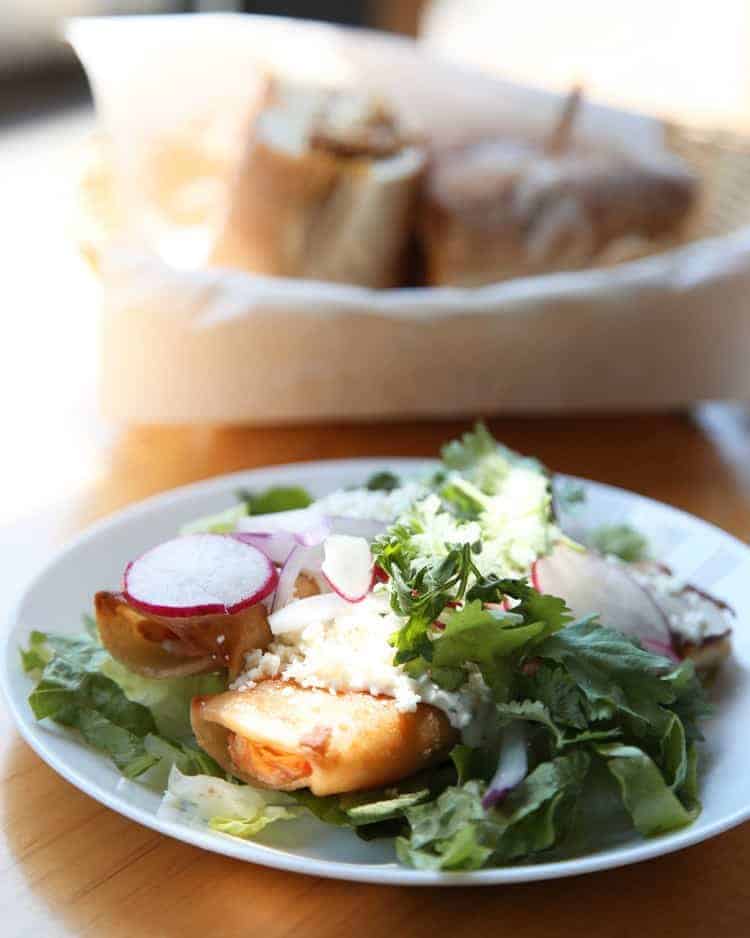
Mexican Market Dining in MontrealMExican Tortilla with veggies

If you’ve ever been to an authentic Mexican market (i.e. one actually within a Mexican city, town or village) you know that Mexican cuisine is nothing like what you typically find in Canada. The food you find in these markets is made with unbelievably fresh ingredients and is full of rich flavours and incredible textures.


The family behind Torteria Lupita is originally from Mexico City and is on a mission to recreate the Mexican market dining experience, as closely as possible, for Montrealers.


Inside this charming and cozy restaurant, the atmosphere is authentically Mexican, as opposed to Mexican-themed. The warm colours, natural materials and laid back, welcoming vibe will transport you to another place. And that’s just the beginning.


The menu is small, which is often a good indicator that the food is amazing. Small menus typically mean fresher ingredients, dishes made to order, more dynamic flavours and often more homemade elements. In this case, homemade chorizo, churros that melt in your mouth and agua fresca made on the spot.


The specialty of Torteria Lupita (in case the name didn’t give it away) is the tortas. Unlike the tacos, quesadillas and burritos many North Americans are familiar with, tortas are sandwiches served on white sandwich rolls. They’re brimming with deliciously spiced meats, vegetables and cheeses, like the Pastor featuring grilled, marinated chicken topped with grilled pineapple, smoked mozzarella, chipotle mayonnaise, red onions and cilantro. There’s also a veggie torta with avocado and marinated onions, a grilled steak torta with spicy pasilla mayo, a braised pork torta with coleslaw, a chorizo torta topped with a fried egg and more.

Inside of Torteria Lupita

Torteria Lupita also has a small brunch menu on Saturdays, while the absolutely irresistible churros are available all week long. You can also get enchiladas, or a variety of smaller plates such as soup, quesadillas and flautas. In addition to the variety of agua fresca, they also offer beer, coffee and hot chocolate (perfect for churro dipping).


The staff is incredible and so welcoming. You won’t want to leave!

Torteria Lupita is located at 4601 Notre Dame west, just down the street from Tacos Victor. Will we see you there?


Melissa DawnMELISSA DAWN : Get From Where You Are to Where You Want to Be | Corporate and Leadership Coach | Best-Selling Author | Speaker

I am Founder of CEO of Your Life, an organization helping individuals and businesses get clear on where they are, where they want to be and what they need to do to get there. Read more on Melissa


Montreal Tips Feature on SUMAC