Montreal Downtown Travel Guide (2026): What to Expect When Visiting MTL
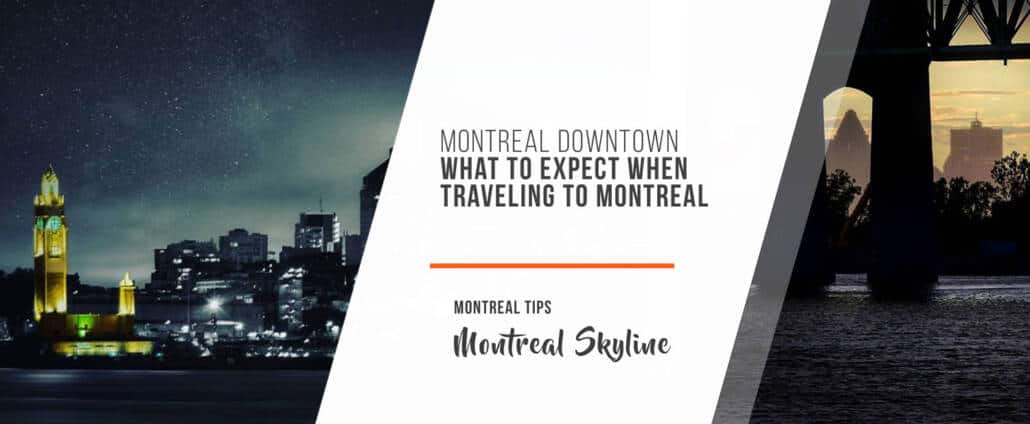
Montreal Downtown is the bilingual, cosmopolitan heart of Quebec — equal parts North American skyscrapers and European street life. This is the complete 2026 guide to what to expect, what to do, where to eat, and how to get around if you’re visiting Montreal for the first time.
What to Expect
- Bilingual everything: French is official, but downtown is fluently bilingual. Try “bonjour” — it’s appreciated.
- Walkable scale: Most attractions downtown are within a 30-minute walk of each other.
- Compact metro: 4 lines, simple, clean, and one of the most reliable in North America.
- The Underground City (RÉSO): 33 km of underground tunnels connecting metro, malls, hotels, and offices. A lifesaver in winter.
- Weather extremes: Summer 25–30°C, winter -15°C and snowy. Pack accordingly.
Top 10 Things to Do Downtown
- Mount Royal & Belvédère Kondiaronk — the iconic skyline view.
- Notre-Dame Basilica — stunning interior, small admission fee.
- Old Montreal — cobblestones, Bonsecours Market, Place Jacques-Cartier.
- Old Port — boardwalk, Clock Tower, summer fireworks.
- Underground City (RÉSO) — walkable in winter, links Eaton Centre, Place Ville Marie, Place des Arts.
- Plateau-Mont-Royal — staircases, murals, Schwartz’s deli, Saint-Louis Square.
- Mile End — bagels (St-Viateur or Fairmount), coffee, street art.
- Jean-Talon Market — Quebec’s largest public market.
- Botanical Garden + Olympic Stadium — easy half-day from downtown.
- Parc Jean-Drapeau / La Ronde — La Ronde is the Six Flags amusement park in the summer.
Where to Stay (Downtown Neighbourhoods)
- Downtown (Centre-Ville): Hotels near Place des Arts and Sainte-Catherine — best for first-time visitors.
- Old Montreal: Boutique hotels in historic buildings, more atmospheric.
- Plateau: Airbnbs and inns — best for local feel and food scene.
- Mile End: Hip neighbourhood, fewer hotels, great cafés.
Where to Eat (Iconic Downtown / Nearby)
- Schwartz’s Deli — smoked meat sandwich, Plateau.
- St-Viateur Bagel — wood-fired bagels, Mile End.
- Joe Beef — modern Quebecois, Little Burgundy.
- Au Pied de Cochon — over-the-top French Canadian, Plateau.
- Olive et Gourmando — café and brunch, Old Montreal.
Getting Around
- STM Metro + Bus: Day passes ~$11. The OPUS card is a tap card.
- BIXI bike share: Best way to see the city in summer.
- Walking: Downtown is compact; walk between most attractions.
- Taxi / Uber / Lyft: Plentiful, regulated.
- From the airport (YUL): 747 Express bus to downtown, 24/7, ~$11.
Best Time to Visit
- May–early June: Mild, blooming, fewer crowds.
- July–August: Festival season — Jazz Fest, Just for Laughs, Osheaga, fireworks. Peak everything.
- Late September–October: Crisp air, fall colours.
- December–January: Snowy and magical for first-time winter visitors; bring serious cold-weather gear.
What to Pack by Season
- Summer: Light layers, sunscreen, water bottle, walking shoes.
- Fall: Light coat, scarf, layers.
- Winter: -20°C-rated parka, insulated boots, thermal layers, hat, gloves, balaclava. Take this seriously.
FAQ: Visiting Montreal Downtown
Do I need to speak French?
No — downtown is fluently bilingual. A simple “bonjour” goes a long way.
How long should I stay?
3 to 5 days covers downtown, Old Montreal, Plateau, Mile End, and a day trip.
Is it safe?
One of the safest big cities in North America. Normal urban precautions apply.



 Photo by daniel baylis on Unsplash