Tag Archive for: montreal

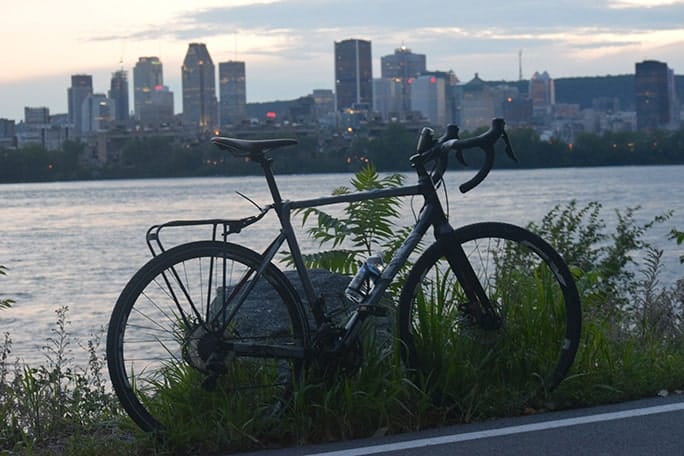
A bike parked infront of the city of Montreal

Montreal is a top-tier cycling city, with over 800 km of bike paths connecting the island, the South Shore, the canals, and the Saint Lawrence Seaway. This guide covers the best 87 km loop combining the Lachine Canal, the Saint Lawrence, and the canals in the Sud-Ouest — one of the most scenic continuous rides in Canada, plus shorter day-ride options.

The Iconic 87 KM Loop

Start at the Old Port and ride west along the Lachine Canal Path to Lachine (15 km). Cross to the south shore via the Estacade or Pont Champlain bike lane, follow the Saint Lawrence Seaway path to Brossard and back east, cross via the Jacques-Cartier Bridge to the Old Port. ~5 hours at relaxed pace with stops.

Best Sections If You Don’t Have All Day

  • Lachine Canal Path (14 km one-way): Flat, paved, traffic-free. Most scenic in Montreal. Start at the Old Port.
  • Old Port to Île Sainte-Hélène (8 km): Cross the Jacques-Cartier Bridge for skyline views.
  • Parc Jean-Drapeau loop (10 km): Around both islands, F1 circuit, Biosphere, river views.
  • Voie Maritime South Shore (Longueuil to Brossard, ~20 km): Riverside, panoramic skyline.
  • Mountain Loop: Mount Royal + the Plateau (10 km, hilly).

Practical Information

  • BIXI bike share: 700+ stations across Montreal + South Shore. Use a day or 3-day pass.
  • Own bike: All metro lines allow bikes outside peak hours (after 7 PM weekdays, all day weekends).
  • Best season: May to October. The path is plowed only on the most popular sections in winter.
  • Rentals: Multiple shops at the Old Port and along the canal.

What to Bring

  • Helmet (required by city by-law for under-18s, recommended for all)
  • Water — 1 L per hour in summer
  • Sunscreen and a hat
  • Light layers (wind off the river)
  • Mini pump and patch kit if on your own bike
  • Lock for stops

FAQ: Cycling Montreal

Is the Lachine Canal Path family-friendly?
Yes — flat, paved, traffic-free.

Can I bring my bike on the metro?
Yes, outside peak hours and only in the first car.

Are BIXI bikes good for long rides?
For up to 20–30 km, yes. For the full 87 km loop, rent a road or hybrid bike.

More Cycling Guides

naturopath montreal

Naturopathy combines herbal medicine, nutrition, lifestyle counselling, and various holistic therapies to treat the whole person rather than isolated symptoms. Montreal has a strong naturopathy scene with dozens of certified practitioners. This 2026 guide rounds up the top naturopath clinics in Montreal, what they specialize in, and what to look for when choosing one.

Is Naturopathy Regulated in Quebec?

Unlike Ontario and British Columbia, naturopathy is not currently a regulated health profession in Quebec. That means anyone can call themselves a naturopath. To find a qualified practitioner, look for membership in a recognized professional association:

  • Association des naturopathes professionnels du Québec (ANPQ)
  • Quebec Association of Naturopathic Medicine (QANM)
  • Canadian College of Naturopathic Medicine (CCNM) graduates — these are licensed naturopathic doctors (ND) trained in regulated provinces

Top Naturopath Clinics in Montreal

1. Lifestyle Naturopathy (Queen Elizabeth Health Complex)

Dr. Nicole Reilkoff, ND — Licensed naturopath and reflexologist offering bilingual services. Based in the QEHC in NDG. Strong focus on women’s health and chronic conditions.

2. Health On Greene (Westmount)

Dr. Kim Corbett, ND — CCNM-trained doctor with special interest in gastrointestinal issues (IBS, SIBO, leaky gut), food intolerances, and women’s health. Located at 1310 Greene Ave, Westmount.

3. Centre De Solution Santé

Members of the Association des naturopathes professionnels du Québec. Services include naturopathy, osteopathy, iridology, holistic nutrition, menu planning, detoxification programs, lymphatic drainage, and massotherapy.

4. Centre de Santé Serona

Top-rated naturopathic clinic in Montreal offering individualized treatment plans, supplement-based protocols, and lifestyle coaching.

5. Clinique PV

Multi-disciplinary clinic offering naturopathy alongside osteopathy and other complementary therapies. Convenient downtown location.

6. Club Hippocrate

Naturopathy paired with natural-medicine treatments including raw-food nutrition coaching and detox programs.

7. Kadeja Lefebvre, BSc., ND

20+ years of experience, Diploma of Doctor of Naturopathic Medicine from CCNM. Private practice in Montreal.

What to Look For in a Naturopath

  • Education: CCNM, Boucher Institute, or accredited European/American naturopathic college
  • Membership in a recognized professional association (ANPQ, QANM)
  • Insurance coverage: Some private insurance plans cover ND visits — check before booking
  • Clear scope of practice: A good naturopath knows when to refer you to an MD, not replace them
  • No “miracle cures”: Avoid practitioners promising to cure cancer, autoimmune disease, or serious conditions with supplements alone
  • Initial consultation: Usually 60–90 minutes; cost varies $120–200

What Naturopaths Commonly Help With

  • Digestive issues (IBS, SIBO, food intolerances)
  • Hormonal imbalances and women’s health
  • Stress, sleep, and adrenal support
  • Skin conditions (acne, eczema)
  • Energy and fatigue
  • Allergy and immune support
  • Lifestyle and nutrition coaching

When to See an MD Instead

Naturopathy complements but doesn’t replace conventional medicine. See your family doctor or specialist first for:

  • Acute conditions (chest pain, severe injury, infections)
  • Cancer, heart disease, autoimmune diagnosis
  • Mental health crises
  • Pregnancy and obstetric care
  • Anything where time-sensitive intervention matters

Costs and Insurance

Naturopath visits in Montreal typically cost $120–200 per initial consultation and $80–130 for follow-ups. Lab tests, supplements, and herbal remedies are extra. Some private insurance plans (Sun Life, Manulife, Desjardins, Croix Bleue) cover ND visits — check your policy.

More Montreal Wellness Resources

st bruno quebec map

Mont Saint-Bruno National Park is the closest SÉPAQ national park to Montreal — just 25 minutes by car from downtown on the South Shore. It’s a small mountain with five lakes, 27 km of trails, and a historic old mill, making it ideal for families, joggers, and anyone wanting a real nature break without driving an hour. Here’s the complete 2026 guide.

Why Mont Saint-Bruno

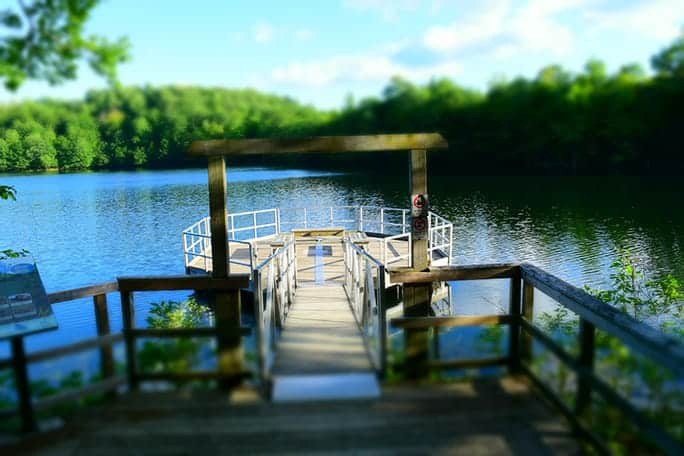
It’s flat enough for beginners (the summit is only 218 m), well-marked, and the trail network connects five small lakes — Lac Seigneurial, Lac des Bouleaux, Lac à la Tortue, Lac du Moulin, and Lac des Atocas. The historic 17th-century watermill at Lac du Moulin is a beautiful focal point. It’s the most family-friendly SÉPAQ park near Montreal.

How to Get There

  • By car: Highway 30 East from Montreal, exit 121 (Boulevard Clairevue). Park entrance is well signed. 25–30 minutes from downtown.
  • Public transit: Metro Longueuil + RTL bus 91 toward Boucherville-Sud or rideshare to the entrance.
  • Parking: Pay parking at the entrance (~$10 day pass included with SÉPAQ access fee).

Top Trails

  • Tour du Lac Seigneurial (3 km): Flat loop around the main lake. Stroller-accessible.
  • Le Grand Tour (9 km): Connects all 5 lakes — the classic visit.
  • Vieux Moulin (5 km): Out-and-back to the historic mill.
  • Sommet (7 km): Loop to the summit with good views.

Activities Beyond Hiking

  • Apple picking at Verger du Vieux-Moulin inside the park in September–October.
  • Cross-country skiing on 28 km of groomed trails in winter.
  • Snowshoeing on dedicated trails in winter.
  • Cycling on a few paths inside the park.
  • Birdwatching around the lakes — herons, ducks, woodpeckers.

Practical Information

  • Entry fee: ~$9.55 adult (2026), free for kids under 17. Annual SÉPAQ pass covers all Quebec national parks.
  • Hours: 8 AM–dusk year-round.
  • Facilities: Welcome centre, washrooms, picnic tables, equipment rentals (snowshoes, ski).
  • Dogs: Allowed on leash on most trails (not on the apple-picking sections).

Best Season to Visit

  • September–October: Fall colours, apple picking — the busiest and most rewarding time.
  • Late spring: Wildflowers, returning birds, quiet trails.
  • Winter: One of the best easy cross-country skiing spots near Montreal.

What to Combine with Your Visit

  • Boucherville and Promenades Saint-Bruno mall for a post-hike meal.
  • Parc national des Îles-de-Boucherville — sister park, 15 min north, paddling + biking.
  • South Shore bike paths connecting to Longueuil.

More Hiking & Parks Near Montreal

Montreal Night Photography

Montreal is one of the most photogenic cities in North America — old stone in the Vieux-Port, brutalist architecture at Habitat 67, dramatic river crossings, four wildly different seasons, and a downtown skyline framed by a mountain. Whether you’re a phone photographer chasing Instagram shots, a hobbyist with a mirrorless, or a pro hunting for new angles, this guide lists the 20 best photography locations in Montreal with the best time of day, gear suggestions, and how to get there.

Skyline & Cityscape Locations

1. Belvédère Kondiaronk (Mount Royal Chalet)

The iconic Montreal skyline shot. Faces south-east — golden hour lands directly on the downtown towers. Best at sunset and blue hour. Wide-angle 16–24mm.

2. Parc Jean-Drapeau (Saint Helen’s Island)

Across the river from downtown with the Biosphere in the foreground. Walk west from Jean-Drapeau metro. Sunset on a calm evening gives perfect water reflections.

3. Parc de la Voie Maritime, Longueuil

Underrated South Shore spot for a full skyline silhouette at sunset. Free, accessible by metro + bike. Bring a 24–70mm lens for variety.

4. Sommet Westmount

Quieter alternative to Mount Royal with a west-end perspective. Best at golden hour for the way light hits the residential towers.

Brutalist & Architectural Locations

5. Habitat 67 from Cité-du-Havre

The walkway facing Habitat 67 puts the brutalist housing complex in your foreground with downtown lighting up behind. Tripod recommended for blue hour.

6. Olympic Stadium (Parc Olympique)

The leaning tower is hard to frame from below — use a wide-angle from the plaza. Best in late afternoon for shadow definition.

7. Place Ville-Marie Observation Deck

360-degree views, including the cross on Mount Royal. Best at sunset, but check Au Sommet PVM opening times.

8. Palais des Congrès Rainbow Windows

The famous coloured-glass facade in the international district creates striking light patterns inside on sunny days. Bright midday is actually best for this one.

Old Montreal & Vieux-Port

9. Rue Saint-Paul (cobblestones)

The narrow cobblestone street with horse-drawn carriages. Best in early morning (no tourists) or after a rain when stones reflect light.

10. Notre-Dame Basilica (interior + exterior)

Interior shots allowed for a small fee. Wide lens (14–24mm) for the deep blue ceiling. Outside, shoot from Place d’Armes for the full facade.

11. Clock Tower (Tour de l’Horloge)

Climb to the top for a 360 of the Old Port and river. The base also works for sunset shots with sailboats.

12. Bonsecours Market dome

The silver dome looks great from the river or framed at the end of Rue Bonsecours.

Bridges & River

13. Jacques-Cartier Bridge

Lights up at night with seasonal colours. Best shot from Cité-du-Havre or from Parc Jean-Drapeau looking north.

14. Samuel-De Champlain Bridge (pedestrian path)

Walk westward on the path for downtown framed by suspension cables. Sturdy phone grip recommended — it can be windy.

15. Pont de la Concorde to Habitat 67

A short pedestrian crossing with the Old Port behind you and Habitat ahead — ideal for symmetrical wide shots.

Nature, Parks & Seasons

16. Mount Royal (the cross & summit forest)

The iron cross at the summit looks dramatic against night sky. In fall, the forest paths around the lookout are peak foliage in mid-October.

17. Botanical Garden (year-round)

Cherry blossoms in May, the Chinese and Japanese gardens in summer, the famous Gardens of Light in fall, and the greenhouses in winter. A full-day photography location.

18. Lachine Canal at Atwater Market

Water reflections of the city, especially in early morning. Walk the canal east toward the Old Port.

19. Square Saint-Louis

The Victorian row houses in the Plateau — best in spring blossoms or first snow.

20. Mile End street art & murals

The Mural Festival murals along Boulevard Saint-Laurent and side streets are constantly refreshed. Always Instagram gold.

Photography Tips for Montreal

  • Best months overall: September and October (clean air, sharp light, fall colours) and February (snow + cobalt sky).
  • Golden hour shifts dramatically: 8:45 PM in late June, 4:30 PM in late December. Use PhotoPills or the Sun Surveyor app.
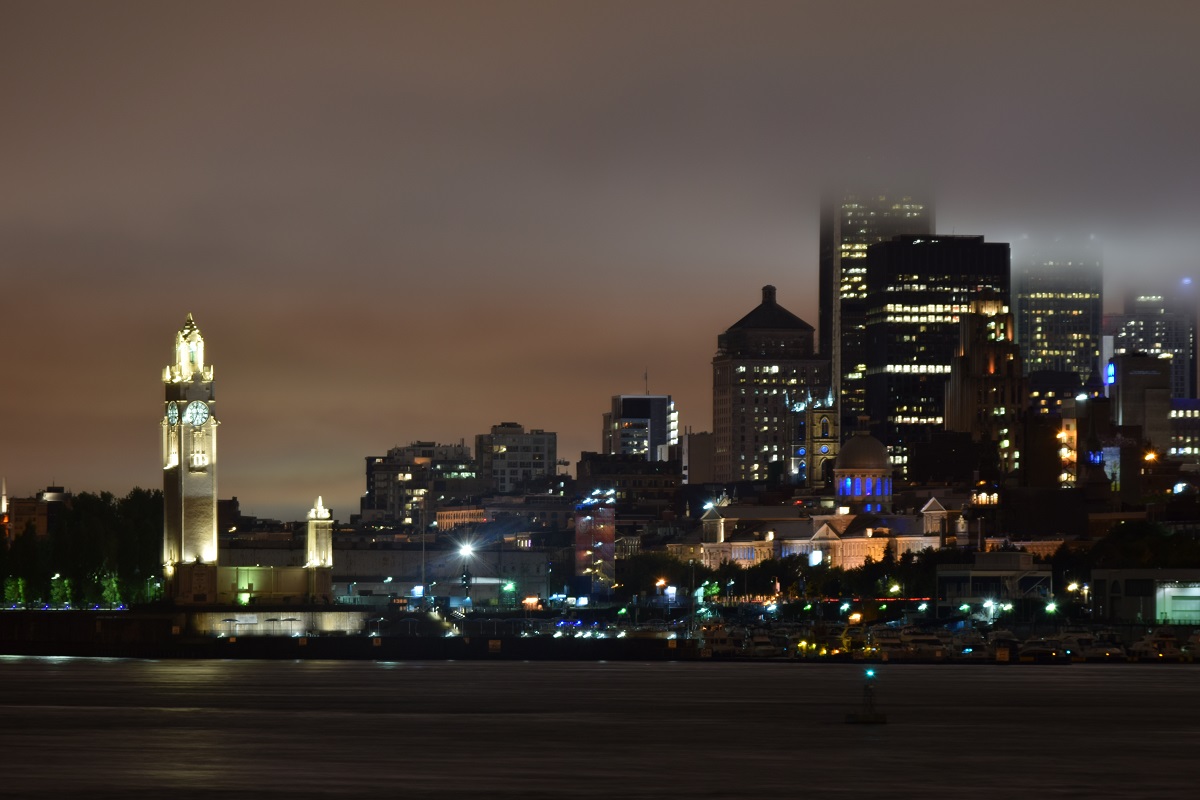
  • Don’t skip blue hour — the 20 minutes after sunset are when the city looks its best with lights on against the still-blue sky.
  • Winter gear: bring extra batteries (cold drains them fast), and a microfiber cloth for breath fog.
  • Drone rules: drone flying is heavily restricted in Montreal — most central areas require Transport Canada authorization. Don’t fly without permits.

Black & White, Night, and Miniature Photo Ideas

Montreal’s mix of stone architecture and high-contrast lighting is ideal for black-and-white photography — especially Old Montreal, the metro stations, and any bridge silhouette. For night photography, the best vantage points are Mount Royal, Cité-du-Havre, and the pedestrian section of the Champlain Bridge. For miniature/tilt-shift effects, shoot the downtown skyline from any elevated lookout (Mount Royal, Sommet Westmount, Olympic Tower) and apply a tilt-shift filter — the dense cluster of towers and the river framing make a perfect “toy city” composition.

Best Routes for a Photo Walk

  • Half-day Old Montreal walk: Notre-Dame Basilica → Place d’Armes → Rue Saint-Paul → Bonsecours Market → Clock Tower → Jacques-Cartier Pier
  • Half-day skyline + brutalism: Parc Jean-Drapeau (Biosphere) → Cité-du-Havre walkway → Habitat 67 → Old Port
  • Full-day photo tour: Mount Royal sunrise → Plateau (Square Saint-Louis, murals) → Lachine Canal → Habitat 67 sunset → Old Port blue hour

Montreal Photography Gallery

A collection of Montreal photographs across seasons and styles — skyline, brutalist, black & white, night, and miniature effects.

More Montreal Photo & Visual Guides

Parc-agricole du Bois-de-la-Roche

Parc-agricole du Bois-de-la-Roche sits at the western tip of Montreal Island in Senneville, blending a working heritage farm with peaceful walking trails through fields and forest. It is one of the most underrated parks in the Réseau des Grands Parcs network — calm, wildlife-rich, and ideal for an afternoon stroll that resets your head. If you live in Montreal and have never been, this is the easiest “escape the city without leaving it” day you can plan.

What Makes It Unique

Unlike most Montreal parks, Bois-de-la-Roche is built around a still-operating agricultural site with red wooden barns, grazing fields, and centuries-old stone walls. You walk past horses, sheep, and seasonal crops while moving through forest trails — a combination you simply do not get anywhere else on the island. It’s a favourite of photographers, families, and dog walkers, and never feels crowded.

How to Get There from Montreal

  • By car: Highway 40 West to the very end at Senneville. Park entrance is on Chemin Senneville. About 35 to 40 minutes from downtown.
  • Public transit: Train (Exo Vaudreuil-Hudson line) to Beaurepaire or Baie-d’Urfé, then bus or rideshare. Roughly 1 hour 15 minutes door-to-door.
  • By bike: Connect to the West Island bike network; a long but scenic ride from downtown along Route Verte.

The Trails

The park offers several kilometres of easy, mostly flat trails:

  • The Main Loop: Around 3 km through the farm fields, barns, and a wooded section. Stroller-friendly.
  • Forest Trail: A shaded loop through mature oak and maple woods — perfect on a hot summer day.
  • Heritage Path: Passes the old stone walls and farm structures with interpretive signage.

Elevation is minimal. The trails are well marked and packed earth — no special hiking gear needed.

The Heritage Farm

The farm is still active. Depending on the season you may see:

  • Horses and sheep grazing in the fields
  • Seasonal crops (corn, hay, vegetables)
  • Historic red barns and farm buildings
  • The original farmhouse (not always open to the public)

Children love the farm-animal sightings, but petting and feeding are not allowed.

Wildlife and Landscape

Beyond farm animals, the park hosts:

  • White-tailed deer (often visible at dawn and dusk)
  • Red foxes and groundhogs in the meadows
  • Many bird species, including hawks and woodpeckers
  • Wildflower meadows in late spring and summer

Practical Information

  • Entry: Free entry to the park; parking is free.
  • Hours: Open daily, generally sunrise to sunset.
  • Facilities: Limited — picnic tables, drinking fountains in season, no on-site café. Bring everything you need.
  • Dogs: Allowed on leash on most trails; not in the active farm areas.
  • Accessibility: Main loop is mostly accessible to strollers and wheelchairs in dry conditions.

Best Season to Visit

  • Late spring (May–June): Lambs in the fields, wildflowers, mild weather.
  • Summer: Lush, but bring water — much of the trail is open and sunny.
  • Fall: The forested sections turn brilliant red and gold; one of the West Island’s best fall walks.
  • Winter: Snowshoeing and quiet walks; the farm fields look stunning in fresh snow.

What to Bring

  • Walking shoes (no real hiking gear required)
  • Water and snacks (no concessions on site)
  • Insect repellent in summer
  • Camera — the farm and old buildings are very photogenic
  • Layers in spring and fall

What to Combine with Your Visit

  • Bois-de-l’Île-Bizard Nature Park — 15 minutes east, more trails and a beach.
  • Morgan Arboretum — a private arboretum nearby with rare trees and quiet walks (small entry fee).
  • Senneville and Sainte-Anne-de-Bellevue — charming villages with cafés and waterfront restaurants for a post-walk meal.
  • Cap-Saint-Jacques Nature Park — another excellent West Island park 10 minutes away with a beach and forest trails.

FAQ: Parc-agricole du Bois-de-la-Roche

Is the park really free?
Yes — both entry and parking are free year-round.

Can children pet the farm animals?
No. The animals are part of a working farm. They can be observed but not touched.

How long should I plan to spend there?
Two to three hours for a comfortable visit including the main loop and the heritage farm area.

Are there restaurants on site?
No. Bring snacks or eat in Sainte-Anne-de-Bellevue or Senneville before or after.

Photos from Bois-de-la-Roche

Quiet trails, old red barns, and the wide open fields of one of the most peaceful corners of Montreal Island.

More Parks Near Montreal